
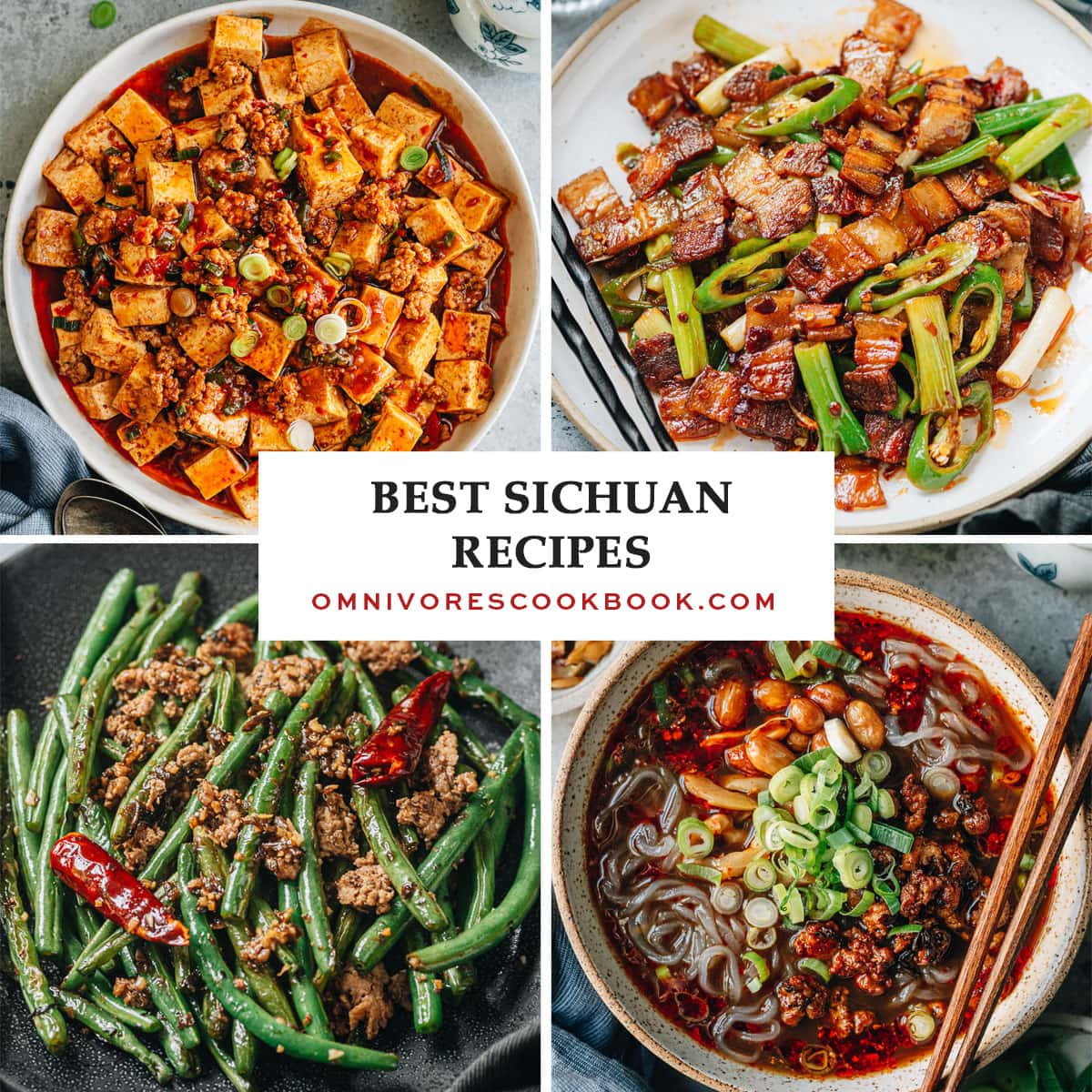
Why I Love Sichuan Recipes
Sichuan food is the cuisine that shaped how I think about flavor. Growing up in Beijing, Sichuan restaurants were everywhere, and my family went all the time. My mom loved ordering mapo tofu and suan cai yu for the table, and by the time I was in middle school, my friends and I would save up pocket money to eat at the Sichuan street stalls near school. That first bite of numbing, spicy, savory food hooked me for life. Even now, when I smell Sichuan peppercorns hitting hot oil, I am immediately back at those little plastic tables crowded with bowls of noodles and chili oil. Yum!
After I started Omnivore’s Cookbook, Sichuan dishes became some of the most requested recipes from readers. I understand why. The flavors are big, layered, and completely unlike anything else. The combination of ma (numbing) and la (spicy) is what makes this cuisine so addictive, but there is so much more to it than heat. There is the sweet and sour tang of yu xiang sauce, the fermented richness of doubanjiang, the bright pop of pickled mustard greens, and the warming comfort of a slow braised stew. My husband, who did not grow up eating Chinese food, now requests Sichuan dishes more than anything else for dinner.
I put together 20 of my favorite Sichuan recipes that cover the full range of this incredible cuisine. You will find quick weeknight stir fries, impressive dinner party dishes, cozy noodle soups, and even a cookie that will surprise you. Whether you are new to Sichuan cooking or already have a well stocked spice shelf, I hope this collection inspires you to bring these flavors into your own kitchen
20 Best Sichuan Recipes
Each of these 20 Sichuan recipes has been tested and loved in my kitchen. I organize them from classic main dishes to noodles, soups, appetizers, and one unexpected dessert.
Main Dishes
Authentic Mapo Tofu (麻婆豆腐)
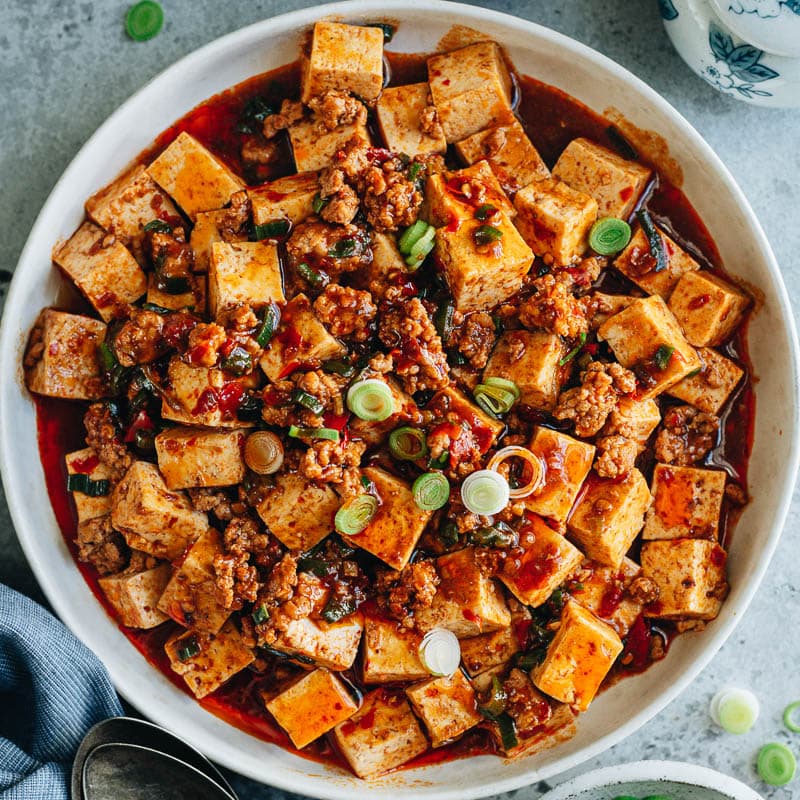
If I had to pick one Sichuan dish to cook for the rest of my life, it would be mapo tofu. This is the recipe I have been perfecting since I started this blog, and it is the version that tastes like what you get at a real Sichuan restaurant in China. The total time is 25 minutes, which makes it one of my most reliable weeknight dinners.
Three ingredients define this recipe. Doubanjiang (spicy fermented bean paste) is the foundation of the sauce and creates that deep, savory, slightly funky flavor that is impossible to replicate with anything else. Sichuan peppercorns add the mala numbing sensation that makes your lips tingle and keeps you reaching for more. A small amount of ground pork enriches the sauce with meaty depth.
I serve mapo tofu over steamed white rice because the sauce is rich and salty and you need that plain rice to balance everything out. My husband eats two bowls every time I make it. When we have friends over, I pair it with something lighter like dry fried green beans and a cold cucumber salad. If you want a meatless version, my Vegetarian Mapo Tofu uses dried shiitake mushrooms and fermented black bean sauce to build the same depth without any meat. This is the recipe that makes people fall in love with Sichuan food. You have to try it.
Sichuan Eggplant with Yu Xiang Sauce (鱼香茄子)
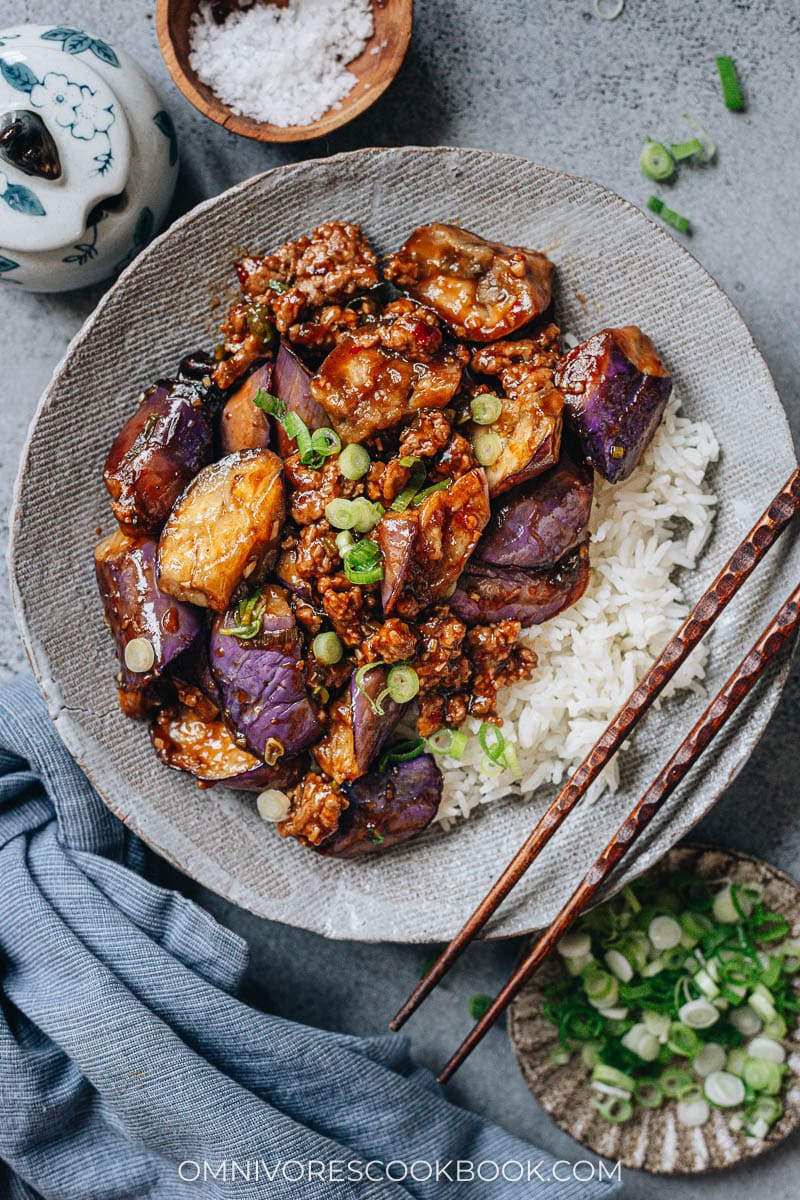
Yu xiang eggplant is one of the most underappreciated Sichuan dishes, and every time I cook it for someone new, they cannot believe how much flavor comes from a plate of eggplant. The name means “fish fragrant” but there is no fish in it at all. The total time is 30 minutes and it uses the same wok for everything.
The yu xiang sauce is what makes this dish unforgettable. Doubanjiang brings spicy, fermented depth that anchors the sauce. Chinkiang vinegar adds a dark, slightly smoky sourness that balances the heat. Sugar rounds everything into a sweet, sour, spicy harmony that coats each piece of silky eggplant.
Whenever I took foreign friends or colleagues to a Sichuan restaurant in Beijing, this dish was always one of the most popular on the table. I love eating it over a big bowl of steamed rice so the sauce soaks into every grain. My bestie does not even realize he is eating eggplant when I make this, which I count as a win. Seriously, do not skip this one.
La Zi Ji (Sichuan Mala Chicken, 辣子鸡)
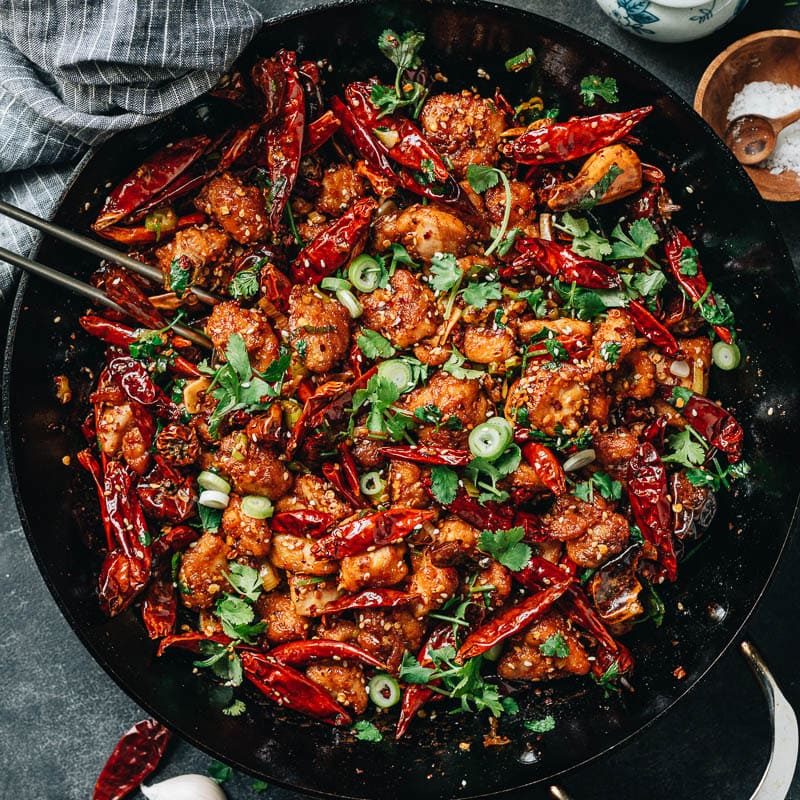
La zi ji is the dish that scared every single one of my foreign colleagues in Beijing and then won them all over by the end of the meal. During my years working there, I took everyone to my favorite Sichuan restaurant, Yu Xiang Ren Jia, and secretly loved watching their stunned faces when a giant plate of chili peppers was set before them. The chicken pieces are golden and crispy, buried under that mountain of peppers. It looks intimidating, but it is not as spicy as you think.
Three ingredients make this dish what it is. Dried Sichuan chili peppers (facing heaven chilies) bring a smoky heat that flavors the oil without overwhelming the chicken. Sichuan peppercorns create that signature numbing tingle that makes every bite interesting. Boneless chicken thighs, marinated with soy sauce and Shaoxing wine, fry up crispy on the outside and juicy inside.
I serve la zi ji as the centerpiece of a Sichuan dinner spread, usually with steamed rice, a cold salad, and maybe a bowl of suan la fen. My husband likes to dig through the peppers to find the chicken pieces, which he calls a treasure hunt. If you want to impress someone with real Sichuan cooking, this is the dish to make.
Twice Cooked Pork (回锅肉)
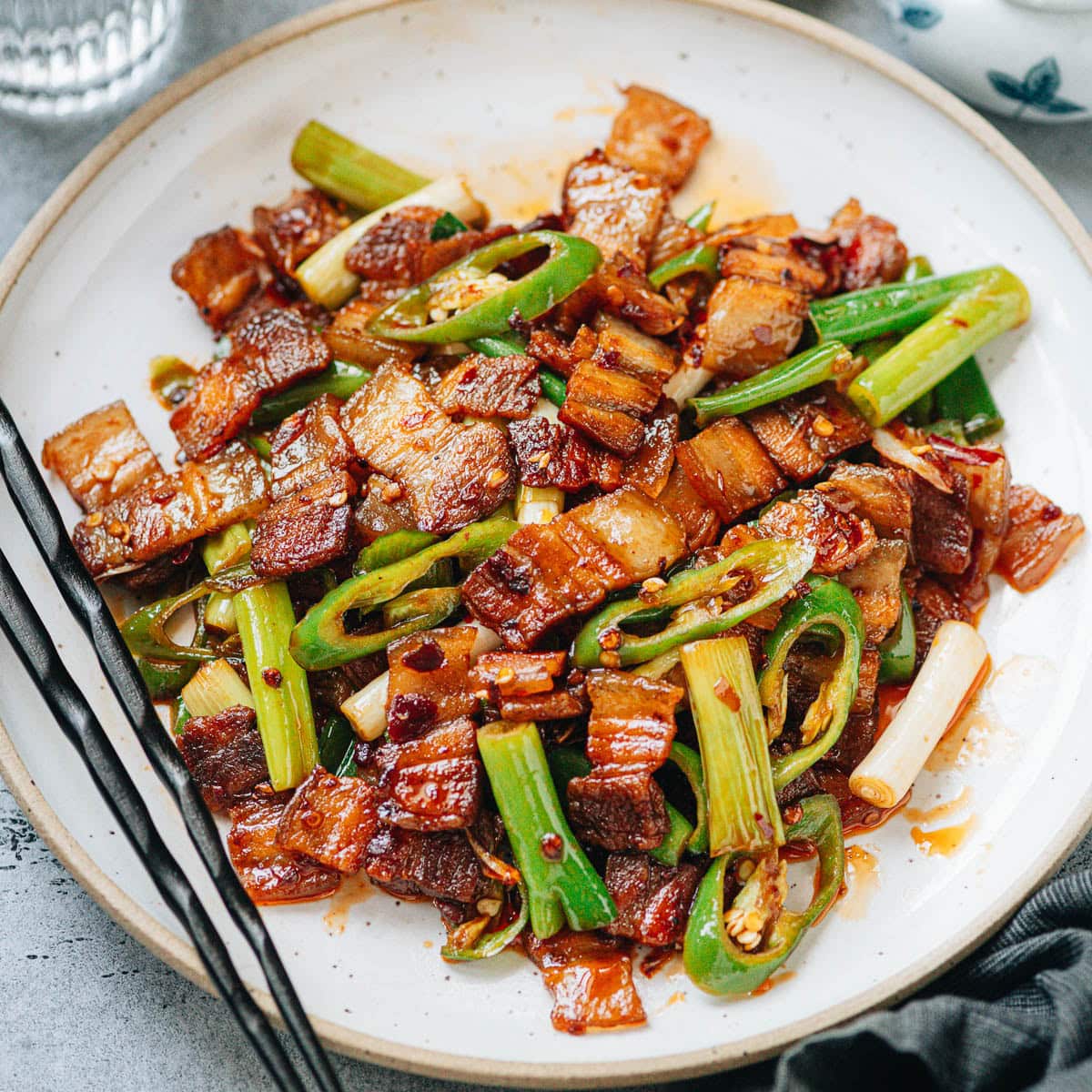
Twice cooked pork represents everything I love about Sichuan cooking: thoughtful technique, bold yet balanced flavors, and incredible depth from just a handful of ingredients. The pork belly is simmered first, then sliced thin and returned to the wok where it gets seared until the edges curl and crisp. The two step method creates a texture that is rich but not greasy.
Doubanjiang is the backbone of the dish and the ingredient that defines its character. When it hits the rendered pork fat in the hot wok, it blooms into a savory, spicy red oil that coats every slice. Sichuan peppercorns add a subtle numbing warmth to the oil. Long green hot peppers and scallions bring color, crunch, and freshness that balance the richness of the pork.
I serve twice cooked pork over steamed rice and let the sauce absorb into every grain. It pairs well with a lighter side like a cold cucumber salad or pickled cabbage. This is a dish that every Sichuan home cook knows by heart, and once you make it, you will understand why.
Shredded Pork with Garlic Sauce (鱼香肉丝, Yu Xiang Rou Si)
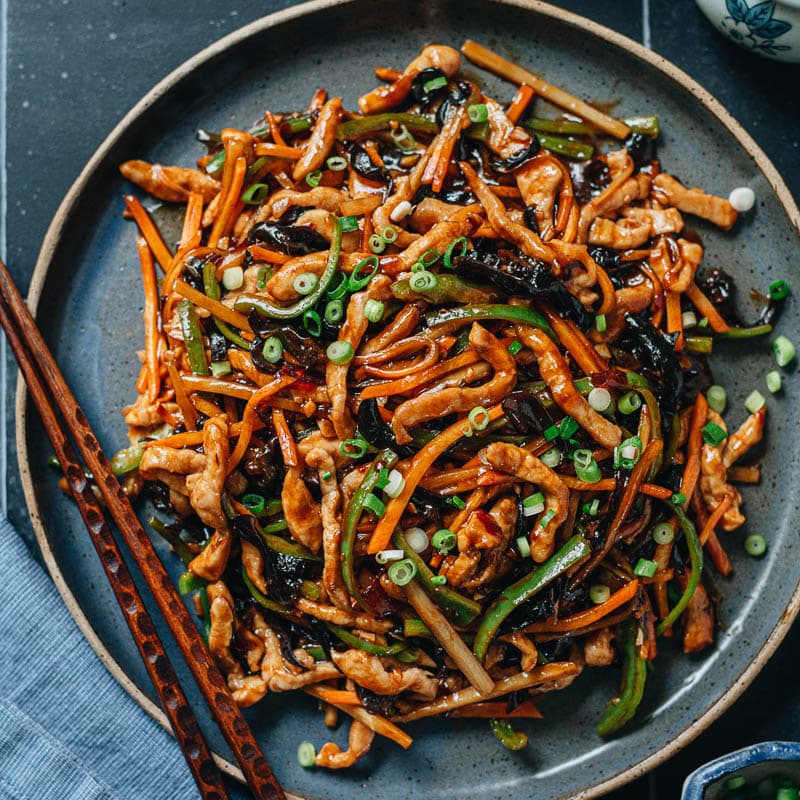
The English name does not do this dish justice. Yu xiang rou si uses the same “fish fragrant” flavor profile as yu xiang eggplant, but with thin strips of pork, bamboo shoots, wood ear mushrooms, and carrots all tossed in a sweet, sour, spicy sauce. It is one of the most classic Sichuan dishes and something every Chinese home cook learns to make. Total time is 40 minutes, with most of that being the slicing and prep.
Doubanjiang creates the spicy, fermented base of the sauce. Chinkiang vinegar and sugar balance it into that signature yu xiang sweet and sour harmony. Wood ear mushrooms add a soft yet crunchy texture that contrasts great with the crisp carrots and tender pork strips.
I love this dish because every bite has so many different textures and flavors happening at once. I serve it over steamed rice for a quick weeknight dinner. It is also great as part of a larger Sichuan spread alongside mapo tofu and a cold dish.
Ma La Xiang Guo (Sichuan Mala Dry Pot, 麻辣香锅)
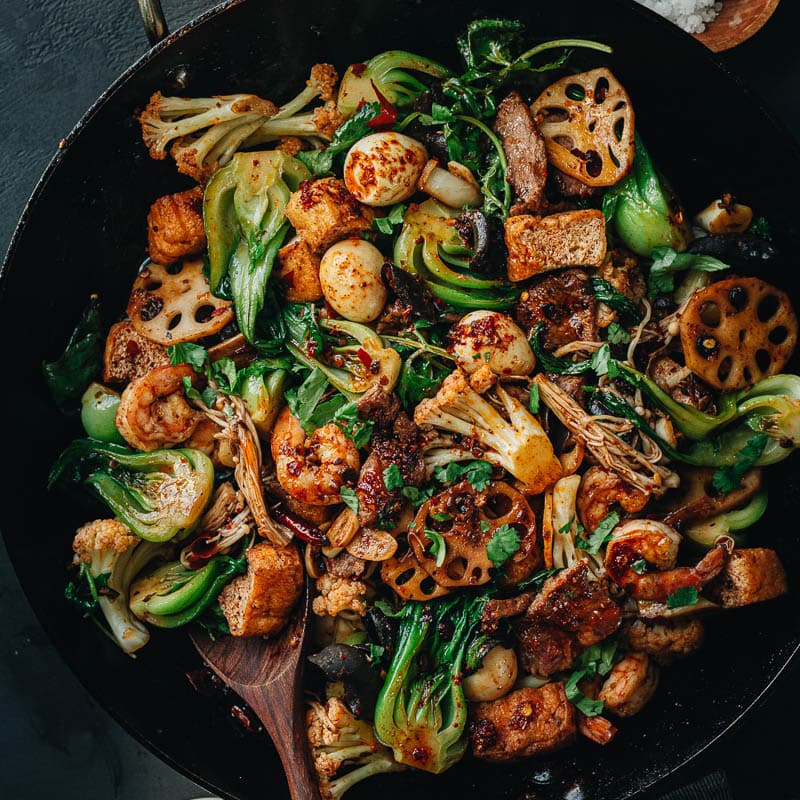
Ma la xiang guo translates to “numbing spicy fragrant pot,” and that is exactly what it delivers. Thousands of these restaurants started popping up all over China in the early 2000s, and it quickly became one of my favorite places to grab dinner and a beer with colleagues after work. You pick your own combination of vegetables, tofu, meat, and seafood, and everything gets stir fried together in a rich, savory, spicy sauce.
The sauce starts with a good hot pot base as the foundation. Doubanjiang adds fermented depth. Homemade black bean sauce brings a savory richness that rounds everything out. These three ingredients together create a complex sauce without needing 20 different seasonings.
I make ma la xiang guo when I have a mix of vegetables and proteins in the fridge that need to be used up. It is the ultimate fridge cleanout meal, but it tastes like a restaurant dish. I serve it in a big bowl in the center of the table with steamed rice, and everyone digs in family style. If you love hot pot but do not want to set up the whole production, this is your shortcut. So good!
Kung Pao Chicken (宫保鸡丁)
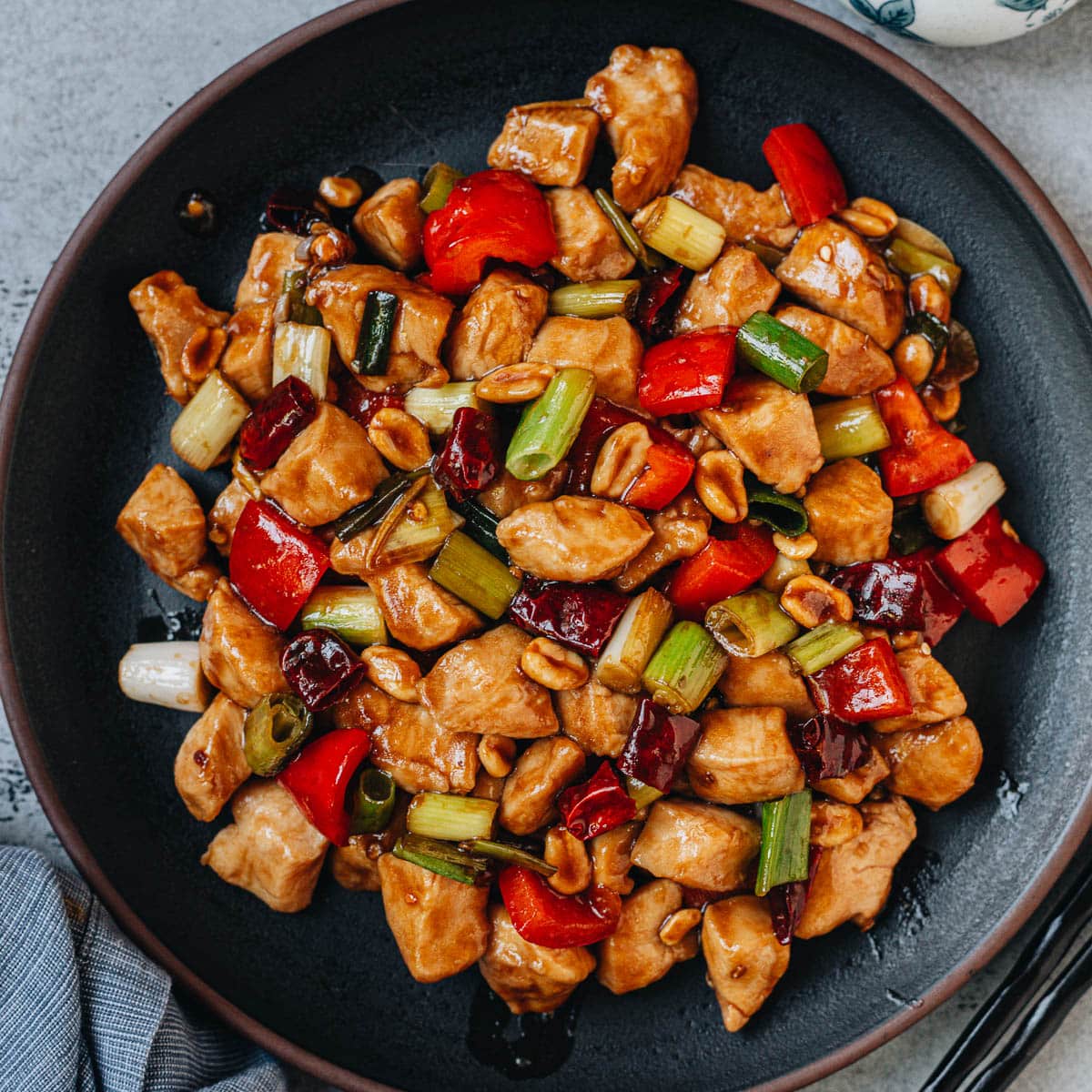
Kung pao chicken is probably the most famous Sichuan dish in the world, and for good reason. The balance of spicy, sweet, sour, and savory in every bite is what makes Sichuan cooking so incredible. I have been perfecting this recipe for years, and it comes together in 30 minutes from start to finish.
The dish relies on a few key players. Dried chili peppers are fried in hot oil to infuse the whole dish with smoky warmth. Sichuan peppercorns add that numbing tingle that sets this apart from any generic “spicy chicken” recipe. Roasted peanuts bring crunch and nuttiness that contrast the tender chicken in every bite.
I make kung pao chicken at least twice a month because my whole family loves it. I serve it over rice with a simple stir fried vegetable on the side. This is the kind of dish that is better than takeout, and once you make it at home you will not go back.
Sichuan Dry Fried Green Beans (干煸四季豆)
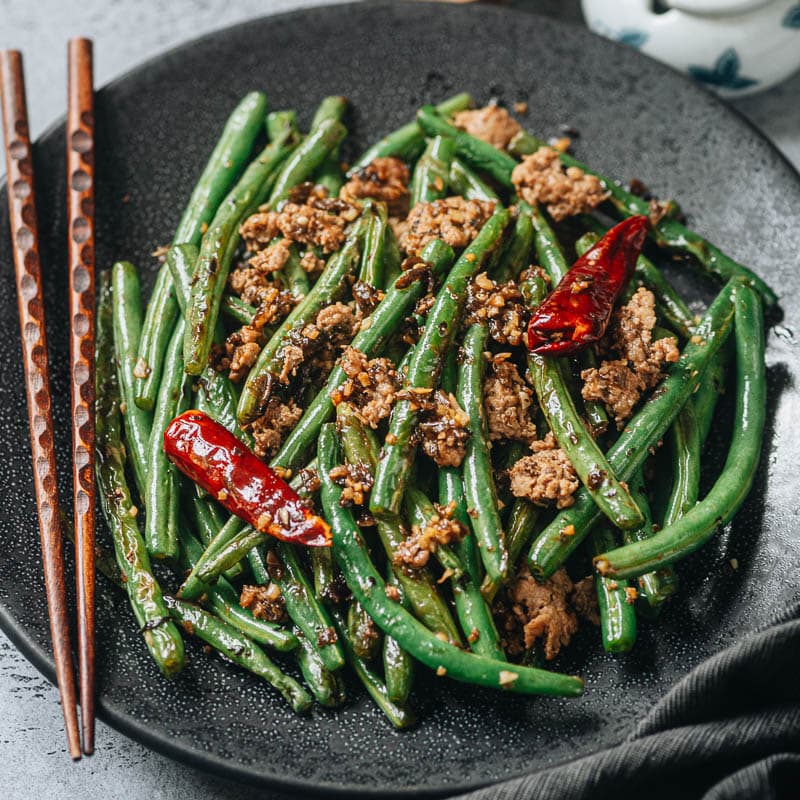
Dry fried green beans might be the side dish that steals the show every time I make a Sichuan dinner. The beans get blistered and slightly charred in the pan, then tossed with ground pork, pickled mustard greens, and Sichuan peppercorns. The texture is unlike any other green bean recipe you have tried.
The secret ingredient is sui mi ya cai (碎米芽菜), Sichuan preserved mustard greens that add a sweet, deeply fermented umami to the dish. Ground pork brings savory richness without making the dish heavy. A combination of dried chili peppers and Sichuan peppercorns gives the beans that classic mala warmth.
Whenever I took foreign colleagues to Sichuan restaurants in Beijing, this vegetable dish always won everyone over. I serve it alongside rice and a protein like la zi ji or mapo tofu. It also works fantastic as a Thanksgiving side dish if you want something different. So good!
Mapo Eggplant (麻婆茄子)
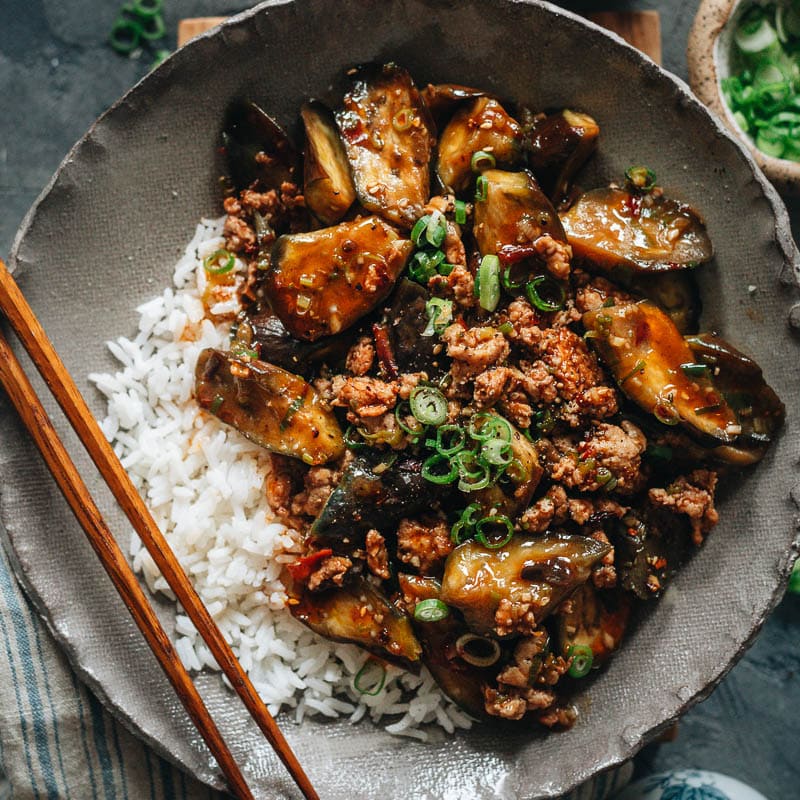
If you love mapo tofu, you are going to love what happens when you use that same sauce on eggplant. The tender eggplant soaks up the spicy, savory mapo sauce in a way that tofu simply cannot, and the result is a one bowl dinner that I come back to constantly.
Doubanjiang creates the spicy, fermented backbone of the sauce, exactly like in mapo tofu. Sichuan peppercorns add the numbing tingle that makes every bite exciting. Fresh garlic, ginger, and scallions round out the aromatics.
I serve mapo eggplant over steamed rice or tossed with noodles when I want something different. It is naturally vegetarian friendly, which makes it a great option when I am cooking for mixed groups. My son loves it because the eggplant gets so soft that it practically melts (I replace some doubanjiang with miso to make a less spicy version for him). Do not let the simple appearance fool you. This dish is packed with flavor.
Shui Zhu Yu (Sichuan Boiled Fish, 水煮鱼)
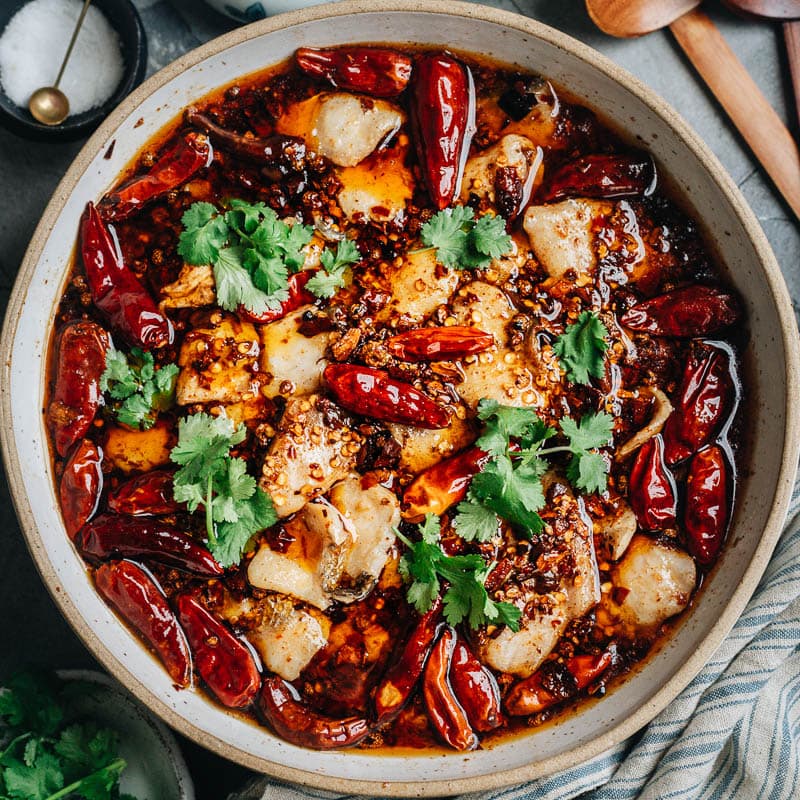
Shui zhu yu is one of the dishes I missed most after moving from China to the US. The name means “water boiled fish” but that does not describe this dish at all. Thin slices of fish are poached in a rich, fiery broth loaded with chili peppers, Sichuan peppercorns, and aromatics, then finished with sizzling hot oil poured right over the top.
I use fish fillets instead of a whole fish, which makes this recipe much more practical for a Western kitchen. Doubanjiang and dried chili peppers build the spicy savory broth. A bed of bean sprouts and celery sits under the fish and soaks up all that incredible sauce, making the vegetables just as good as the fish itself.
I make shui zhu yu when I want something that seems like a celebration. It is one of those dishes that always appeared at gatherings with friends in Beijing, like the time a friend came back from Japan and we ordered boiled fish, dan dan noodles, saliva chicken, and stir fried pea shoots, just two of us, and we finished it all. If you have not tried making Sichuan boiled fish at home, this recipe will show you it is absolutely doable.
SalivaChicken (口水鸡, Kou Shui Ji)
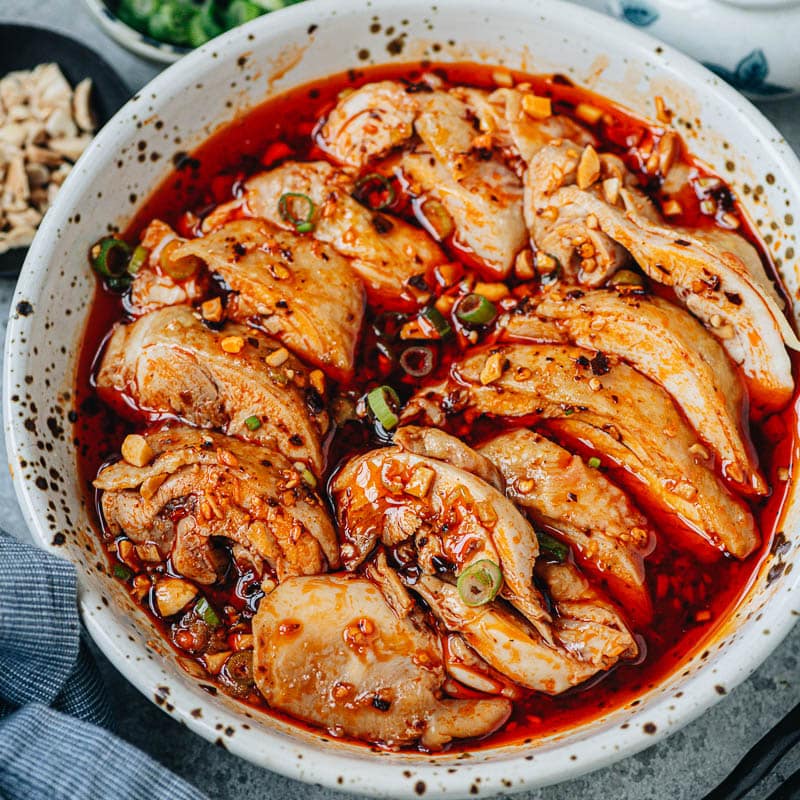
The name might sound unusual, but kou shui ji translates to “saliva chicken”, which also means “mouth watering chicken,” and that is exactly what it is. Poached chicken is chilled, sliced, and drenched in a spicy, numbing, savory sauce that wakes up every sense. It is a cold dish, which makes it perfect for hot weather cooking or making ahead. I make it in just 45 minutes plus chilling.
Homemade chili oil is the star of the sauce, providing the vibrant red color and fragrant heat. Sichuan peppercorns in the sauce bring that signature numbing tingle. Seasoned sweet soy sauce adds richness and a touch of sweetness that balances the spice.
I love making saliva chicken on weekends and keeping it in the fridge for easy lunches during the week. It is also one of my favorite appetizers when I have people over for a Sichuan dinner. Slice it, pour the sauce over, and set it on the table. Everyone fights over the last piece. So good!
Noodles and Soups
Dan Dan Noodles (担担面)
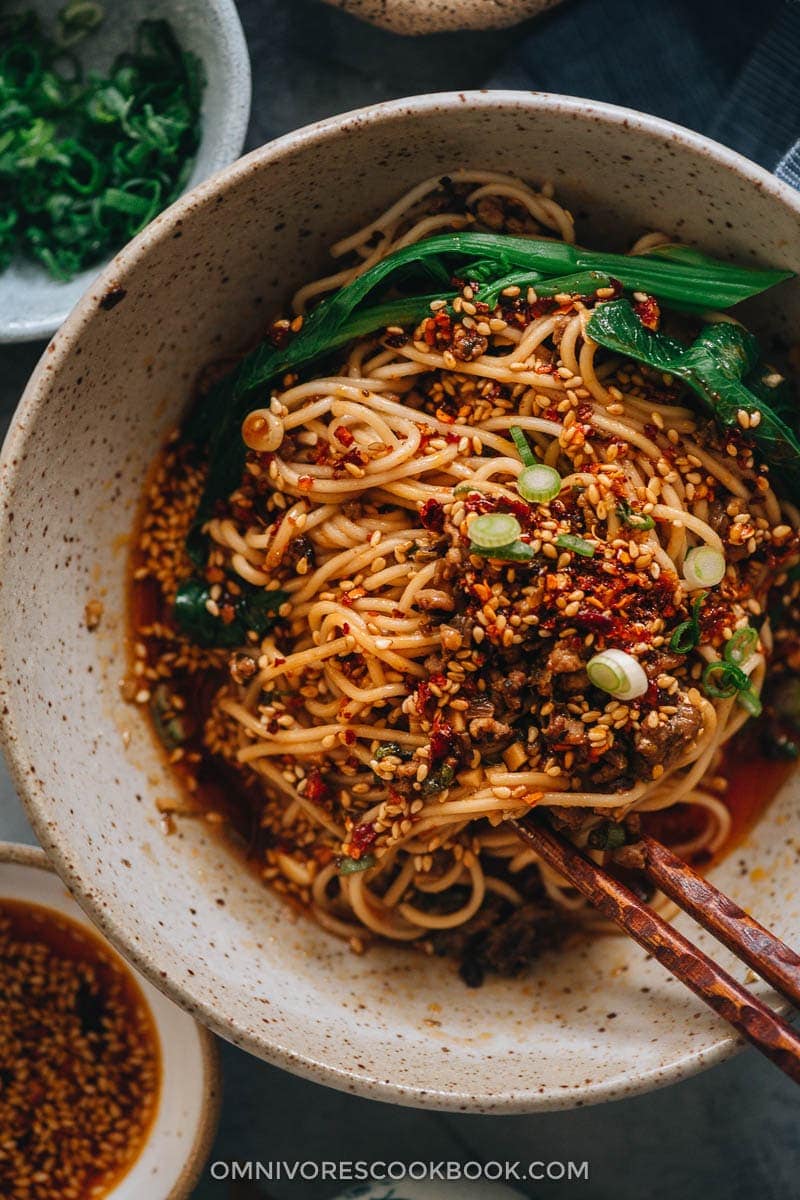
Dan dan noodles are one of the most famous Sichuan street foods, and this is the recipe I have been improving since 2014. It is the third version, and I am finally happy with it. The thin noodles are tossed in a rich, spicy, numbing sauce with crispy pork on top. It takes me about 60 minutes including the prep for the sauce and meat topping.
The sauce is everything. Homemade chili oil provides the smoky, fragrant heat that defines the dish. Chinese sesame paste adds creaminess and nuttiness that mellows the spice. Sui mi ya cai (Sichuan preserved mustard greens) in the crispy pork topping brings a sweet, fermented depth that ties everything together.
When I make dan dan noodles at home, I set out extra chili oil and let everyone adjust the heat to their liking. My husband goes light, I go heavy, and we are both happy. This was one of those dishes I used to eat after school in Beijing, and making it at home in New York always takes me right back. I hope it becomes one of your favorites too.
Suan La Fen (Hot and Sour Noodle Soup, 酸辣粉)
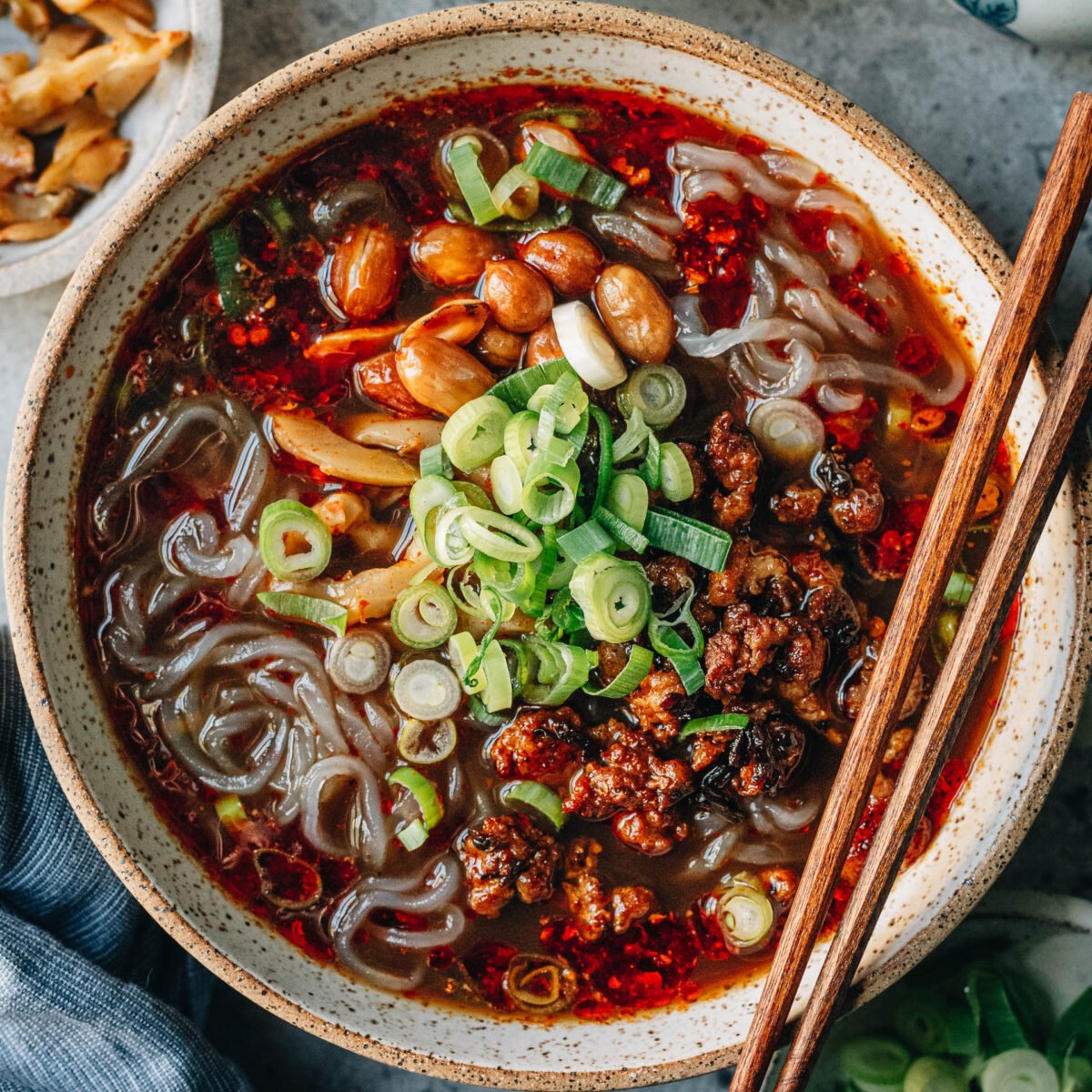
Suan la fen brings back one of my favorite childhood memories. In middle school, my friends and I would pool our pocket money and go to the street stalls near school to order bowls of this spicy, sour noodle soup. It was our little dare to see who could drink more soup without coughing. The thick sweet potato noodles are served in a hot and sour broth with ground pork and crispy fried soybeans.
The broth is built on three key flavors. Chinkiang vinegar creates the sharp sourness that makes this soup so refreshing even though it is spicy. Chili oil adds fragrant heat and gorgeous color. A savory broth base enriched with soy sauce ties everything together and gives the soup enough body to coat the slippery noodles.
I make 30-minute suan la fen on cold evenings when I need something that warms me from the inside out. The thick noodles have a chewy, almost bouncy texture that is so fun to eat. I set out extra vinegar and chili oil so everyone can customize their bowl. If you love noodle soups, this one is a must try.
Suan Cai Yu (酸菜鱼, Sichuan Fish with Pickled Mustard Greens)
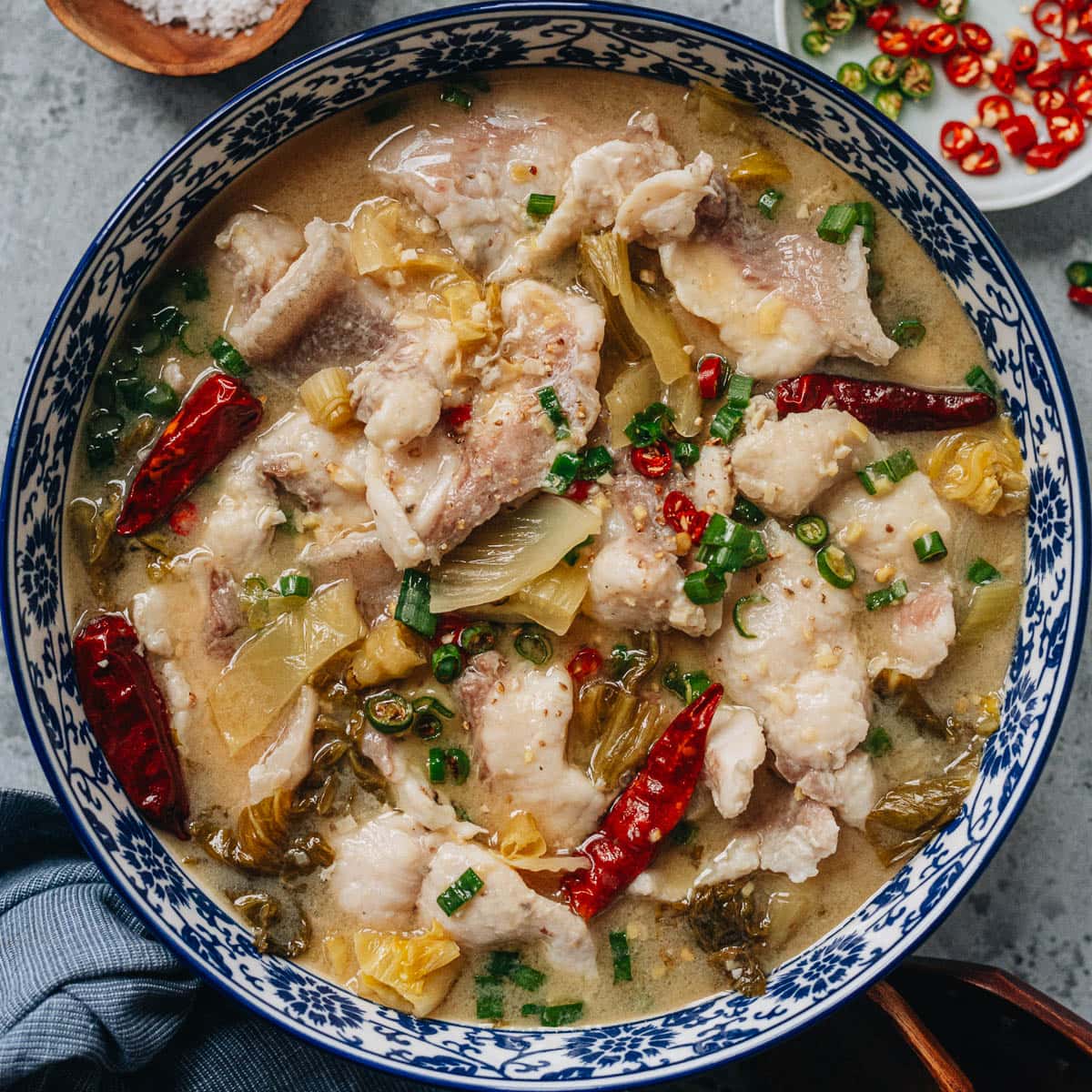
Suan cai yu is the Sichuan fish dish that often gets overshadowed by its famous sister, shui zhu yu, but I think it deserves just as much attention. Silky thin slices of fish are poached in a broth that gets its tangy, peppery flavor from pickled mustard greens and Sichuan peppercorns. Total time is 35 minutes and I use fish fillets instead of a whole fish for convenience.
Pickled mustard greens (suan cai) are the ingredient that makes this dish unique, adding a sour, salty tang to the broth that no other ingredient can replicate. Sichuan peppercorns bring numbing warmth that builds gradually with each spoonful. The fish is velveted with a light cornstarch coating so it stays silky and tender in the hot broth.
I make suan cai yu for Sunday dinners when I want something that looks like a restaurant dish but is totally doable at home. It is impressive looking in a big serving bowl at the center of the table. I pair it with steamed rice and a simple vegetable side. This was a favorite at gatherings with friends in Beijing, and now it is a favorite in my kitchen in New York.
Chongqing Noodles (重庆小面)
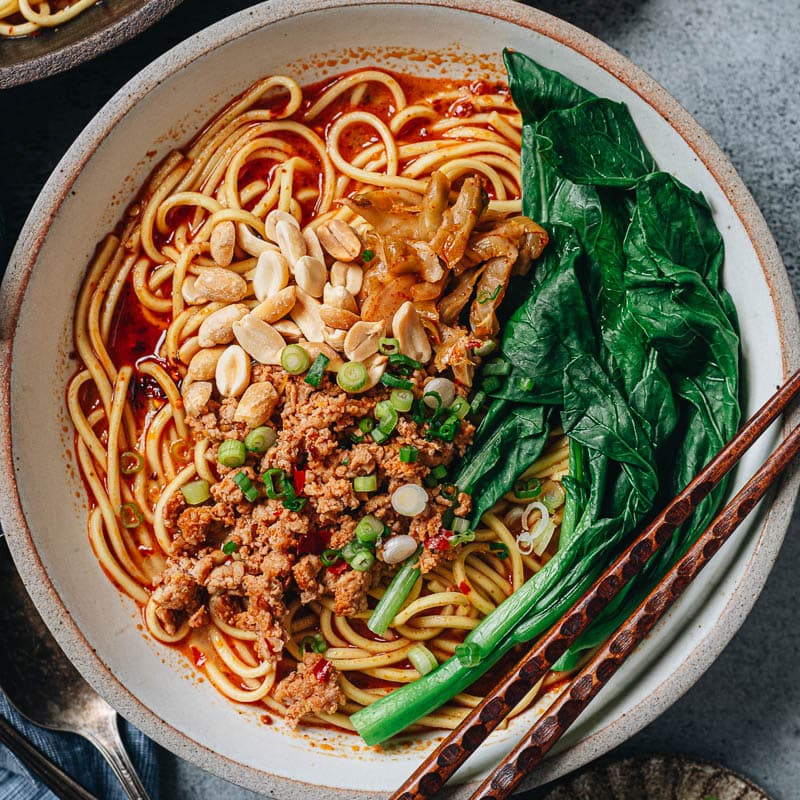
Chongqing small noodles, or xiao mian, is the breakfast that millions of people in Chongqing eat every single morning. The noodles are tossed in a fiery sauce loaded with chili oil, Sichuan peppercorn, and preserved vegetables. Total time is 30 minutes, which makes it one of the fastest Sichuan recipes in my collection.
The sauce is a powerhouse of flavor. Chili oil provides the signature red color and smoky heat. Sichuan peppercorn oil (or ground peppercorns) adds that tingly numbing sensation. Sui mi ya cai (preserved mustard greens) brings sweetness and umami that rounds out the spice.
I make Chongqing noodles when I want something fast but packed with flavor. It is the kind of recipe where you mix the sauce in the bowl, cook the noodles, toss everything together, and eat. Thirty minutes from craving to eating. I top mine with roasted peanuts and scallions.
Hot Pot and Appetizers
Sichuan Hot Pot Soup Base (川式清油火锅底料)
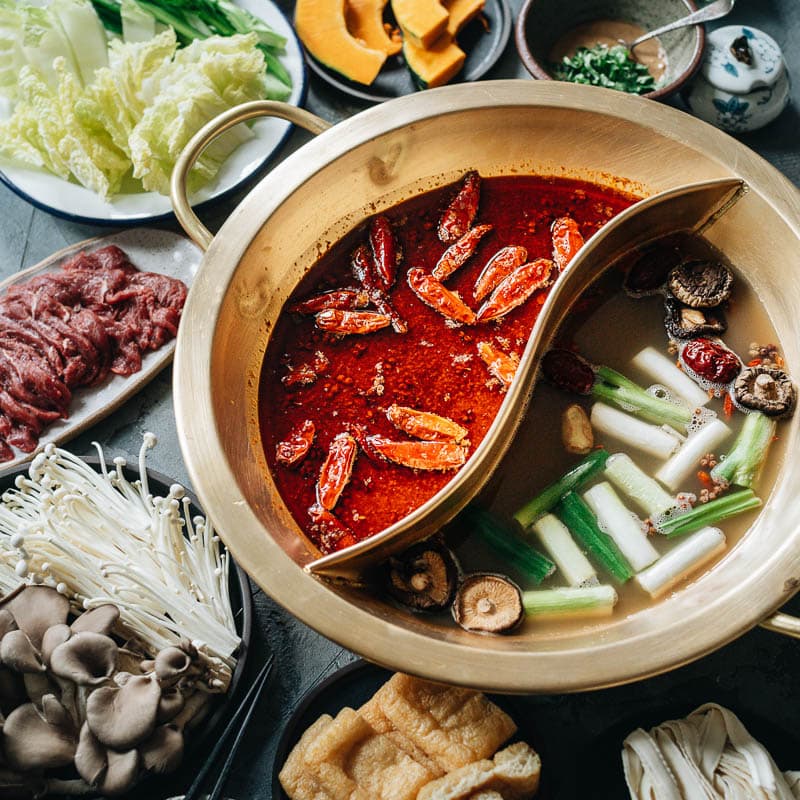
Making your own Sichuan hot pot soup base at home is way easier than I expected, and the result is fresher and more fragrant than anything from a package. The soup base is vegan and stores great in the fridge so you can have hot pot anytime.
Dried Sichuan chili peppers are the backbone of the base, infusing the oil with smoky, fragrant heat. Doubanjiang adds deep fermented savoriness that gives the broth its signature richness. Whole Sichuan peppercorns, star anise, and a mix of warm spices round everything out into a complex layered base.
I make a big batch and store portions in the freezer so hot pot night is always just a dilute and heat away. Hot pot is one of my favorite ways to bring people together around the table. I set out the dipping sauce, a spread of vegetables, sliced meats, and noodles, and let everyone cook their own food. If you love hot pot, making your own base is a game changer.
Sichuan Spicy Wontons in Chili Oil (红油抄手)
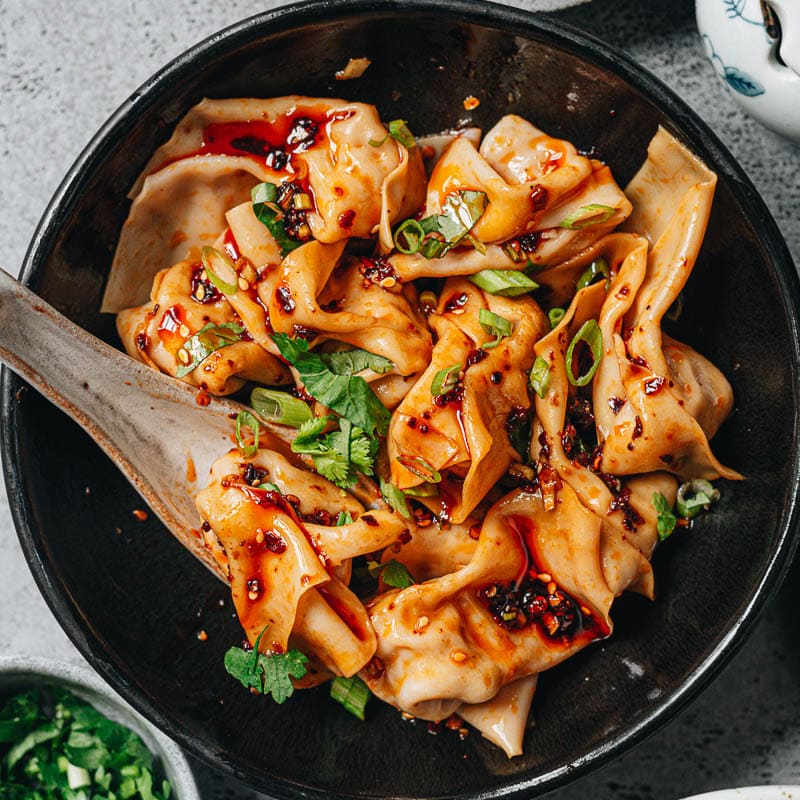
These wontons are what I fell in love with after my trip to Chengdu. Small pork wontons are boiled and served in a sauce made with chili oil, seasoned sweet soy sauce, and Sichuan peppercorn that is rich, spicy, and completely addicting. Total time is about 70 minutes, but I usually make a big batch and freeze them so future bowls take just 5 minutes.
Homemade chili oil is the most important ingredient and what makes these taste like the ones from a tiny shop in Sichuan. Seasoned sweet soy sauce adds a thick, fragrant sweetness that balances the heat. The pork filling is kept simple on purpose because the sauce is where all the excitement is.
I keep frozen wontons in the freezer at all times so I can have a bowl ready in minutes. They work as an appetizer, a snack, or a light meal on their own. When I have friends over for a Sichuan dinner, these are always the first thing I put on the table. People cannot stop eating them. I promise you, once you make these at home, you will never order them from a restaurant again.
Dumplings and Street Food
Sichuan Dumplings (钟水饺, Zhong Shui Jiao)
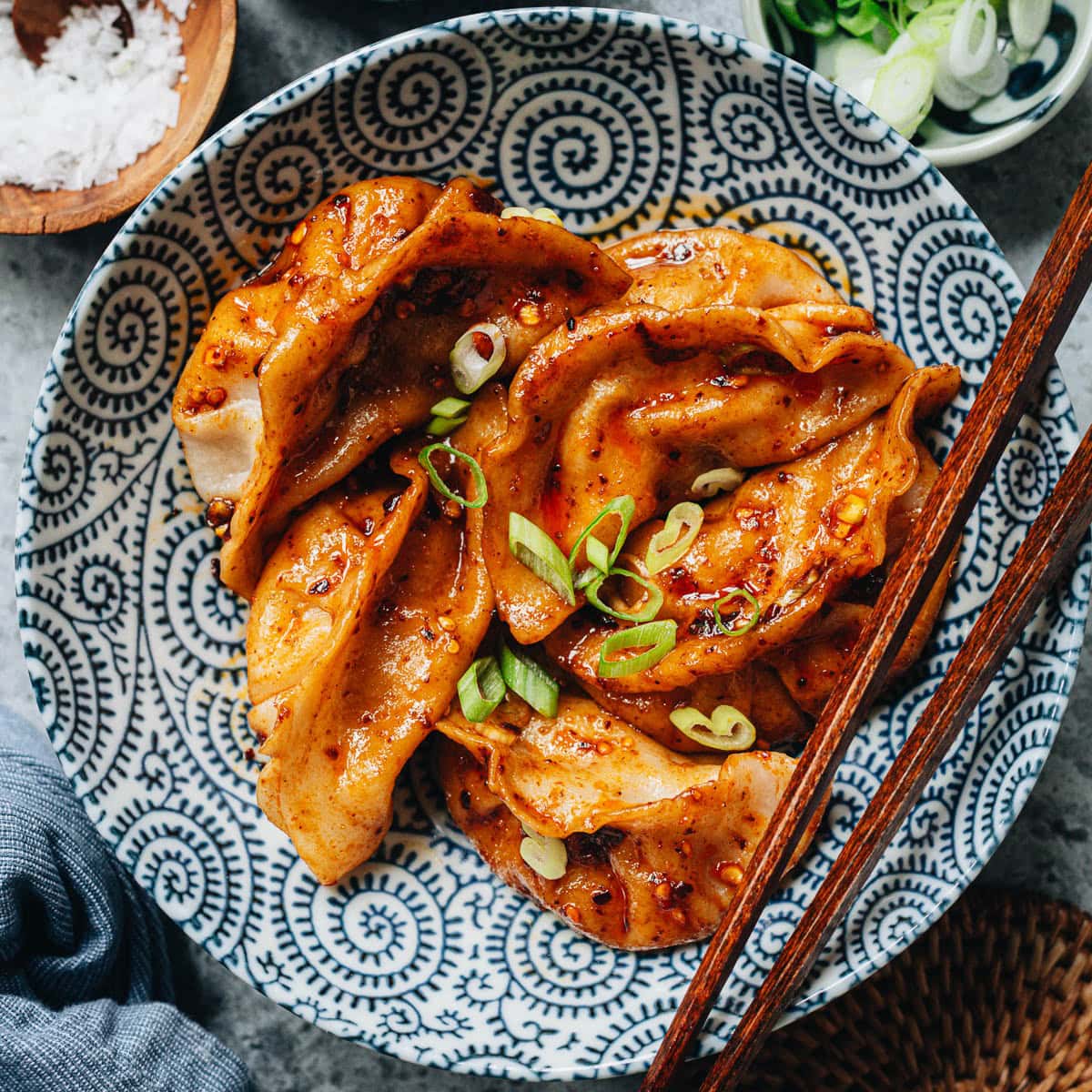
Zhong shui jiao are Chengdu style dumplings that are completely different from the northern Chinese dumplings I grew up with. The filling is just seasoned pork, kept intentionally simple because these dumplings are all about the sauce. They are smothered in chili oil and seasoned sweet soy sauce and meant to be eaten in a few bites. Total time is about 60 minutes, but like the wontons, they freeze well for quick future meals.
The sauce makes these dumplings unforgettable. Homemade chili oil provides fragrant heat and that gorgeous red color. Seasoned sweet soy sauce adds thick, savory sweetness. The pork filling is beaten until sticky and infused with ginger and Sichuan peppercorn water for a smooth flavor.
I love making a big batch of these on the weekend and eating them throughout the week. When I serve them at dinner parties, I always explain that the simple filling is intentional, and then the sauce does all the talking. If you have tried my pork and chive dumplings, this is a completely different dumpling experience.
Guo Kui (Crispy Stuffed Flatbread, 军屯锅盔)
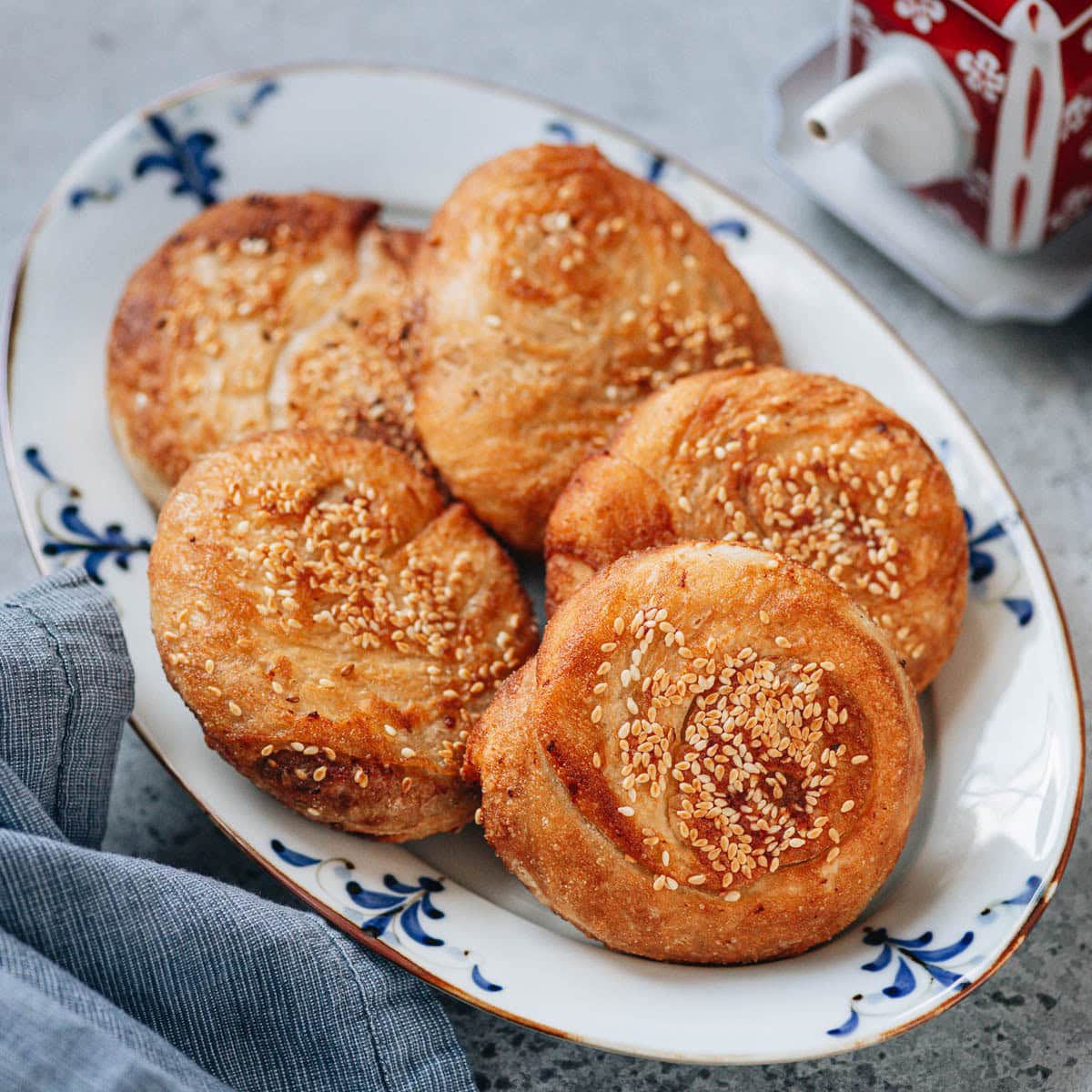
Walking through the streets of Chengdu, the smell of freshly fried guo kui pulled me into street food stalls again and again. This crispy stuffed flatbread is one of Chengdu’s most iconic snacks. The outside is thick, sesame crusted, and crackly, while the inside is layered, juicy, and filled with Sichuan peppercorn seasoned pork. Total time is about 90 minutes, but the technique is fun to learn and the result is worth every minute.
The dough uses hot water, which makes it soft and easy to work with. A butter flour paste layered between the dough creates flaky, laminated layers similar to a scallion pancake but with meat inside. The pork filling is seasoned with Sichuan peppercorn, soy sauce, ginger, and sesame oil for a fragrant, savory center.
The bread is pan fried first, then baked, so the crust gets deeply crispy while the inside stays tender. I eat guo kui as a snack or pair it with a bowl of soup for a full meal. I promise it is a recipe that is worth the effort and will impress anyone who tries it.
Dessert
Sichuan Peppercorn Gingersnap Cookies
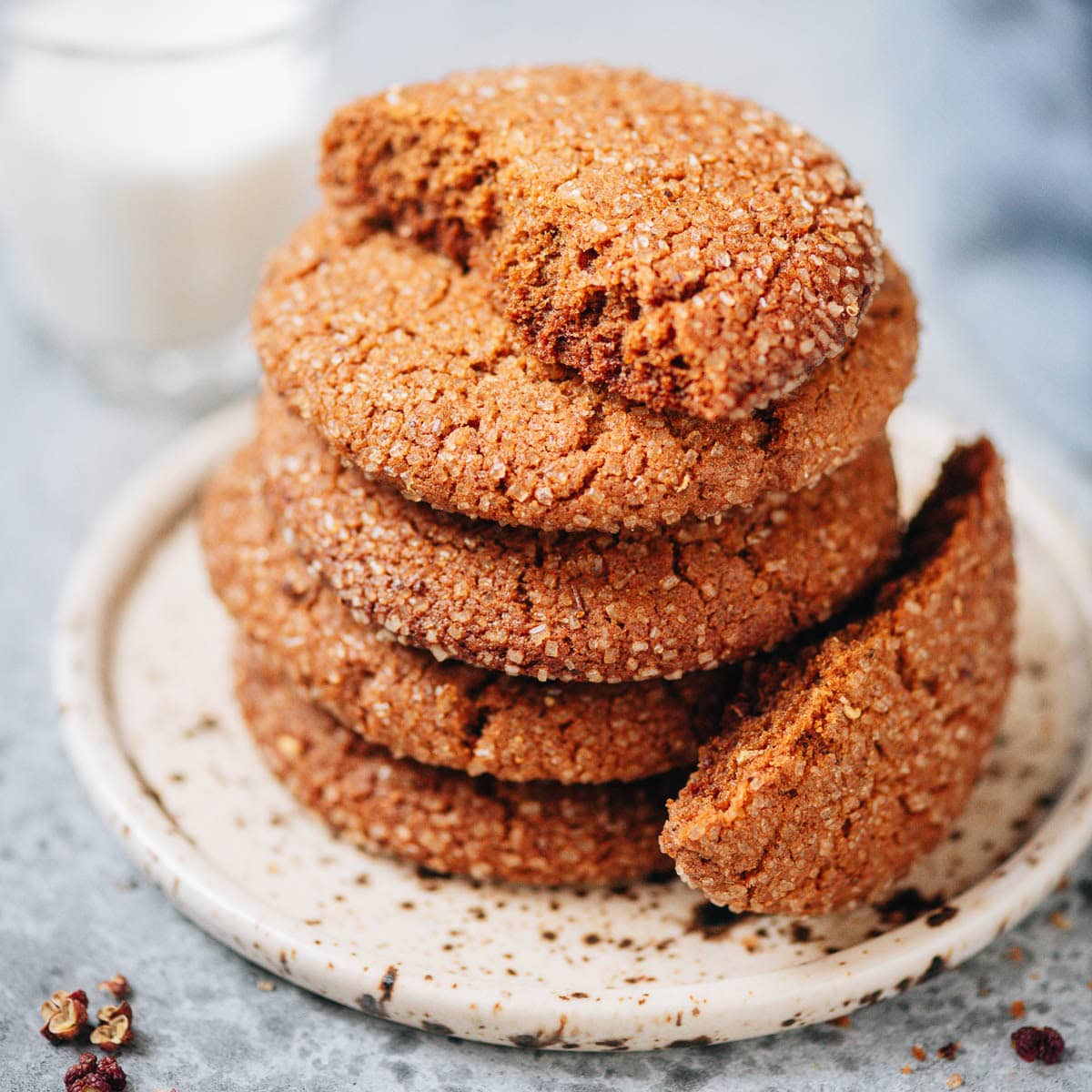
I know a cookie seems like an odd addition to a Sichuan recipe roundup, but these gingersnaps are one of the most creative things I have made in my kitchen. At first bite, they taste like a classic gingersnap with warm ginger, cinnamon, and clove. Then a few seconds later, the citrusy numbing tingle of Sichuan peppercorn blooms on your tongue. It is such a fun surprise.
Freshly ground Sichuan peppercorns are the star ingredient and must be fresh for the best effect. Traditional gingersnap spices like ginger, cinnamon, and clove create the warm cozy base. A coating of Sichuan peppercorn sugar on the outside adds extra crunch and that signature numbing tingle with every bite.
I created these cookies as a holiday treat that is familiar but keeps you coming back because you cannot quite figure out what makes them different. They are easy to put together and make a memorable edible gift. If you love bold flavors and want to surprise your friends with something they have never tasted, add these to your holiday baking list. For a full cookie assortment, also check out my almond cookies and walnut cookies.
Whether you are cooking Sichuan food for the first time or adding to a well loved collection, I hope these 20 recipes bring the real flavors of Sichuan into your kitchen. Start with one recipe, stock your pantry with the essentials like doubanjiang, Sichuan peppercorns, and chili oil, and you will be amazed at how many of these dishes you can make. Happy cooking!
Jeana
Hi Maggie,
What an amazing collection! Thank you!
I have made your Mapo Tofu previously, (WOW!) so I cannot wait to try the rest of your Sichuan recipes. Your post came just as I was heading to the grocery store, so now my shopping list has gotten quite a bit longer! And I have a feeling that my tongue will be numb for quite some time!
BTW, James is a little darling!
Again, thank you!
Katie San
my expectations, thus let me learn more of Chinese unique recipes! thanks! I love you!
Jessica
Hi there I was wondering if you had a recipe for chicken with imperial sauce? I’ve looked everywhere for it! It was a specialty at my hometown Sze-chuan restaurant.. Said it was made like this- CHICKEN
WITH IMPERIAL SAUCE 11.95
Diced chicken dipped in batter and deep fried until
golden-crunchy. Tossed in aromatic sauce of
Worchteshire, tomato sauce, soy sauce and
five-spices powder
Maggie Zhu
Hi Jessica, I don’t have this recipe on my blog now but would love to look into it and develop a recipe.
Shirani Wethasinghe
Hi, The recipes are all great. Do you have one for sweet sour port? Also how can I order a cook book?
Thanks Shirani
Maggie
I do have a sweet and sour pork recipe: https://omnivorescookbook.com/sweet-and-sour-pork/
I only sell a ebook right now but I’d love to work on a print book in the future! (my ebook: https://omnivorescookbook.com/The-Chinese-Stir-Fry-Sauce-Cookbook)