
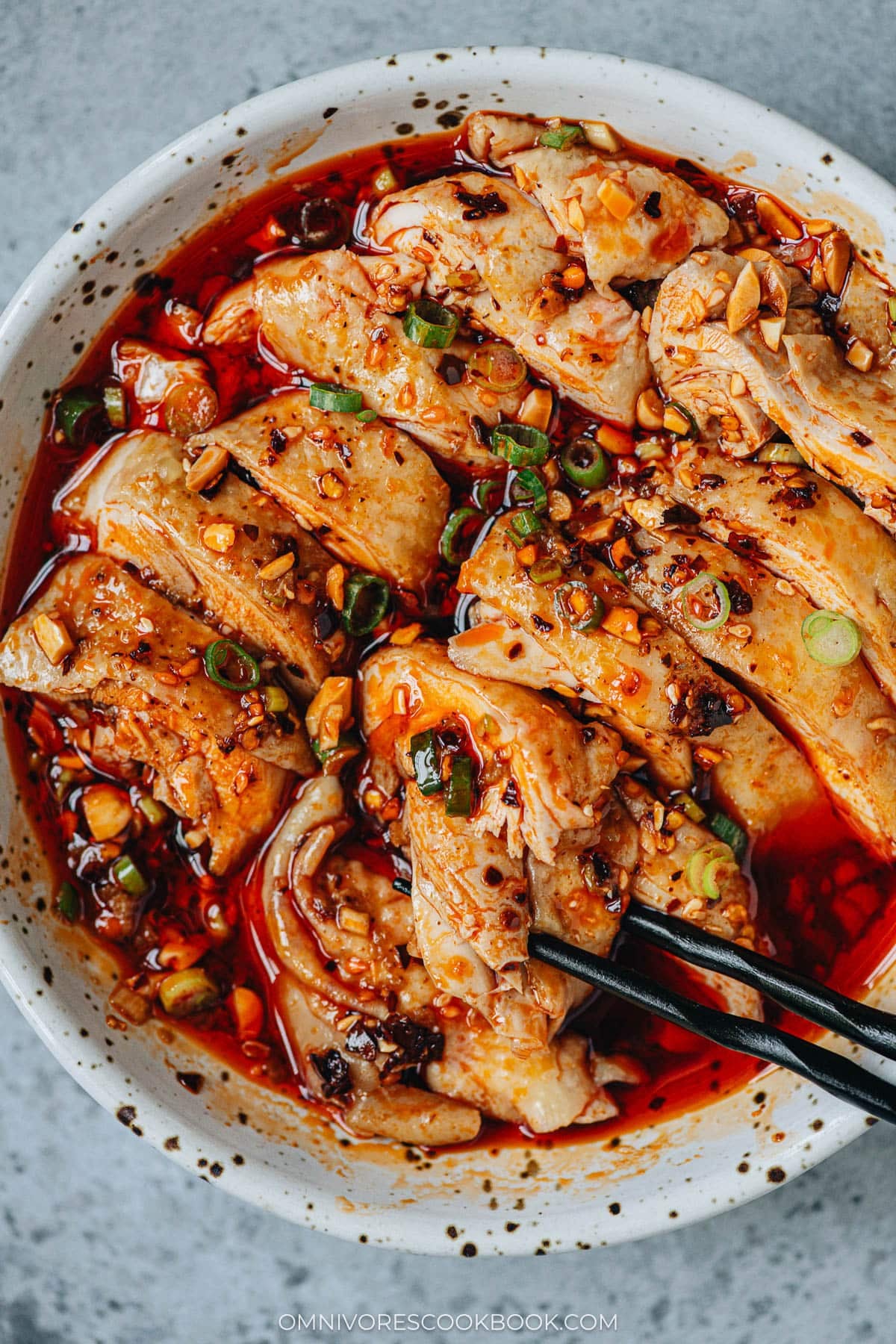
Saliva Chicken, known as “口水鸡” (Kou Shui Ji) in Chinese, is a popular dish in Sichuan cuisine. The literal translation of its name might sound unusual to non-Chinese speakers. But in fact, the Chinese dish name means “mouth-watering chicken”, which is a more proper name for this famous dish.
I first ordered this dish at a small Sichuan restaurant where it arrived cold and neatly sliced with red oil underneath. The chicken was tender and the sauce carried garlic and peppercorn in every bite. That experience is something that is honestly hard to forget and, of course, made me want to recreate it in my own kitchen.
Now I make this dish by steaming the chicken with ginger, saving the broth, and mixing a sauce with soy sauce, vinegar, sesame paste, and chili oil. I slice the chicken and coat it with the sauce right before serving. It is definitely a dish I prepare when I want something simple that I can make ahead for my family. If you have tried the dish before and want to replicate that rich flavor at home, you have come to the right place. Just follow my directions and tips below.
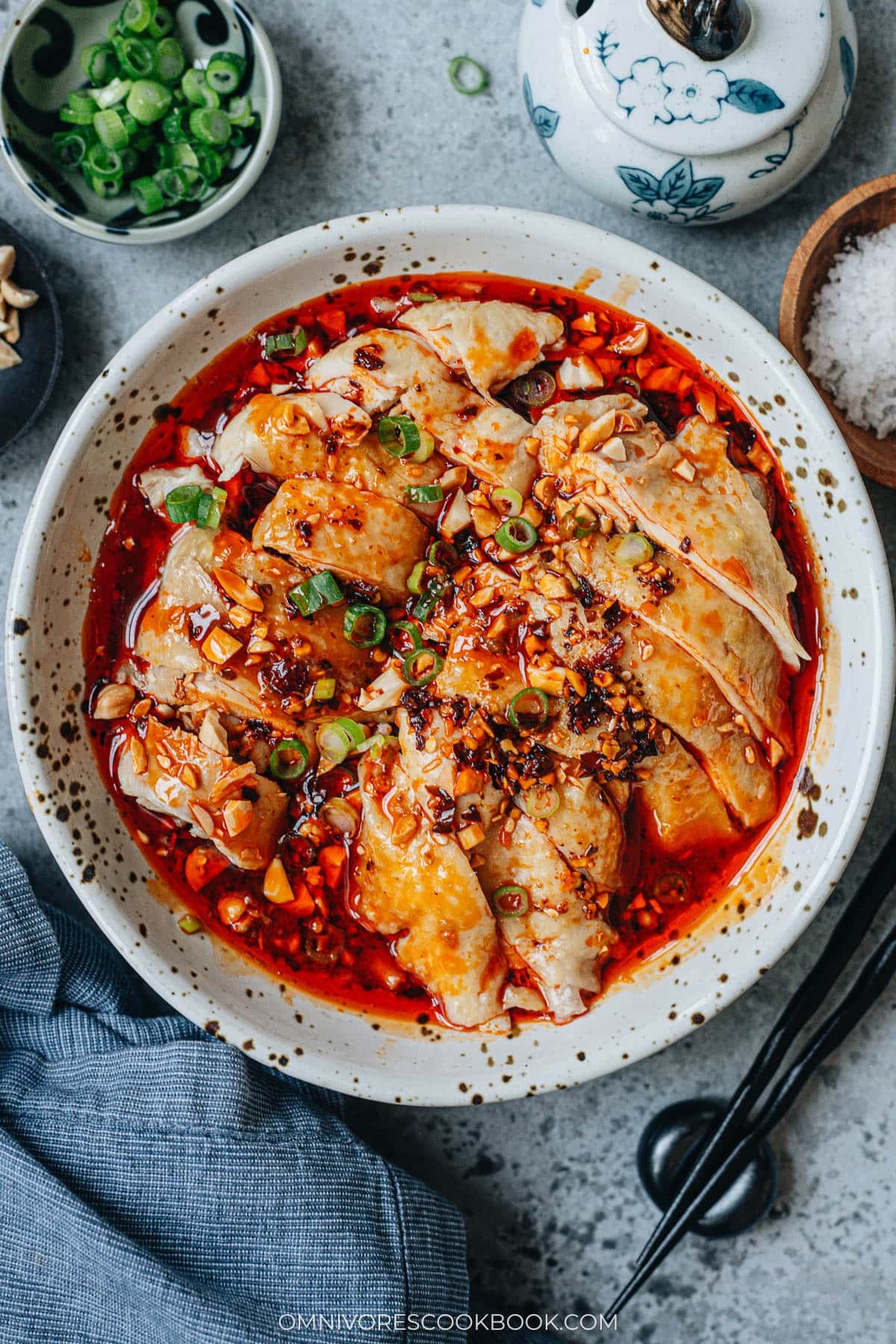
Ingredients
I group my ingredients by how I build the dish, starting with the chicken, then the sauce, and finishing with garnish for texture. To make the most authentic tasting mouthwatering chicken, it’s important to use high quality ingredients from Chinese brands. The freshness of Sichuan peppercorns and chili oil matter the most.
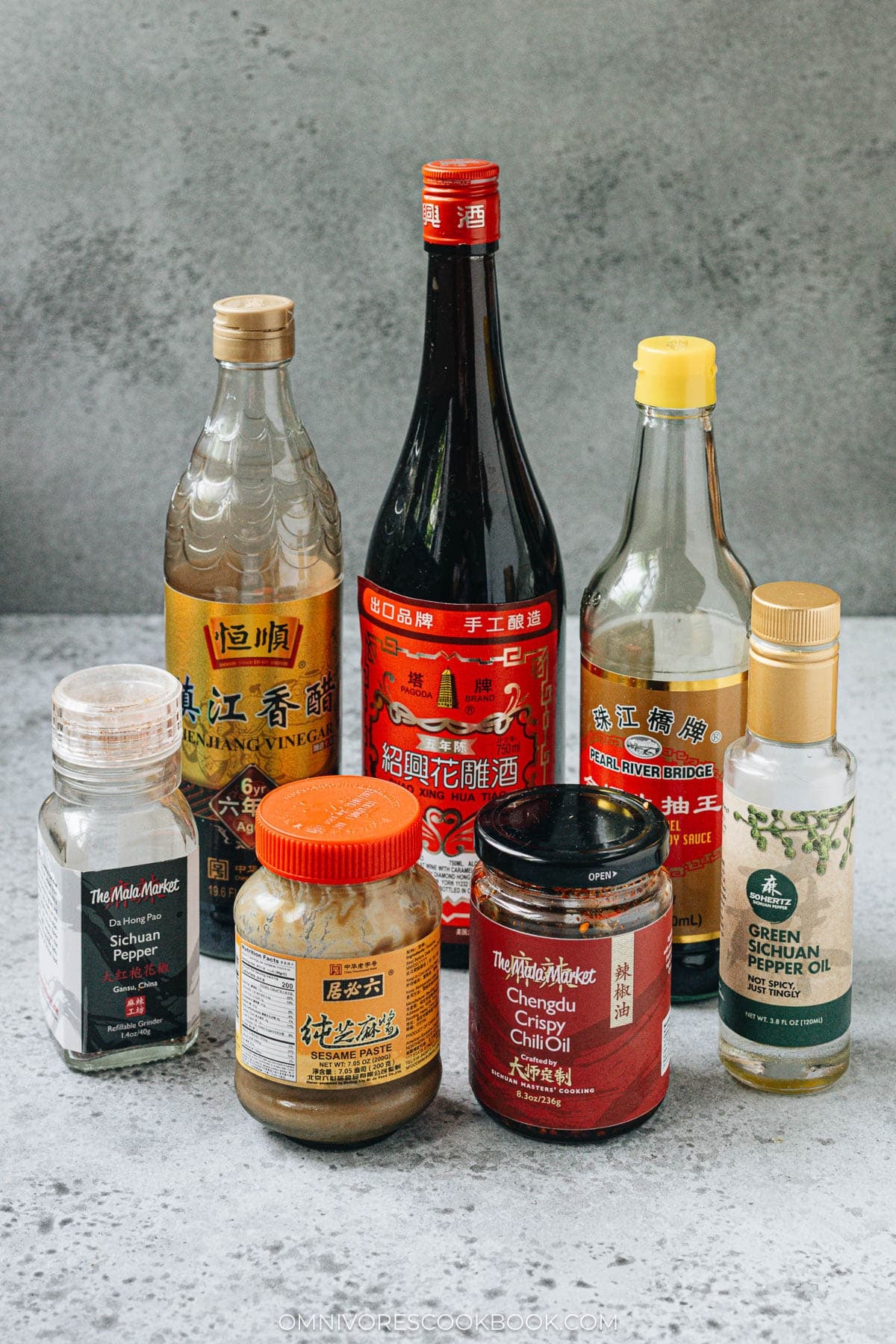
Chicken: I use bone in chicken legs because they stay juicy during steaming and create a clean tasting broth. If you prefer chicken breast, I recommend sourcing bone-in skin on breast that is on the smaller end, and reduce the cooking time to keep the chicken tender. I add ginger and Shaoxing wine to build a earthy umami flavor.
Sauce: I mix soy sauce, vinegar, sesame paste, and sesame oil to create the base. I add garlic, ginger, scallion, and Sichuan peppercorn to build aroma and that numbing quality.
Finish and garnish: I pour my homemade chili oil over the chicken for color and richness. If you choose the proper Chinese chili pepper flakes, the recipe makes an aromatic oil that is less spicy and more flavorful. I add peanuts and scallion for a nice texture too.
If you use a store-bought chili oil, make sure to use the Chinese type that has chili flakes in it. I highly recommend the chili crisp oil from The Mala Market.
How to Make
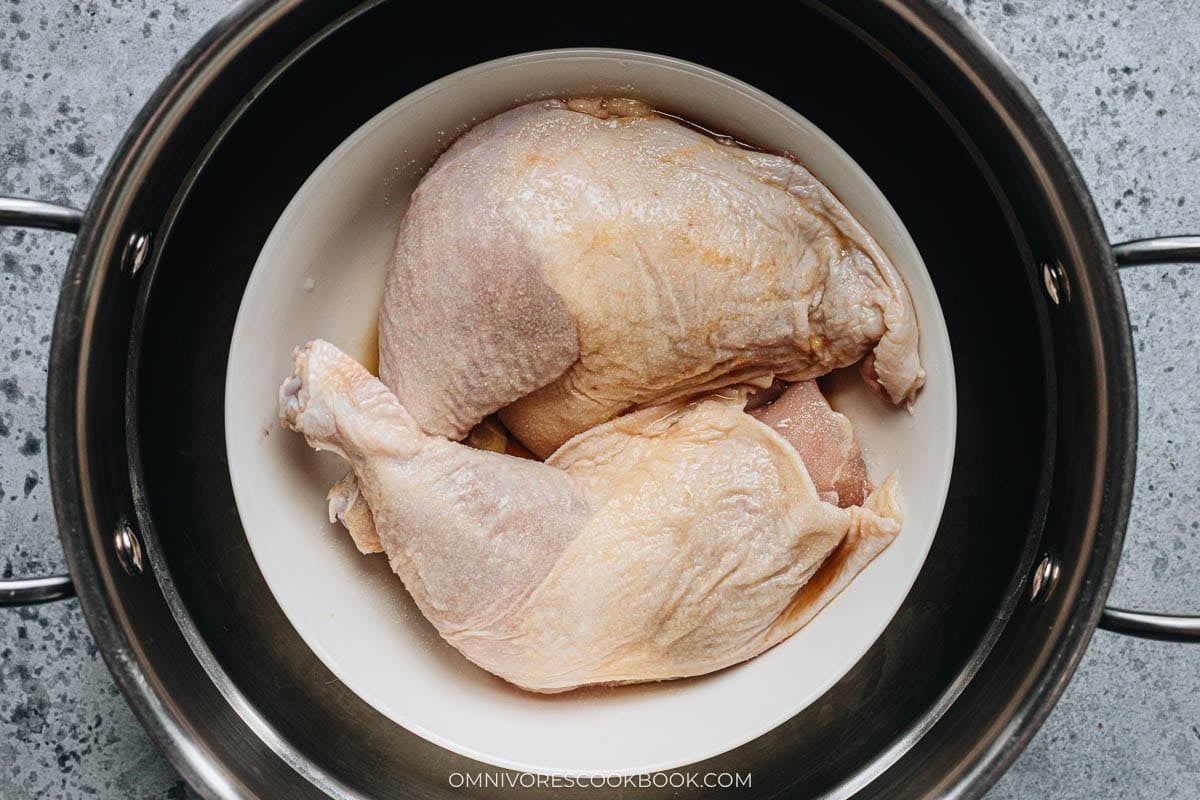
1. Prepare the chicken: Arrange the chicken on a plate and place ginger underneath. Pour Shaoxing wine over the chicken and sprinkle with salt.
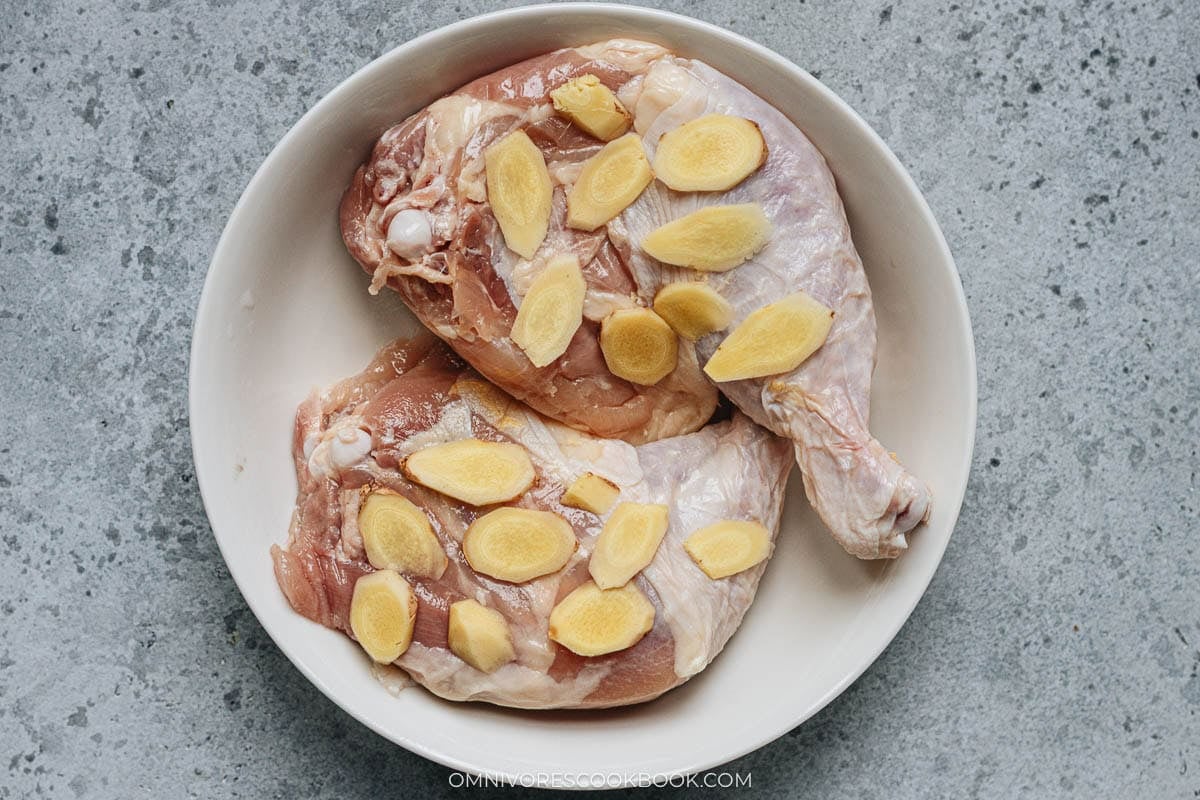
2. Steam the chicken: Bring water to a boil and place the plate in a steamer. Steam until the chicken is cooked through and the juices run clear. Remove and let it cool, then reserve the cooking liquid.
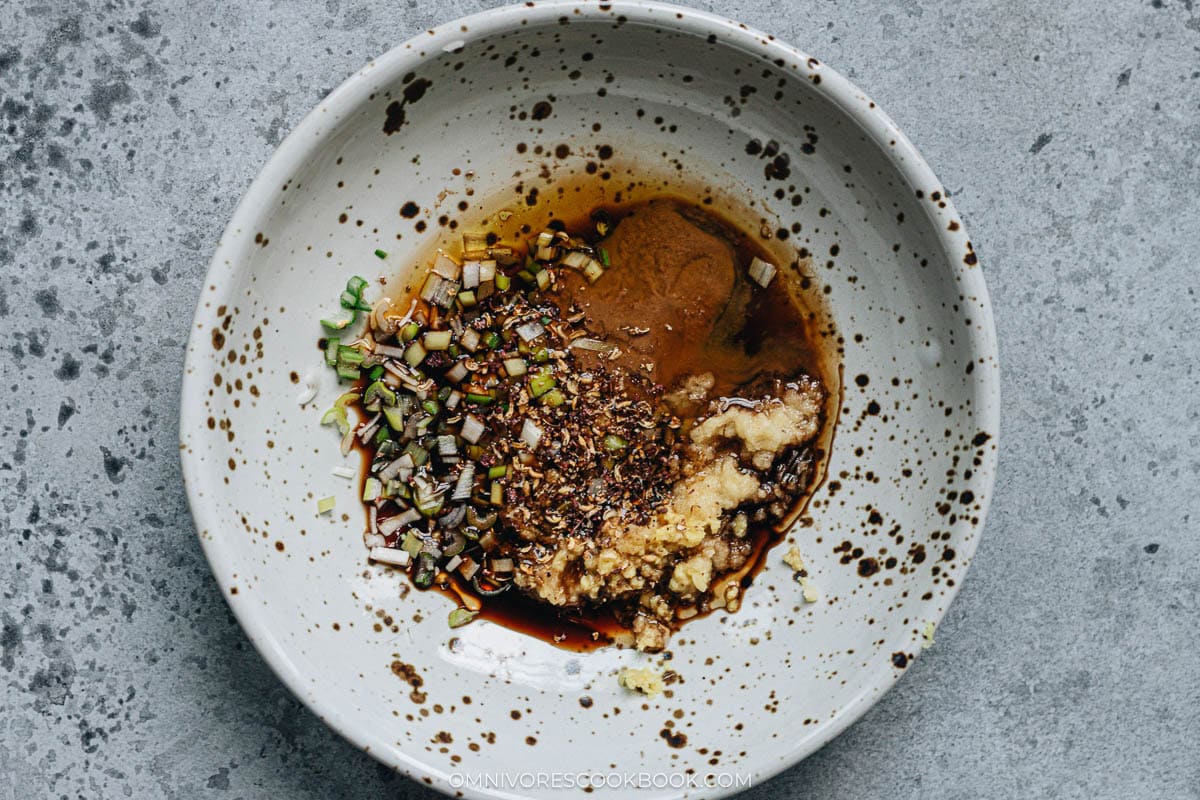
3. Make the sauce: Combine soy sauce, vinegar, sesame paste, sesame oil, sugar, scallion, garlic, ginger, and Sichuan peppercorn in a bowl. Stir until smooth. Add some of the reserved broth to loosen the sauce and mix well.
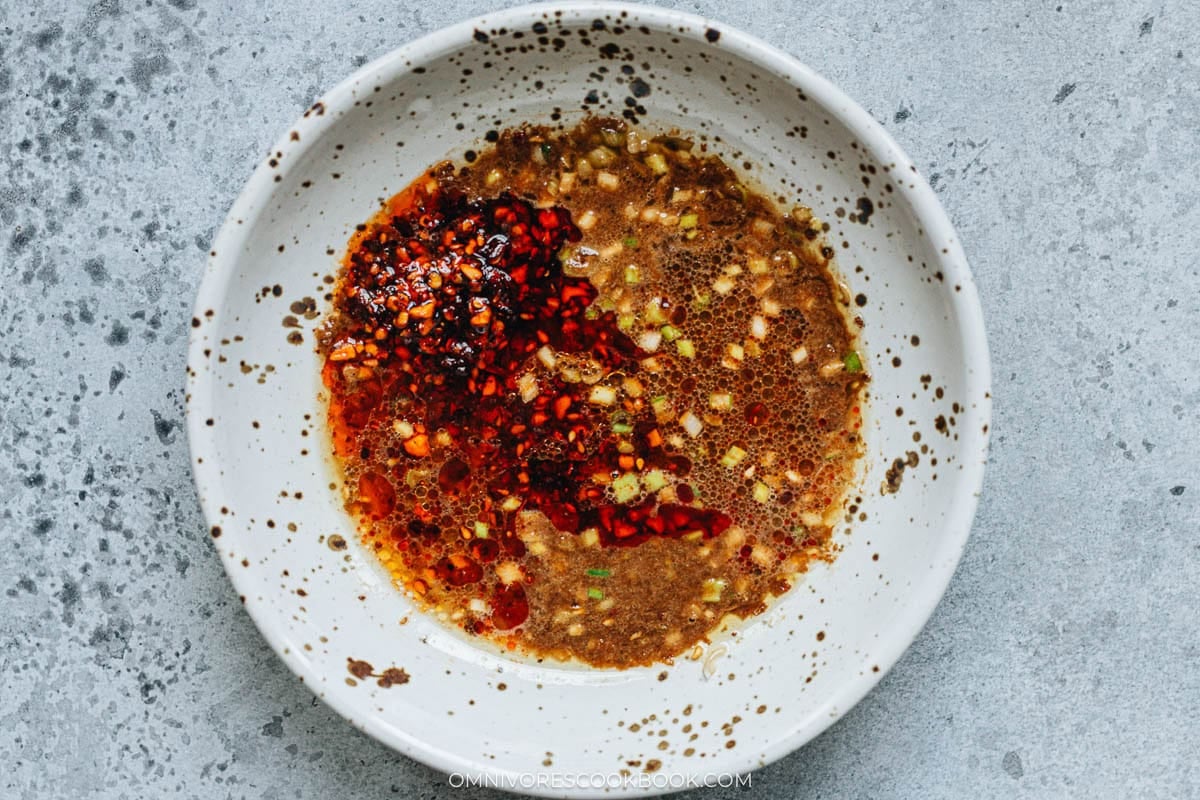
4. Add chili flake residue: Add chili flake residue from the chili oil into the sauce and stir to combine.
5. Slice the chicken: Once the chicken has cooled, remove the bones and slice it into bite sized pieces. Transfer the chicken into the sauce.
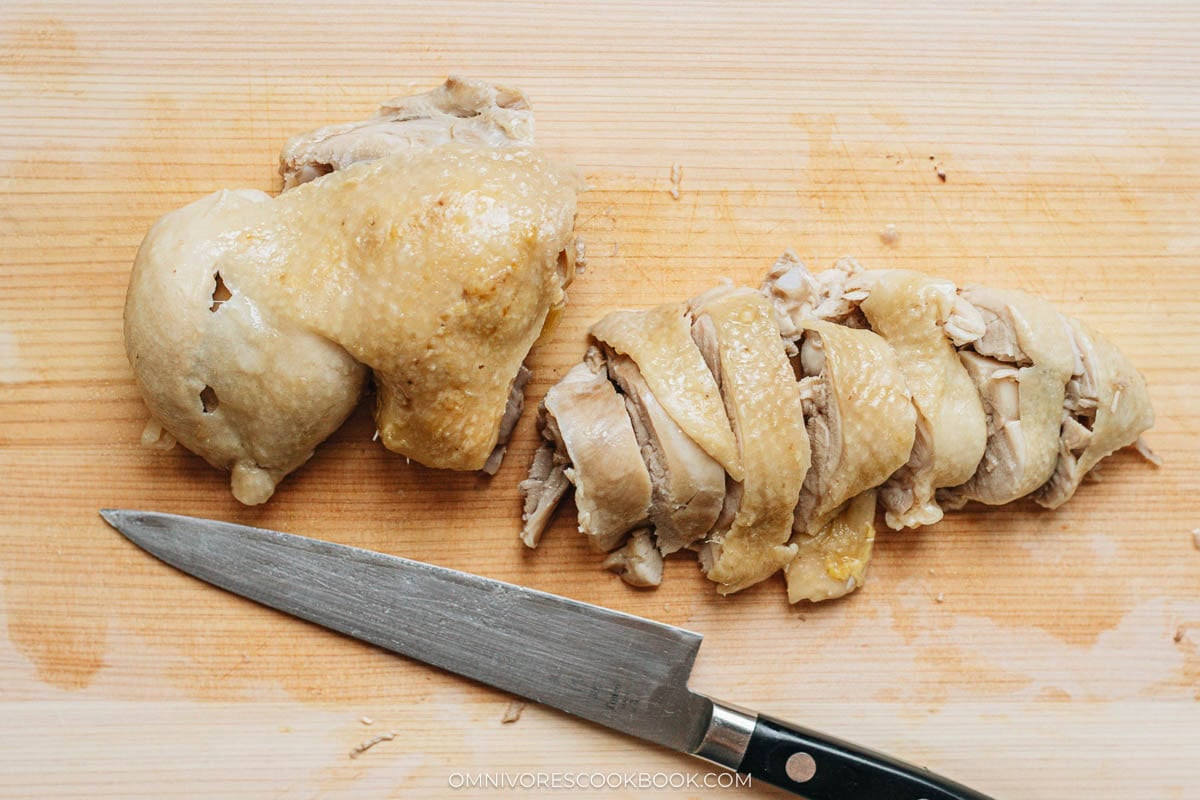
6. Add the chicken to the sauce: Transfer the sliced chicken into the sauce.
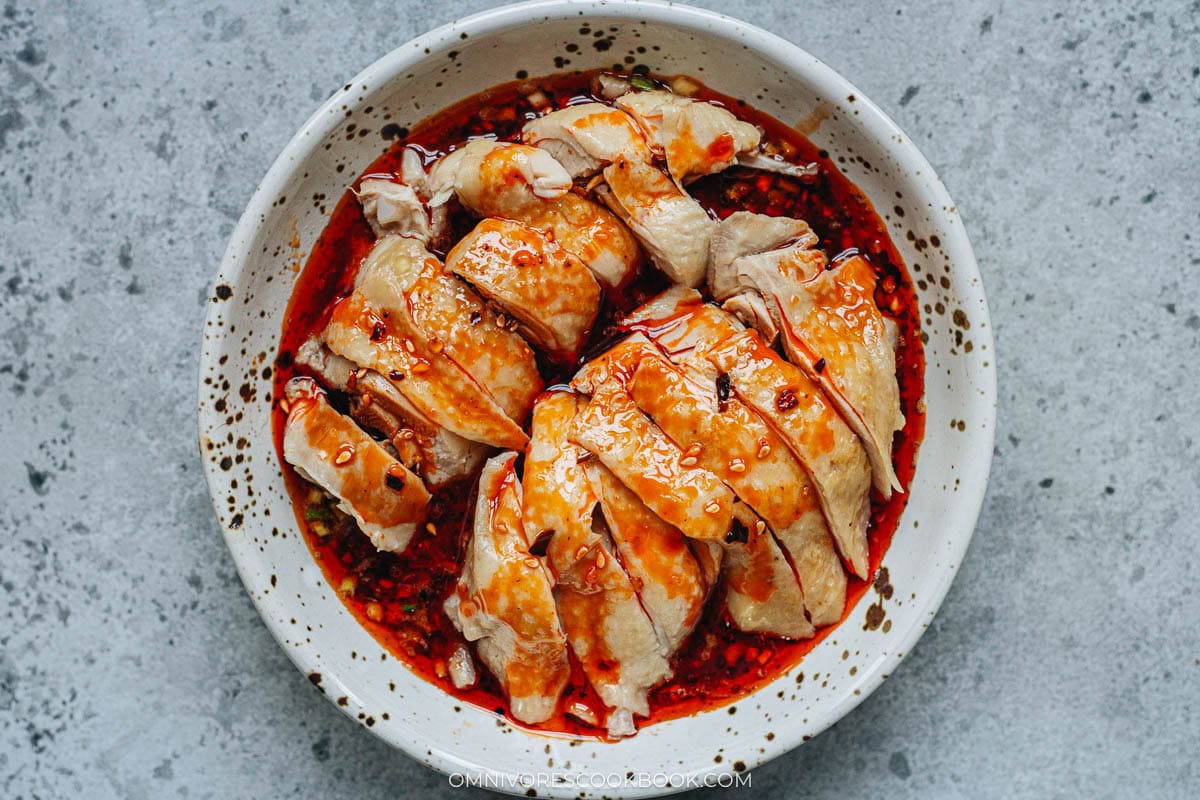
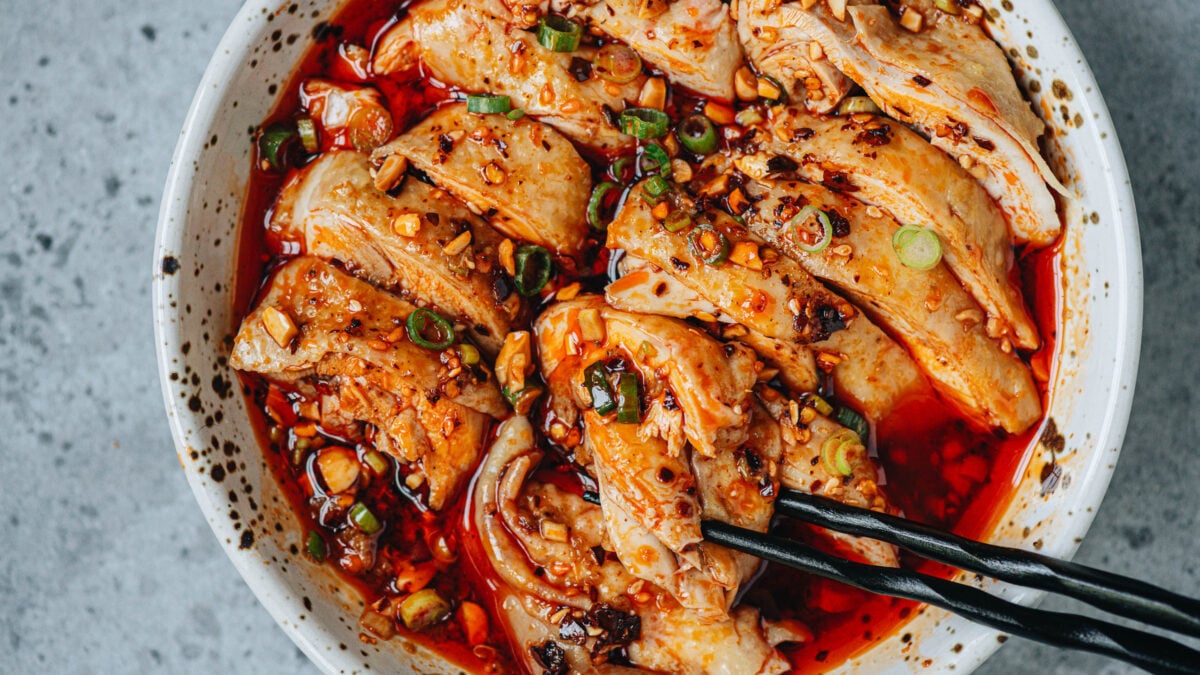
6. Finish and serve: Pour chili oil over the chicken and garnish with peanuts and scallion. Serve at room temperature and mix before eating.
Tips to Consider When Making this Recipe
Use bone in chicken for better texture: I prefer bone in chicken legs because they stay juicier during steaming. I also get a more flavorful broth, which helps the sauce come together. It’s possible to use chicken breast, but I would use high quality breast on the smaller side, and I highly recommend the bone-in skin-on type. I would steam it for 20 to 25 minutes, until the breast is just cooked through.
Do not overcook the chicken: I remove the chicken as soon as it is cooked through. This keeps the meat tender and prevents it from turning dry once it cools. Chinese restaurant often use a whole chicken, and soak the cooked chicken in ice water to tighten the skin. I found the step less effective when using pieces pieces, so I skipped it.
Stir the sesame paste well: I make sure the sesame paste is fully mixed before adding it to the dish. This keeps the sauce smooth and helps it coat the chicken well.
Use the chili oil residue: I never skip the chili flake residue because it adds texture and extra aroma. It also gives the finished dish the look I want when I serve it.
Let the dish sit before serving: I like to let the chicken sit in the sauce for a few minutes before I bring it to the table. This gives the meat time to absorb more flavor.
How I love to Serve
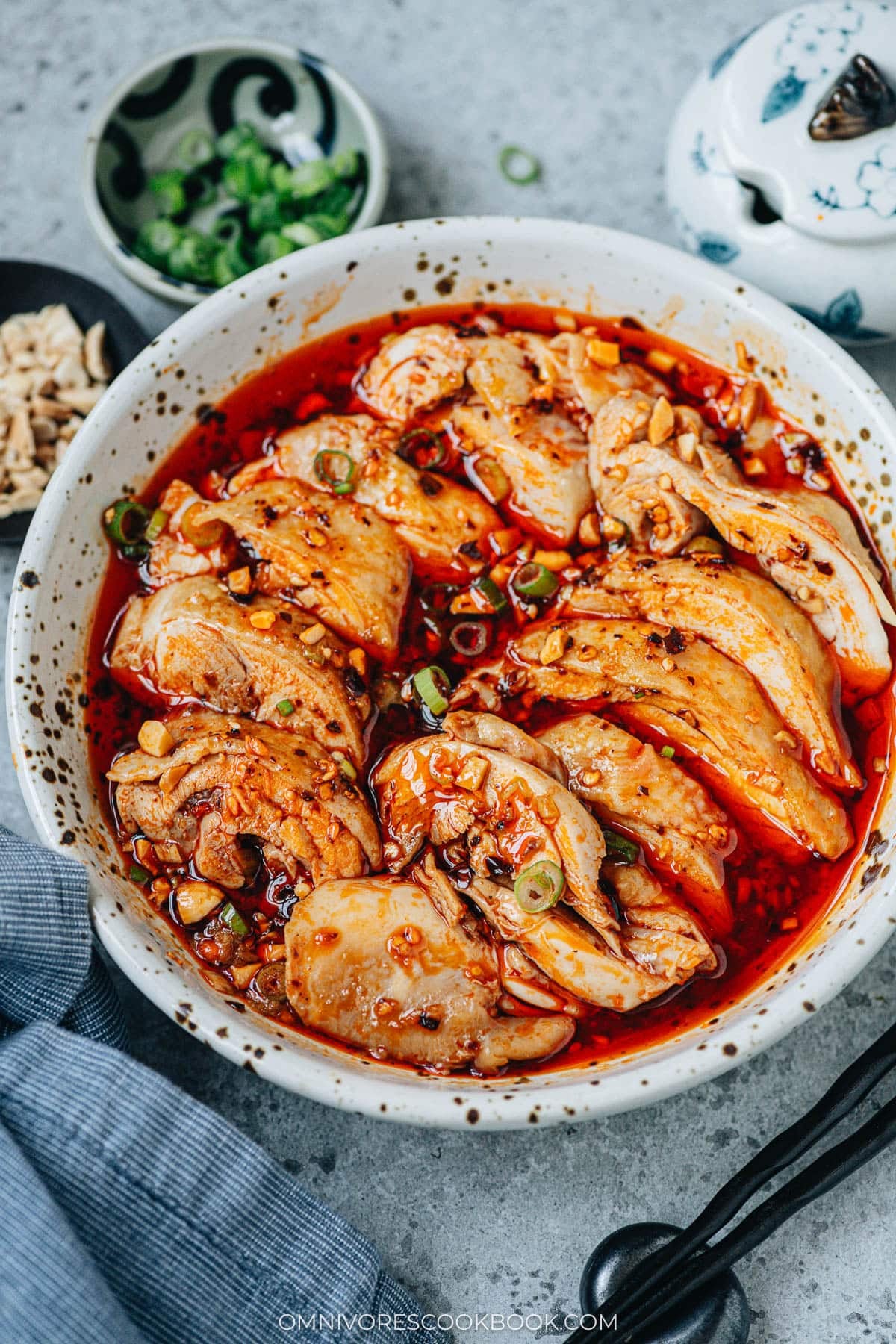
I usually serve this dish as a starter when I cook a Sichuan style meal for my family. I like to set it out with steamed rice and a few lighter dishes such as my spicy cucumber salad, my favorite Bok choy with oyster sauce, or my easy 4 ingredient baby Bok choy stir fry so the chicken and sauce stand out. Those simple sides pair well with the red oil sauce without taking attention away from it.
I also like serving it for gatherings because I can make it ahead and bring it to the table without any last minute cooking. The other day I serve it with warm bowl of Chinese egg drop soup and of course an Authentic hot and sour soup. My family also likes spooning some of the extra sauce over rice, which is always a good way to finish the plate.
Frequently Ask Questions
How spicy is this dish?
I find this dish has a strong aroma and a steady heat, but I can easily adjust it. I use less chili oil for a milder version if less heat is preferred, or add more if I want a stronger finish.
How do I store leftovers?
I store the leftovers in an airtight container in the refrigerator and eat them within 2 days. If I want to freeze it, be aware that the sesame based sauce and chili oil can separate after thawing. Before serving again, I thaw it in the refrigerator, warm up the dish a little in a steamer to bring back the texture before serving.
Which cut of chicken should you use?
Authentic saliva chicken usually uses a whole chicken that is chopped after cooking and served bone in and skin on. I use bone in, skin on thighs because they are more practical and stay juicier, then I remove the bone and slice the meat before serving. If I use chicken breast, I choose smaller pieces and stop steaming as soon as the internal temperature reaches 165°F or 74°C so the meat stays tender.
Want to Save This Recipe?
Enter your email below & we’ll send it to your inbox. Plus get great new recipes from us every week!
Watch video
Mouthwatering Sichuan Chicken in Red Oil Sauce(口水鸡)
Ingredients
Chicken
- 2 (1 to 1.5 lbs in total) bone-in skin-on chicken legs (*Footnote 1)
- 1 thumb ginger , sliced
- 2 tablespoons Shaoxing wine (or dry sherry)
- 1/2 teaspoon salt
Sauce
- 1 1/2 tablespoons light soy sauce
- 1 teaspoon Chinkiang vinegar
- 1 teaspoon Chinese sesame paste (or unsweetened natural peanut butter)
- 1 teaspoon sesame oil
- 1 teaspoon sugar
- 1 green onion , white part minced, green part sliced for garnish
- 2 cloves garlic , grated
- 1 teaspoon grated ginger
- 1/4 teaspoon ground Sichuan peppercorn
- 3 tablespoons juice from cooking the chicken
- 4 tablespoons chili oil (3 tablespoons oil + 1 tablespoon chili flake)
- 2 tablespoons roasted peanuts , chopped
Instructions
- Prepare a plate large enough to fit the chicken and small enough to fit into your steamer basket. Evenly spread the ginger slices evenly onto the meat side of the chicken. Then place the chicken onto the prepared plate, skin side up. Pour the Shaoxing wine over the chicken and sprinkle evenly with the salt.
- Prepare the steamer by heating 2” (5 cm) water in the pot to a boil. Then place the plate with the chicken onto the steamer basket, and place the basket onto the steamer. Steam covered over medium-high heat until the chicken is just cooked through, 30 minutes or so. You can test the doneness by inserting a knife into the thickest part and checking whether the juice runs clear. If it’s clear, the chicken is cooked. Transfer the plate onto your kitchen counter to let the chicken cool off. Reserve the juice from cooking the chicken.
- Mix the light soy sauce, Chinkiang vinegar, sesame paste, sesame oil, sugar, white part of the green onion, garlic, ginger and ground Sichuan peppercorn in a medium bowl that you plan to serve the chicken. Mix well until the sesame paste is evenly distributed. Add 3 tablespoons of the broth from cooking the chicken, and 1 tablespoon of the chili flake residue from the chili oil. Stir to mix well.
- When the chicken is cooled, transfer the chicken onto a cutting board. Remove the bones using a paring knife, then slice chicken into 1/2” (1-cm) pieces. Transfer chicken into the bowl with the sauce ingredients.
- Pour the chili oil over the chicken, and garnish with peanuts and green onion. Serve at room temperature as an appetizer. Stir gently to mix the chicken with the sauce and the chili oil when eating.
Nutrition

Did you make this recipe?
I’d love to hear how it turned out for you! Please take a moment to leave a 5-star rating ⭐️ and share your thoughts in the comments further down the page. It really helps others discover the recipe too.
Kelsey
Is sesame paste the same as tahini?
Maggie Zhu
It’s not the same. Chinese sesame seeds use toasted sesame seeds, which has a darker color and a nuttier taste. Tahini uses raw or lightly toasted sesame seeds, which has a grassier taste and a lighter color. That being said, I think it’s totally fine to use tahini in this recipe because the amount is very small and it doesn’t impact on the flavor so much. It’s more of a binder to thicken up the sauce, so it coats the chicken better.
Amita Bhalla
Can you make this saliva chicken a day in advance? I am guessing vinegar in the sauce should preserve it well?
Maggie Zhu
Yes you definitely can. I like to make this dish ahead of time too because the chicken gets marinated in the sauce and will taste very flavorful.
Michael Raynham
Hi,Can this be served hot ? Thanks
Maggie Zhu
This dish is usually served warm – by the time you cut the chicken (I usually wait until the chicken cools off before cutting, so it’s easy to handle) and assemble, it will not be piping hot. That being said, if you don’t mind cutting hot chicken, have the sauce ready before hand, assemble and serve immediately, it will be quite hot and I think it will taste good. If you pre-cook it and reheat before serving, I would use a steamer to heat it so the chicken remains tender, and I think it will taste good as well.
Tina
Hi Maggie.
I like your recipe a lot, but I want to make this dish with chicken breast. What adaptations should I make?
Maggie Zhu
You can definitely make the recipe with chicken breast and have a great result. The only thing I would be careful is the steaming time. I used bone-in thigh pieces, which takes longer to cook through and the thigh pieces can stand a little over cooking (the fat renders off from the thigh if over cooked a little, which yields a nice texture). Breast pieces takes less time and it will become quite tough if overcooked. Depending on the size of the chicken beast, it might only require 20 to 25 minutes. I would check it at 20 minute mark, either by using a thermometer or using a pairing knife to pieces the thick part and the juice should come out clear.
Barbara
I do want to try this, but we are not into spicy hot. How spicy hot is the chili oil? Could I use just 1 or maybe 2 tablespoons to tone it down?
Maggie Zhu
Yes, you totally can. The way that chili oil is used in the restaurant (also in this recipe) is a bit overboard and a part of it is for the visual. The dish will end up with a lot of leftover chili oil once you eat the chicken.
This recipe uses a base sauce that is already very flavorful. I’d say start with 1 tablespoon chili oil, and add more if needed.
Jo
Recipe looks great and I’d love to try it. However, I cannot have hot chili oil (not a fan of overly spicy dishes). Will the dish still taste good without it? Should I just drizzle with olive oil instead?
Maggie Zhu
The base sauce is very tasty by itself so I think it’s totally OK to make it without the chili oil. If you have sesame oil, I would drizzle a bit (1 to 2 teaspoons) of sesame oil instead of olive oil.
Socks Private Proxies
Sweet website , super design, real clean and utilize friendly.
Tiffany
What could be used to substitute sweet soy sauce?
Maggie Zhu
You can use 1.5 tablespoon dark soy sauce plus 2 teaspoons to 1 tablespoon sugar to replace the sweet soy sauce.
Alisa
Loved it. Definitely going to cook it again and again
Bjoern
Very nice, was the first time for me to make Chinese food. I also made the homemade chili oil and the sweet soy sauce, all of which cake out nicely. For quickly trying the recipe I didn’t marinate the chicken for long, so I suppose could have more flavor, but it was nonetheless very nice and very much reminded me of the one I got in one of my favorite Szechuan style restaurants in Hong Kong. Thanks!
Sok Ai
Hi Maggie
I finally tried this recipe today after making the chilli oil and sweet soy sauce beforehand. The result is fabulous. The chicken and sauce tasted even better than the restaurant version which I had eaten before. The chilli oil smells so fragrant even on its own. Thank you so much for sharing your recipe. I really enjoyed this dish! Two thumbs up!
Maggie
Hi Sok, I’m so glad to hear you tried this recipe and enjoyed the dish! Yes, homemade fresh ingredients are the best! Now you have the chili oil and sweet soy sauce, you can make a lot of other delicious Sichuan dishes:) Can’t wait to hear what you cook the next.
XtremeCookiez
I’d suggest renaming this from saliva chicken to mouth watering chicken. As that’s also the literal translation of 口水.
Maggie
Yeah I agree, but it’s the most well-known name. Sounds super gross but I’m afraid people won’t able to find it if I name it mouthwatering chicken. Such a dilemma.
William D. Zigrang
She did, in a later version.
Catherine
Maggie, I made this recipe today, along with the chili oil and sweet soy sauce, and it was a hit! My friends could get enough of the sauce! Thank you for this fab recipe. I often check your website for recipes! Keep up the great work!
Maggie
I’m so glad to hear you made this dish and enjoyed it Catherine! Thank you for taking time to leaving a comment and the kind words 🙂
Have an awesome week ahead!
Robert
Do you have a recipe for your homemade flavored sweet soy sauce and homemade chili oil? The latter I assume to be just oil and crushed chili, but what kind of oil? You do mention the ingredients of your homemade flavored sweet soy sauce, but do not state what quantities of each are needed.
Thank you! This recipe looks scrumptious!
Maggie
Hi Robert, here is the flavored sweet soy sauce recipe:
https://omnivorescookbook.com/flavored-sweet-soy-sauce/
And here is the chili oil recipe:
https://omnivorescookbook.com/how-to-make-chili-oil/
Let me know if you have further questioins.
Sarah K
I can’t wait to try it!