
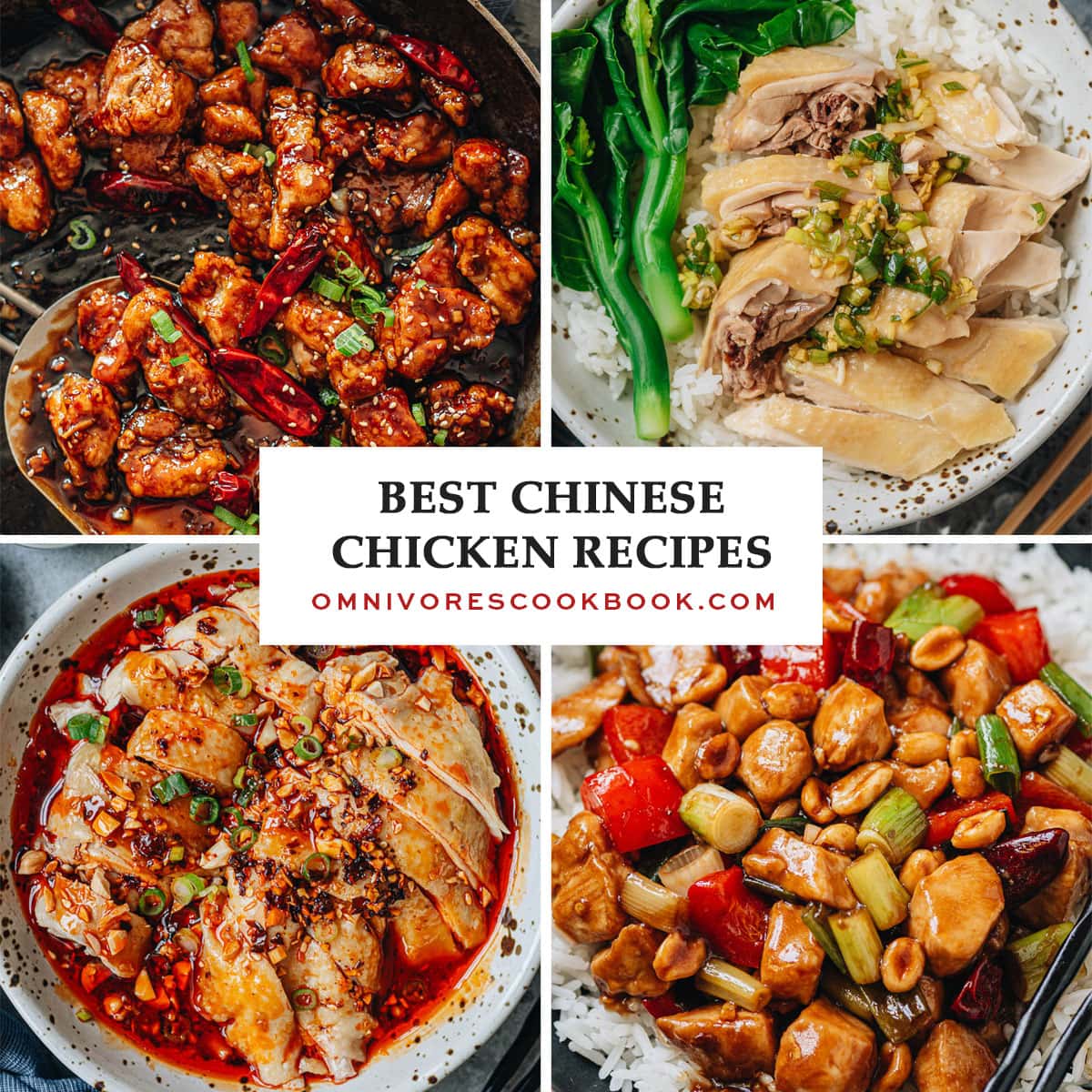
Why I Love Chinese Chicken Recipes
Chicken was the one protein that showed up on our table in Beijing no matter what. My mom kept it simple most nights, maybe a ginger stir fry or chicken braised with soy sauce and star anise, but those quick dinners taught me how versatile chicken really is. It takes on any flavor you give it. Marinate it in Shaoxing wine and white pepper and it becomes silky and delicate. Toss it in a wok with dried chilies and Sichuan peppercorns and it turns fiery and addictive. Poach it with nothing but water and ginger and you get the purest bite of chicken you have ever tasted.
What I love most about Chinese chicken cooking is the range of techniques. Stir frying gives you speed and high heat caramelization. Braising builds rich sauces that stick to every piece like I love. And, poaching creates a tenderness you can’t get any other way. Yes, that’s absolutely right!
Plus, each region of China has its own take. Sichuan goes all in on chili heat and numbing peppercorns. Canton keeps things clean and lets the chicken speak for itself. Taiwan brings crispy street food energy with five spice and white pepper. Much like my best Sichuan recipes collection I shared the other day, every recipe on this list comes from a real tradition, and I have tested every single one in my own kitchen.
I organized these 20 recipes into three groups so you can find exactly what you are looking for, whether that is a quick weeknight stir fry, a regional dish you have never tried, or a crispy crowd pleaser for your next gathering.
20 Best Chinese Chicken Recipes
From crispy takeout favorites you can make without a deep fryer to authentic regional dishes that take you straight to the source, these are the 20 best Chinese chicken recipes I am obsessed with.
Takeout Classics
Black Pepper Chicken
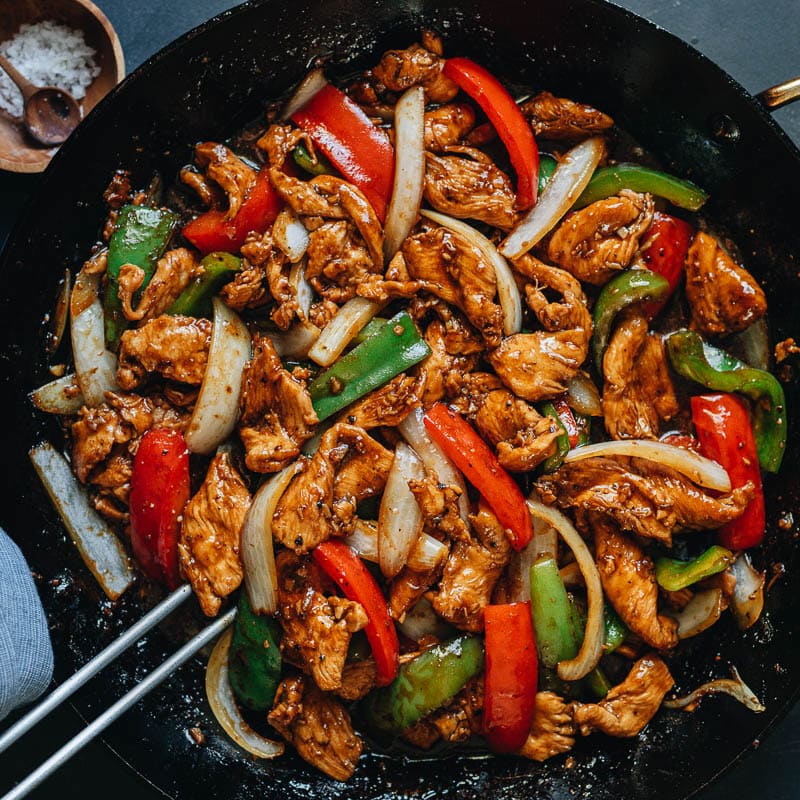
Black pepper chicken is the recipe that put this site on the map, and it remains the most popular dish I have ever published. I stir fry tender chicken pieces with crisp vegetables in a savory peppery sauce that tastes like the best version of your favorite Chinese American restaurant.
I build the sauce around freshly cracked black pepper for the signature heat. I add oyster sauce to create a rich base that clings to every piece. I always use chicken thighs because they stay juicy and tender even when I stir fry at high heat.
This is a great starting point if you are new to Chinese stir frying. The ingredient list is short, the technique is straightforward, and the result is the kind of dish that makes you wonder why you ever ordered takeout. I pair it with steamed white rice and a simple bok choy stir fry for a complete dinner.
Chicken and Broccoli
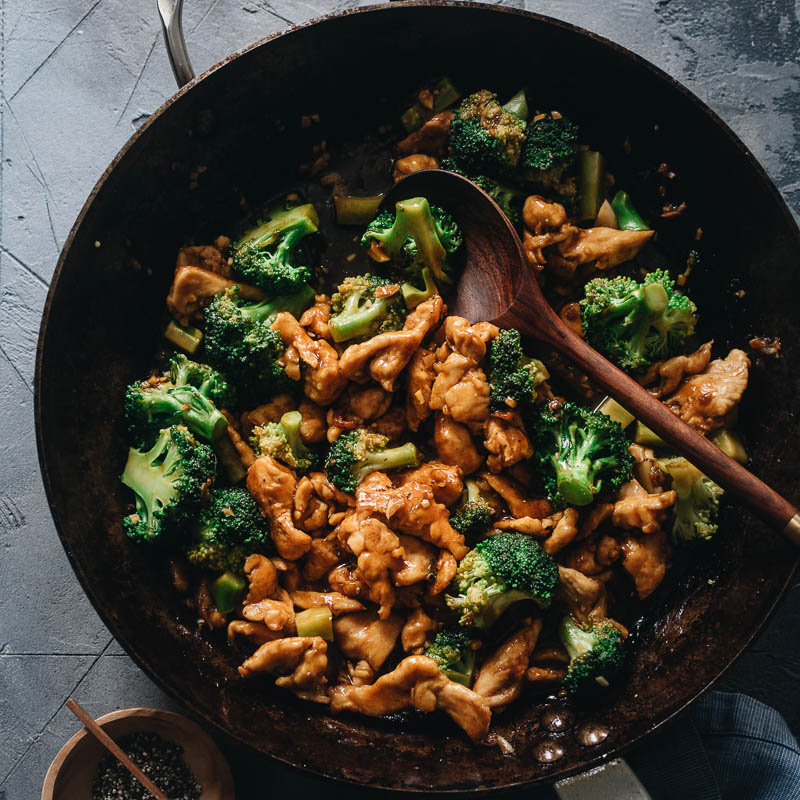
Chicken and broccoli is the Chinese takeout dish everyone knows, and this is my version that I think tastes better than the restaurant. I coat tender chicken and crisp broccoli in a glossy brown sauce that is savory, slightly sweet, and completely satisfying.
I use oyster sauce for the savory backbone and add a touch of sugar to balance the soy sauce. I finish with a cornstarch slurry that gives everything the glossy coating. I keep the ingredient list short because the dish works best when you do not overcomplicate it.
If you rarely cook Chinese stir fries at home, this is the dish I recommend starting with. It only requires one protein, one vegetable, and one sauce. No wok required, just a good skillet. Start your steamed rice while you prep, and dinner is on the table fast for your family.
General Tso’s Chicken
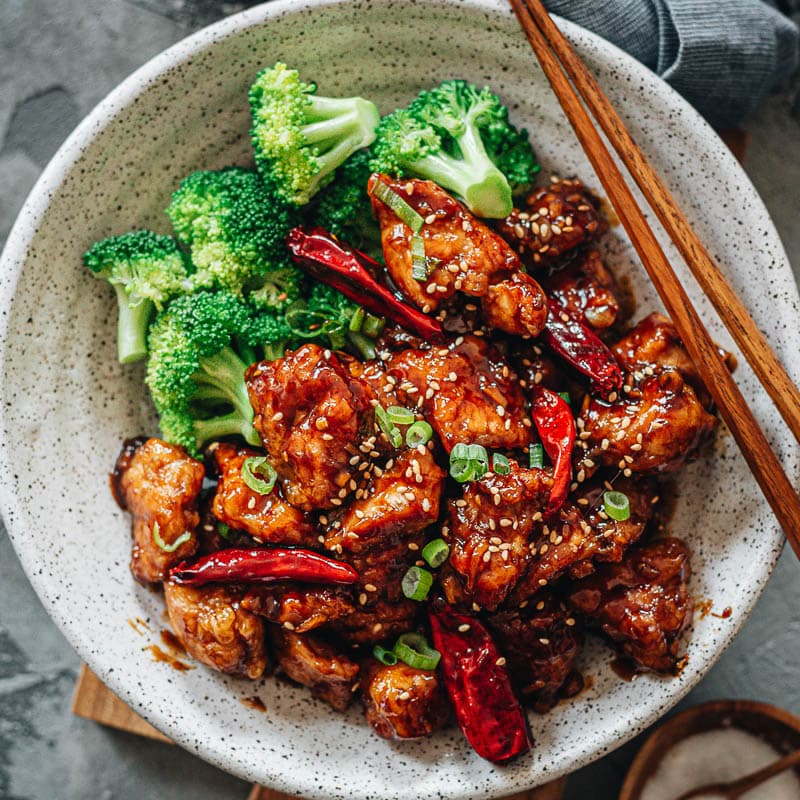
My General Tso’s chicken is crispy, sweet, tangy, and just spicy enough to keep you reaching for more. I skip the deep frying in my version but still get the crunch and sticky glaze that makes this dish so popular. Best part is that it is ready in 25 minutes.
I use a light cornstarch dredge that creates a thin, crispy shell when I pan fry the chicken. I make the sauce with soy sauce, Chinkiang vinegar, and a touch of sugar that reduces into a sticky glaze. I add dried red chilies for warmth and fragrance without too much heat.
This is one of the most practical takeout recipes I have developed because you get restaurant level results with a fraction of the oil and mess. I serve it over rice with steamed broccoli on the side, and it is always a favorite when I have my friends over for dinner.
Kung Pao Chicken (宫保鸡丁)
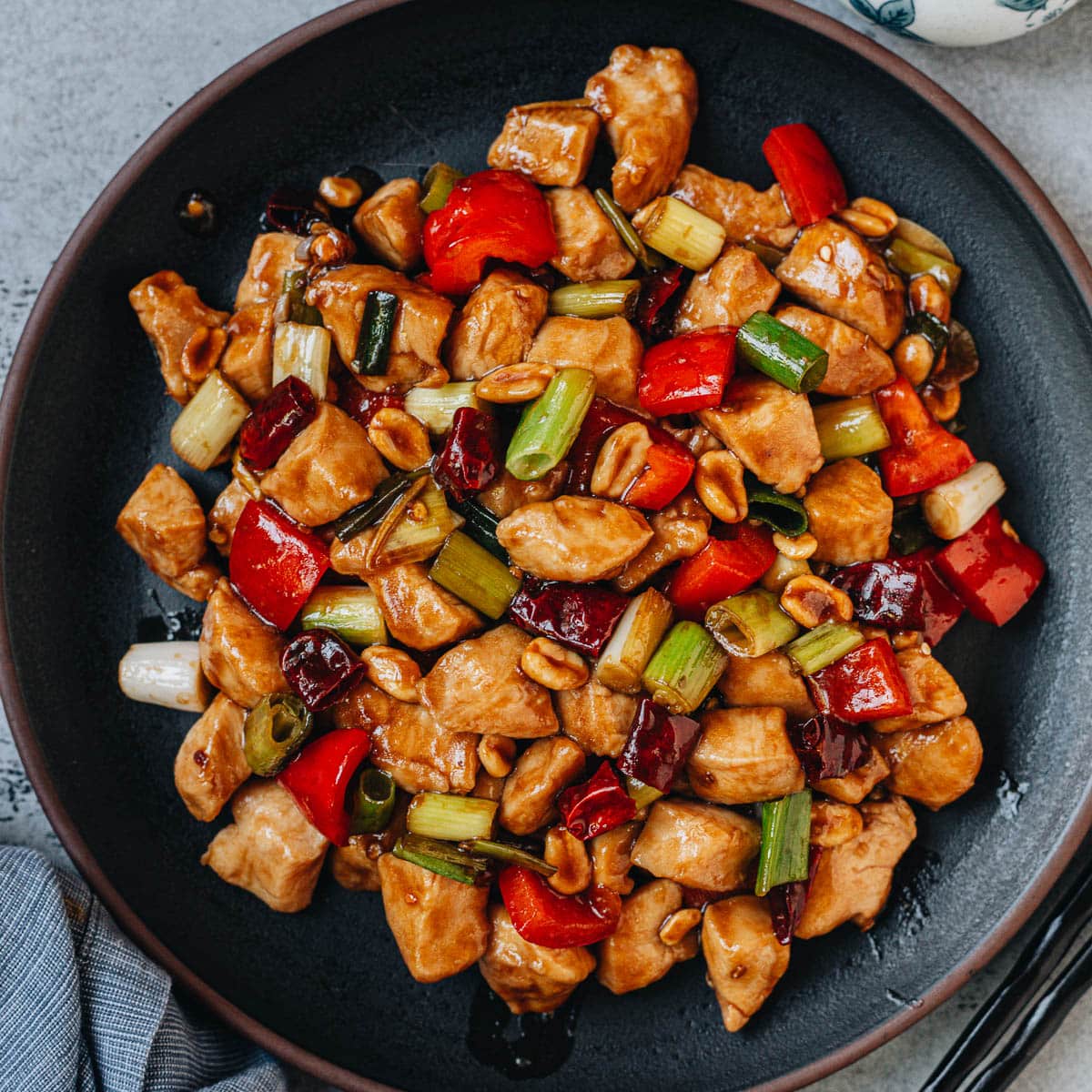
Kung pao chicken is probably the most famous Sichuan dish in the world, and the balance of spicy, sweet, sour, and savory in every bite is what makes it so addictive. I have been perfecting this 30-minute recipe for years to get it right.
I fry dried chili peppers in hot oil to infuse the whole dish with smoky warmth. I add Sichuan peppercorns for that numbing tingle that sets this apart from any generic spicy chicken recipe. I toss in roasted peanuts at the very end so they stay crunchy and give each bite a nutty flavor.
Kung pao chicken is a dish that rewards you for getting the details right. The sauce balance, the size of the chicken pieces, the order you add ingredients to the wok. Once you make it at home and taste how good it can be, trust me, you will not want to order it from a restaurant again.
Sweet and Sour Chicken
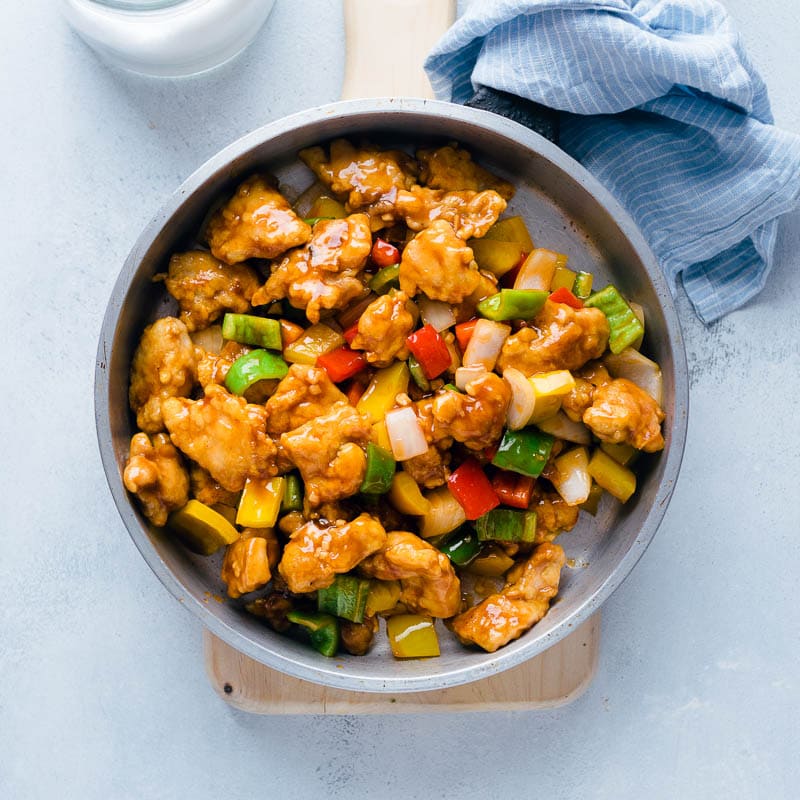
Sweet and sour chicken delivers that perfect balance of tangy and sweet that makes this dish a takeout staple. I give you crispy chicken pieces coated in a vibrant sauce, all without deep frying. Plus, I have it ready in 30 minutes!
I make the sauce with rice vinegar for the bright tang, ketchup for sweetness and red color, and a touch of soy sauce for savory depth. I coat the chicken in cornstarch before pan frying so each piece gets a light crunch that holds up under the sauce.
When I was living in Japan, sweet and sour chicken was one of the first dishes I learned to make. Most Japanese grocery stores sold chicken thighs already cut into bite sized pieces, and with zero cooking experience at the time, I went straight for those. I have been refining the recipe ever since, and this version uses less oil and sugar than most while keeping all the flavor. I highly recommend giving it a try.
Chinese Orange Chicken
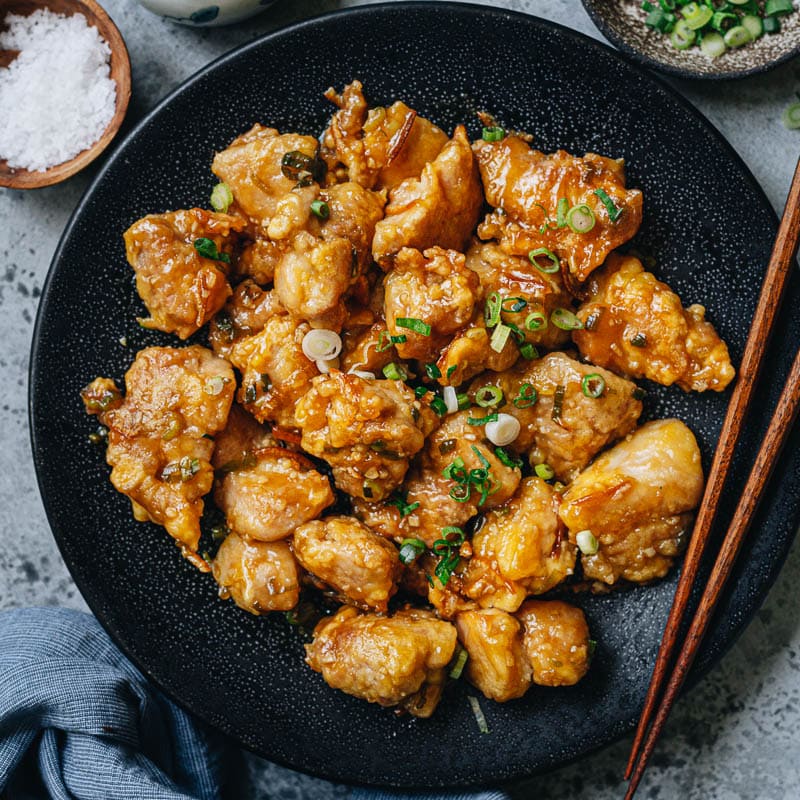
Orange chicken is one of the most popular Chinese American dishes, and I think my version proves you can make it better at home than any fast food chain. I toss crispy chicken pieces in a sticky citrusy glaze that is sweet, tangy, and impossible to stop eating. I have this ready on my table in under an hour. That’s right!
I use dried tangerine peel (chen pi) because it adds a deeper, more rounded citrus fragrance than fresh orange zest. I balance the sweetness with soy sauce and rice vinegar, and I coat the chicken in cornstarch for crunch without deep frying. The sauce reduces into a thick glaze that wraps around every piece.
If you like this dish, I recommend tracking down dried tangerine peel at a Chinese grocery store or online. It is a staple in Chinese cooking and traditional medicine, and it makes a huge difference in the depth of citrus flavor compared to using fresh peel alone. I am obsessed with this dish, that’s all I can say. Ha!
Cashew Chicken (腰果鸡丁)

My 25- minute Cashew chicken recipe combines tender chicken, crunchy cashews, and a savory ginger garlic sauce that I put together quickly for a satisfying weeknight meal my family absolutely loves.
I build the sauce on a base of oyster sauce, a small amount of Chinkiang vinegar, soy sauce, and a touch of sugar that creates a rich and complex flavor. I always use fresh ginger and garlic for the aromatic foundation. I add the roasted cashews at the very end so they stay crunchy.
This is a dish where good quality oyster sauce makes a real difference. I recommend using a high quality brand instead of hoisin sauce to create a richer result. The whole thing comes together in one pan, and leftovers reheat well for lunch the next day.
Moo Goo Gai Pan (蘑菇鸡片)
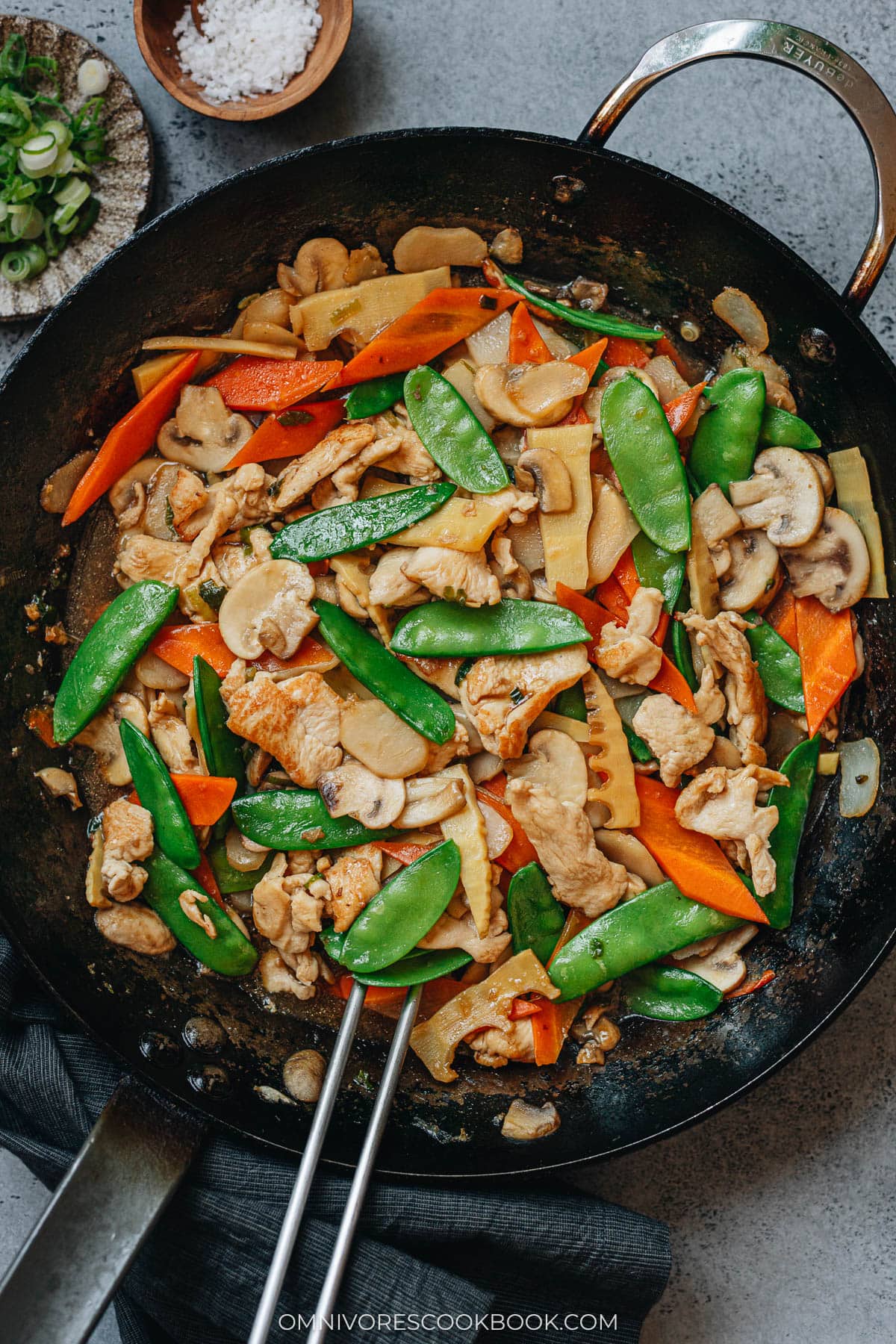
Moo goo gai pan is a Cantonese classic that proves Chinese food does not have to be spicy to be delicious. I stir fry tender sliced chicken and fresh mushrooms in a light savory sauce that lets the ingredients shine.
I keep the sauce intentionally light, using chicken broth as the base and a small amount of oyster sauce for savory depth. I velvet the chicken with a quick cornstarch marinade so every piece stays silky and tender. I cook the vegetables in stages so nothing gets soggy.
The first time I ordered moo goo gai pan at a takeout spot, I picked it because it looked lighter than everything else on the menu. I remember thinking the sauce tasted so clean and the vegetables still had crunch. My version adds more vegetables than the restaurant style, making it a nutritious and healthy meal.
Mongolian Chicken
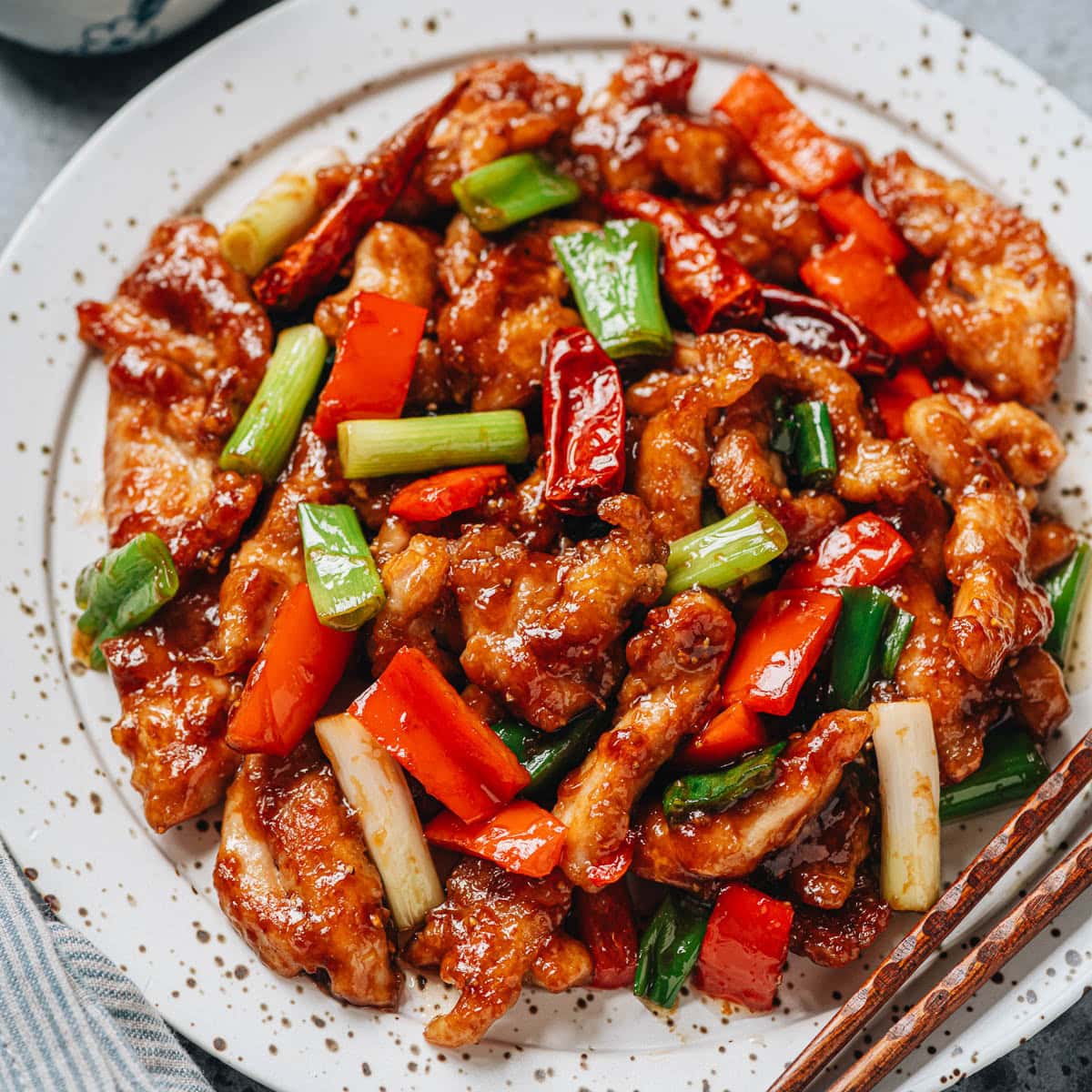
This 30-minute Mongolian chicken features tender chicken pieces in a sweet and savory sauce with plenty of green onions. Despite the name, it is not a traditional Mongolian dish but a Chinese American restaurant favorite.
I make the sauce with soy sauce and brown sugar for an amazing sweet and salty balance. I use whole dried chili pepper and a little Sichuan peppercorn as hidden flavors to add depth without too much heat. I pile on the green onions at the end for freshness and color.
I developed this as a lighter alternative to Mongolian beef that uses less oil and no deep frying. The chicken is coated with a thin layer of cornstarch and pan fried until crispy, then tossed in the sauce. It pairs perfectly with steamed rice or noodles, so I highly recommend it!
Authentic Regional Dishes
La Zi Ji (Sichuan Mala Chicken, 辣子鸡)
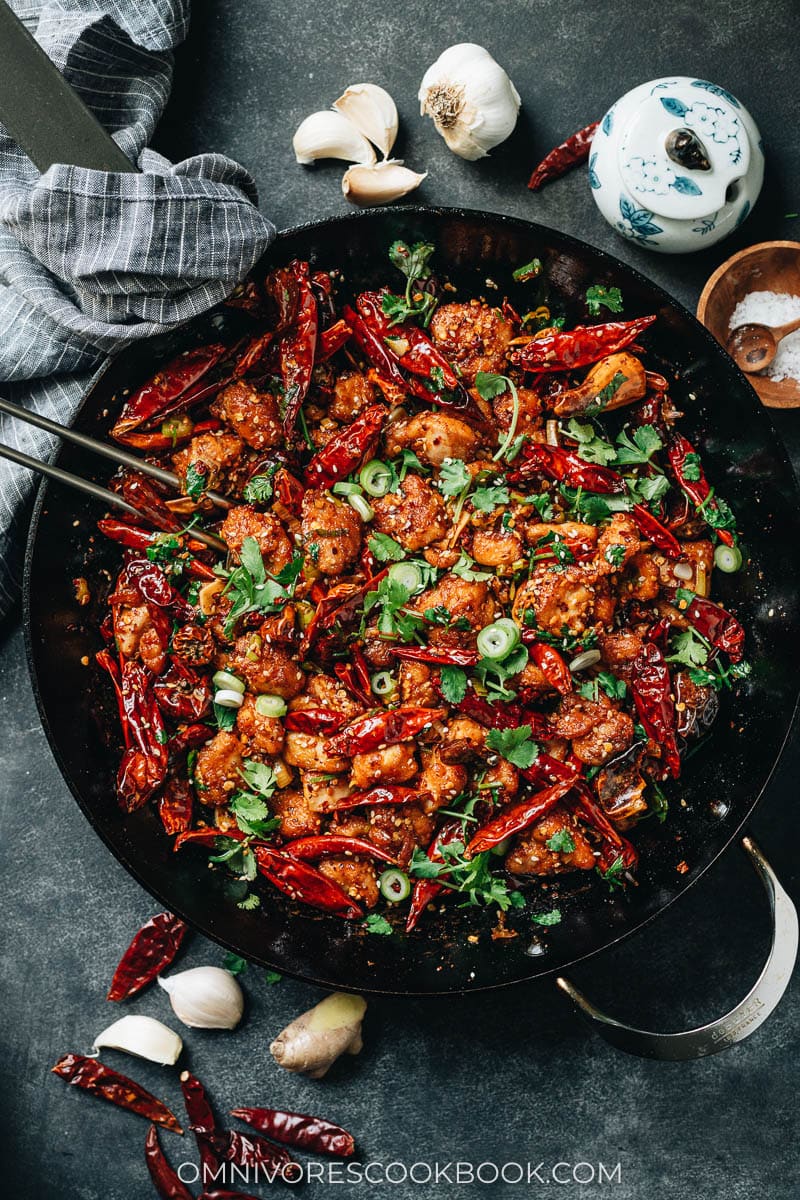
La zi ji is the Sichuan dish I cook when I want to turn heads at the dinner table. A pile of crispy chicken pieces sits under a mountain of dried red chilies, and the whole thing looks like it might destroy you. It will not. The chilies are there to flavor the oil, not to be eaten, and the chicken underneath is golden, savory, and just the right amount of spicy.
I use dried facing heaven chilies because they release a smoky fragrance when they hit the hot oil. I add a generous handful of Sichuan peppercorns that bloom in the heat and create that numbing tingle across your lips. I always marinate the chicken thighs with soy sauce and Shaoxing wine first so the flavor comes through from the inside out.
During my years working in Beijing, I took every single foreign colleague to my favorite Sichuan restaurant, Yu Xiang Ren Jia (渝乡人家). Mala chicken was always on our table, and I confess I secretly loved watching their stunned faces when the giant plate of chilies was set before them. They would cautiously dig up a piece of chicken with suspicion, then always end up loving it. Ha!
Three Cup Chicken (三杯鸡)
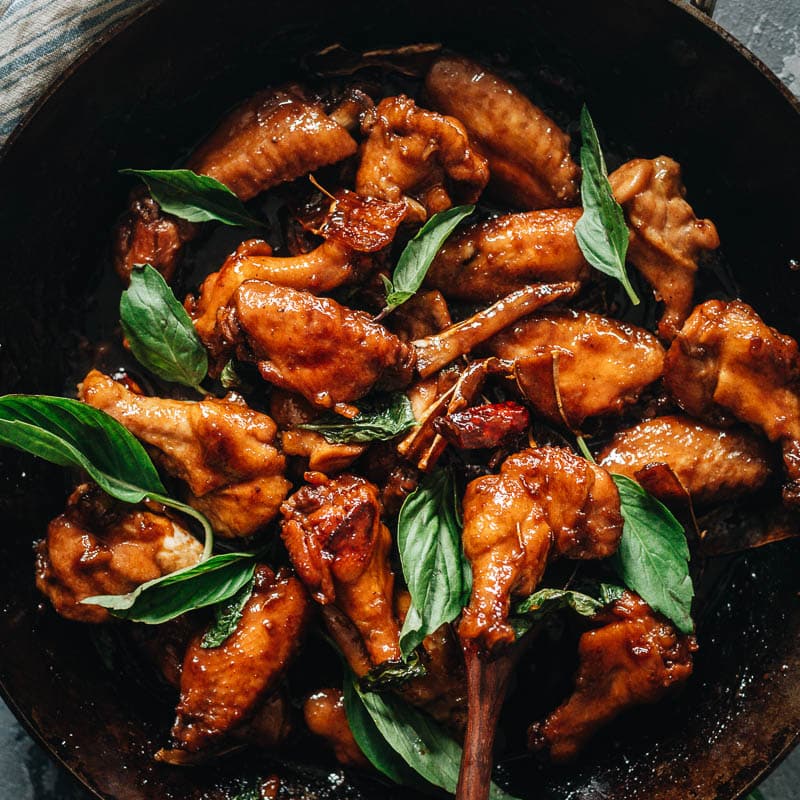
Three cup chicken is one of the most iconic Taiwanese dishes, and the name comes from the traditional ratio of 1 cup each of sesame oil, soy sauce, and rice wine. The dish is believed to have originated in Jiangxi province over 700 years ago before becoming a staple of Taiwanese home cooking.
I start by slowly caramelizing ginger slices in sesame oil, then I add smashed garlic and dried chilies to build the aromatic base. I sear the chicken in the same pan, then braise it in Shaoxing wine and soy sauce until the liquid reduces into a thick sticky glaze. I add a handful of fresh Thai basil at the very end, and it wilts into the sauce releasing an herbal perfume that defines this dish.
I started making three cup chicken after eating it at Taiwanese restaurants, where every place had their own version bubbling away in clay pots. I came home and tested it over and over until I got a version that works with what I can find at my local grocery store, and my husband now requests it at least twice a month. So good!
Mouthwatering Sichuan Chicken (口水鸡, Kou Shui Ji)
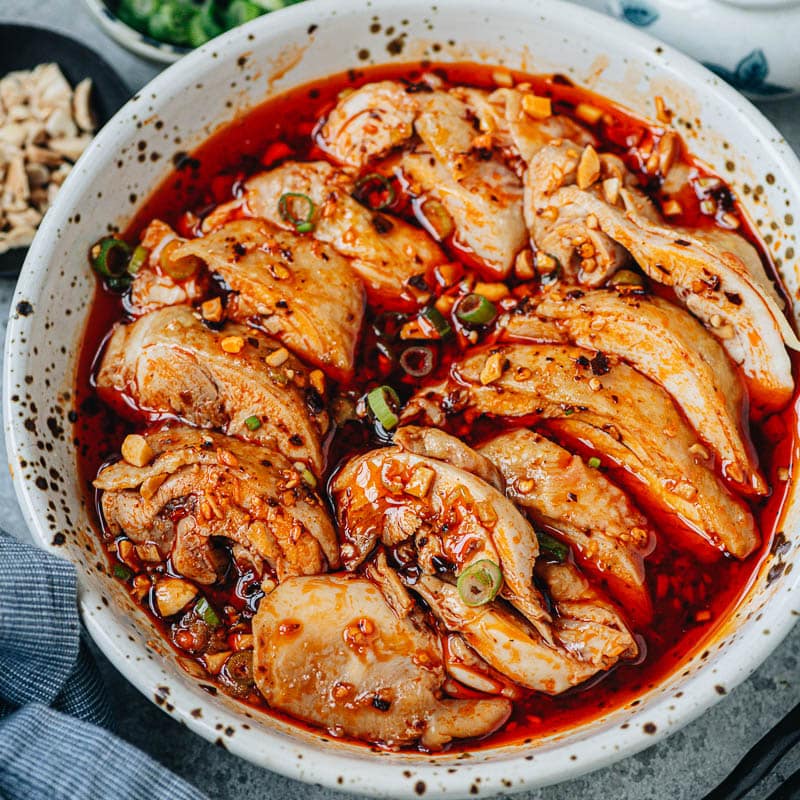
The name might sound unusual, but kou shui ji means “mouth watering chicken,” and that is exactly what it is. I poach the chicken, chill it, slice it, and drench it in a spicy, numbing, savory sauce that wakes up every sense. I have it ready in 45 minutes plus chilling, and it is perfect for hot weather cooking or making ahead.
I use homemade chili oil as the star of the sauce because it provides the vibrant red color and fragrant heat that defines this dish. I add Sichuan peppercorns for that numbing tingle and seasoned sweet soy sauce for richness that balances the spice.
This is one of my favorite make ahead dishes because I can prepare it on the weekend and have it ready for easy lunches or as an appetizer when people come over. I just slice it, pour the sauce over, and set it on the table. It is a dish that looks impressive but requires very little active cooking.
Salt and Pepper Chicken (椒盐鸡)
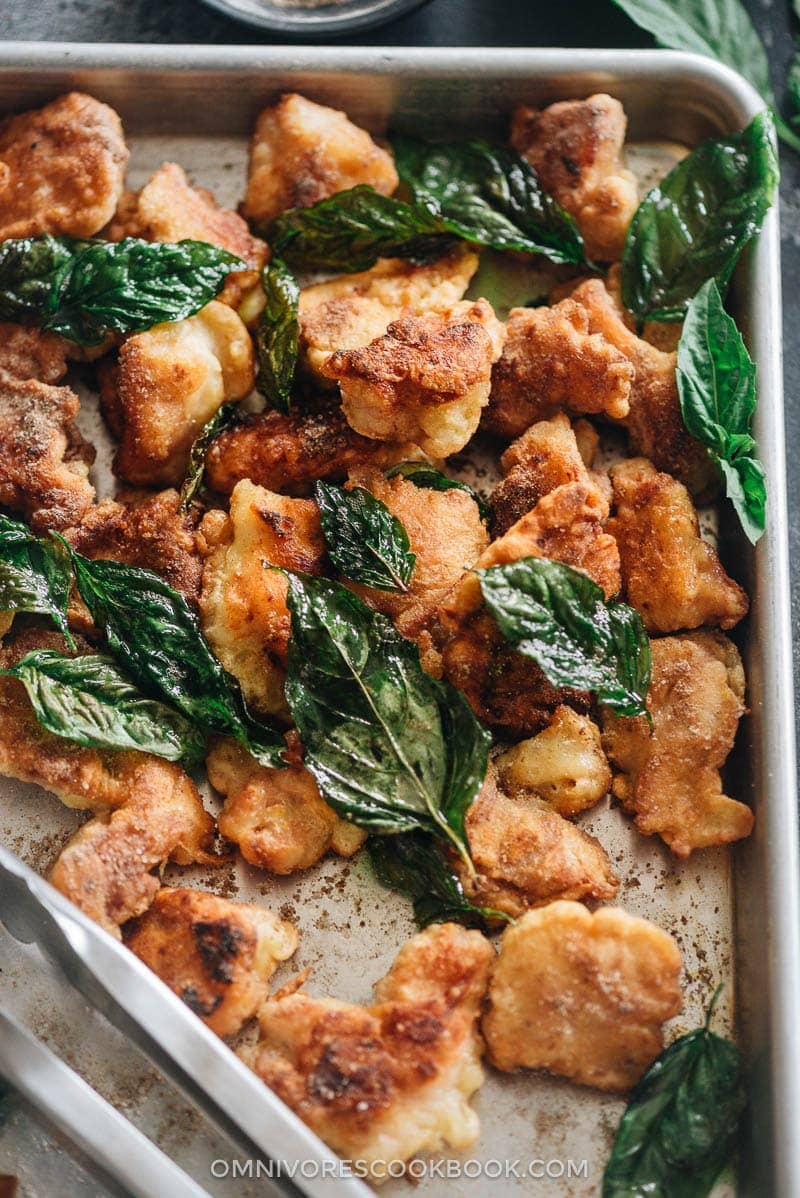
Salt and pepper chicken is one of the most popular street foods in Taiwan. At night markets across the island, vendors fry bite sized pieces of chicken until golden and toss them with a fragrant spice mix of white pepper, five spice, and garlic. I skip the deep frying in my version but still deliver the same crispy seasoned crunch. I have it ready in 25 minutes plus marinating.
I make the marinade with brown sugar, fresh ginger, and garlic that soak into the chicken and build a layered flavor. I use a simple cornstarch and egg batter that creates a thin, crispy coating that holds up even after the chicken cools down. I toss everything with my five spice and white pepper seasoning mix at the very end so it stays punchy and aromatic.
This works as a snack, an appetizer, or part of a bigger spread. The cooking method uses a fraction of the oil compared to deep frying, but the batter creates a crispy result that holds up well. If you love Taiwanese night market food, this is the recipe that brings it home.
White Cut Chicken (白切鸡)
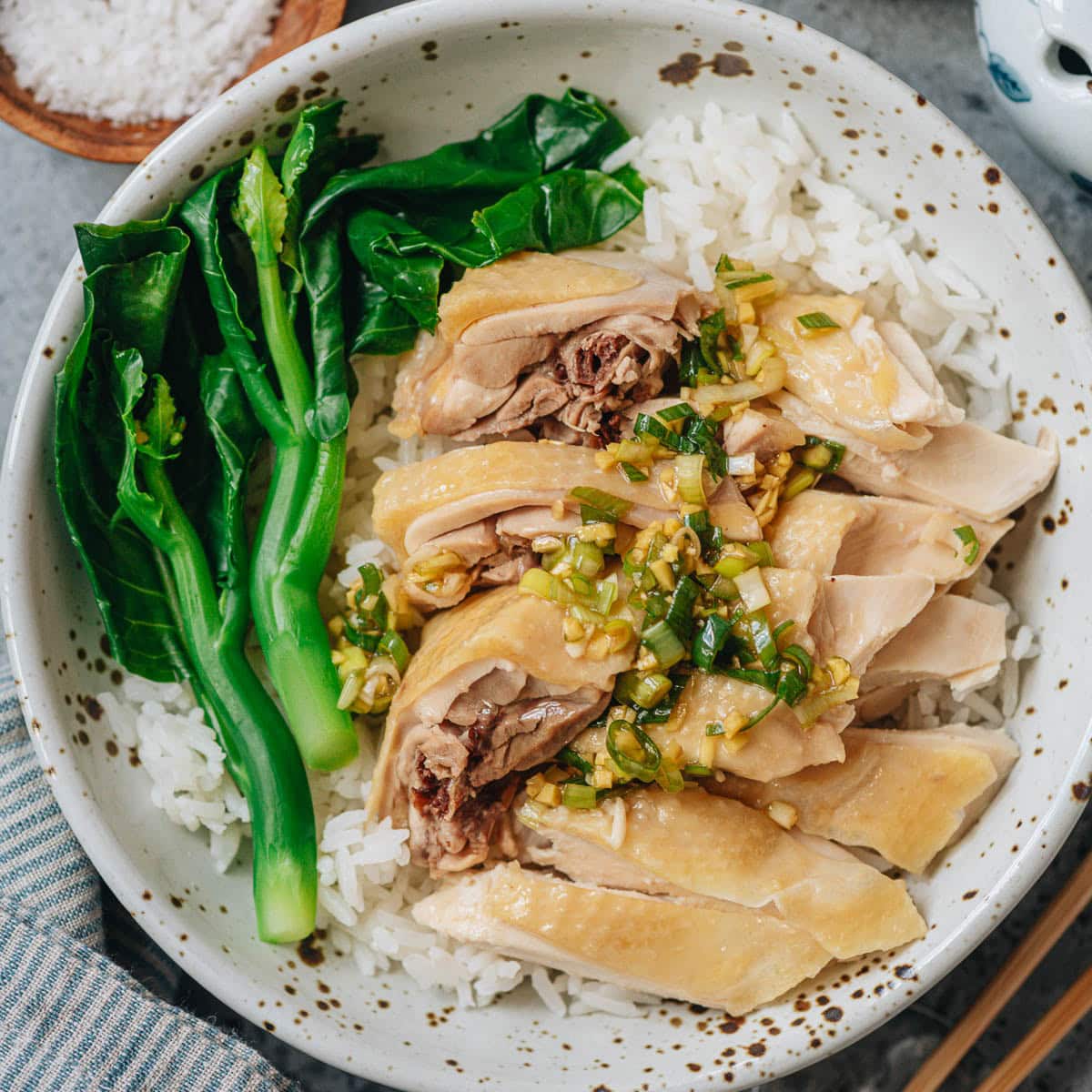
White cut chicken, or bai qie ji, is the dish that shows you how good chicken can taste when you do almost nothing to it. I poach a whole chicken with a handful of aromatics until the meat is silky and tender, then chill it and serve it with a ginger scallion dipping sauce. It is the purest expression of Cantonese cooking: perfect technique, perfect ingredients, no hiding behind heavy sauces.
I use a gentle simmering method so the chicken cooks through without drying out. I add a dry brine step before poaching and a splash of Shaoxing wine to the liquid, which makes the dish even more flavorful. I find that a small, high quality chicken is the most important ingredient here since there is no heavy seasoning to mask a bland bird.
White cut chicken is a staple on Cantonese holiday tables and at banquets. I serve it sliced on a platter with ginger scallion sauce on the side and steamed rice. If you want to understand what Cantonese home cooking is really about, this is the dish that captures it.
Braised Chestnut Chicken (板栗炖鸡)
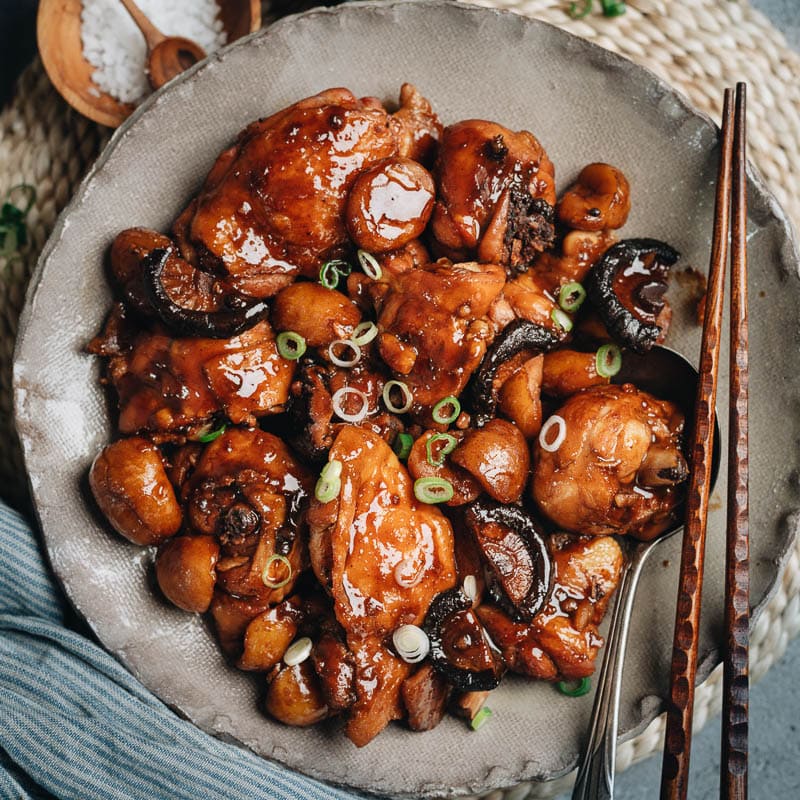
Braised chestnut chicken is a comforting dish that I enjoyed eating growing up in China. Chicken pieces are braised with chestnuts in a savory soy sauce gravy until the meat is fall off the bone tender and the chestnuts turn sweet and creamy.
I love how the chestnuts absorb the savory sauce as they braise and develop a sweet, starchy richness that contrasts with the tender chicken. I use soy sauce, Shaoxing wine, and rock sugar to create a balanced braising liquid. The technique requires a bit of extra love compared to a simple stir fry, but the result is worth it.
Once this dish is done, my kitchen smells so good it makes me feel like I am back in my mom’s kitchen. I make it in the fall when fresh chestnuts are in season, but it works year round with frozen or vacuum packed chestnuts from the Asian grocery store. I serve it over steamed rice and let the sauce soak into every grain. This recipe is a must try!
Stir Fries and Weeknight Meals
Chicken with Black Bean Sauce (豉汁爆鸡球)
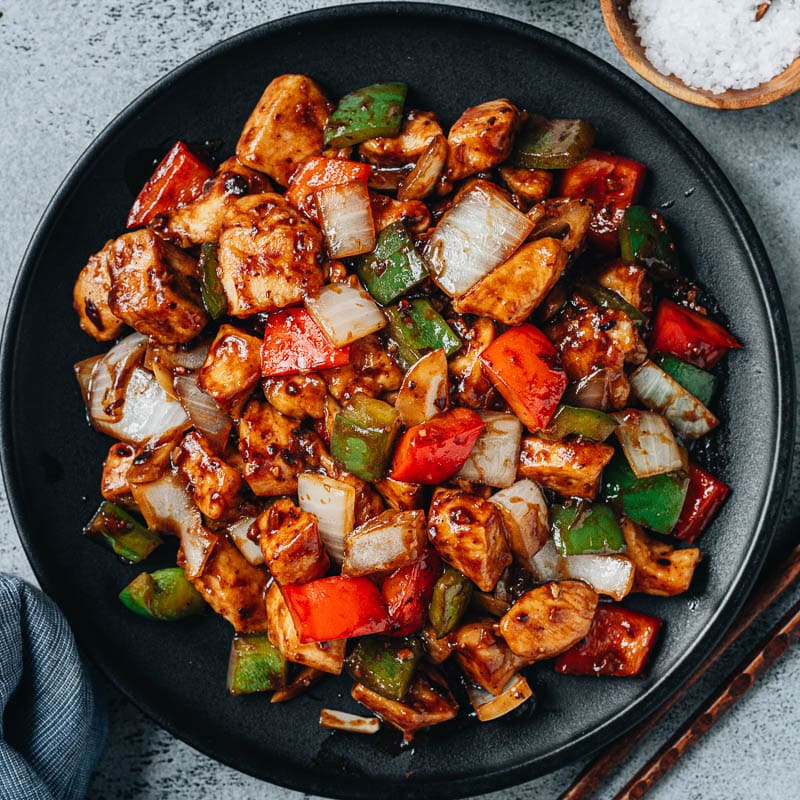
Chicken with black bean sauce is a Chinese takeout classic that features tender juicy chicken bites stir fried with crisp vegetables and finished with a rich savory sauce. I love that I can have it ready in 25 minutes.
I use fermented black beans because they add a salty richness that no other ingredient can replicate. I build the aromatic base with white onion, fresh garlic, and ginger. If you have time, I recommend using my homemade black bean sauce for the best result, but bottled sauce works well too.
This is one of those dishes that is fast enough for a weeknight but flavorful enough to impress. The technique is the same as most of my stir fries: sear the chicken first, remove it, cook the aromatics and vegetables, then toss everything together at the end. Once you have the workflow down, it becomes second nature. I hope you give it a try!
Chinese Mushroom Chicken Stir Fry
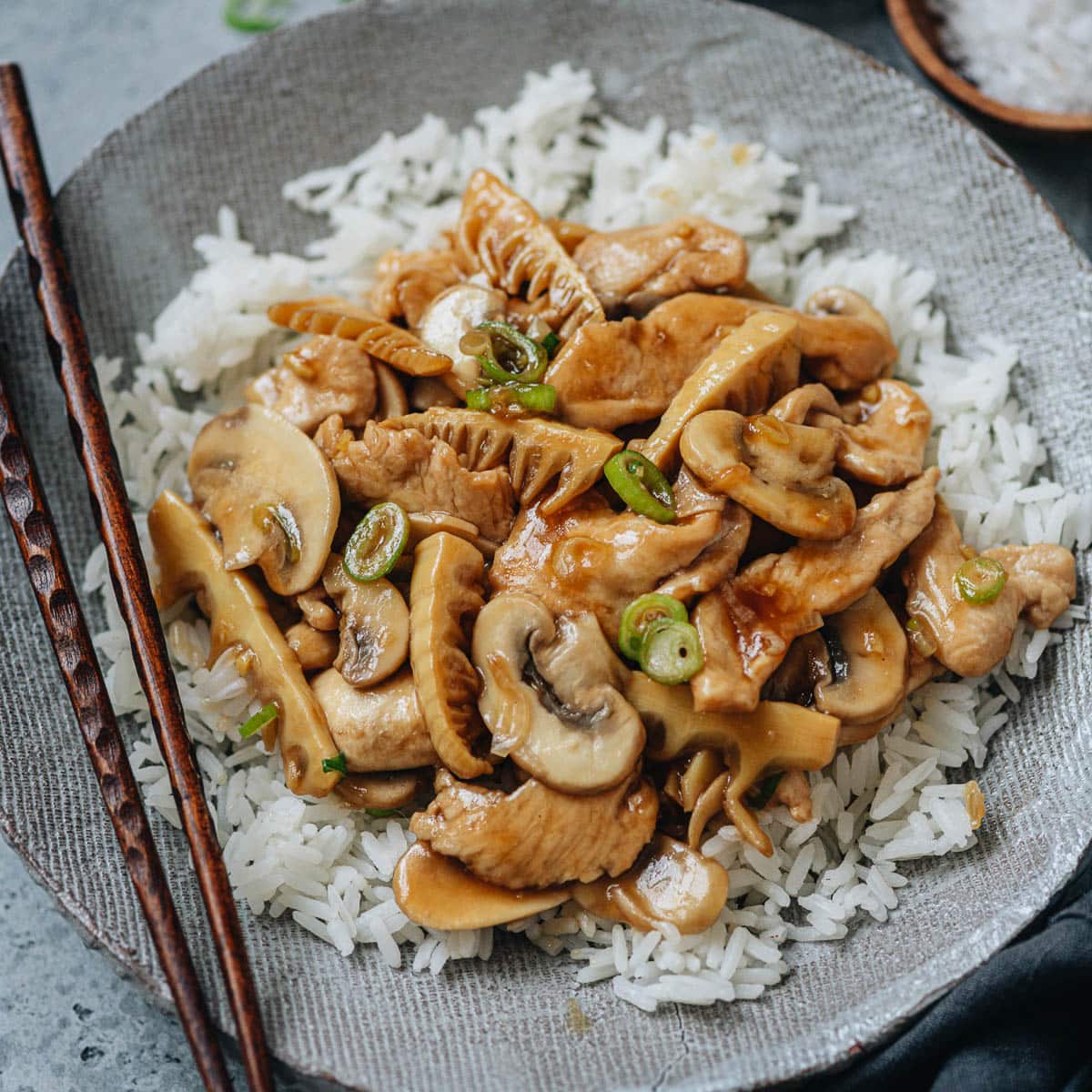
Chinese mushroom chicken is one of the most classic Chinese home cooking dishes. I stir fry juicy chicken and tender mushrooms together in a savory sauce that brings out the best in both ingredients.
I use chicken breast or thigh, marinated with cornstarch to keep it tender, and pair it with fresh mushrooms and crisp bamboo shoots. I make the sauce with oyster sauce and soy sauce for a simple base that tastes great with the vegetables.
Since moving to the US, I have been amazed at how trying American Chinese food opened my mind toward the food of my own culture. There is a braised mushroom chicken in traditional Chinese cooking that I often ate growing up, made with bone in chicken and dried shiitake mushrooms. This stir fried version is quicker and just as hearty.
Hunan Chicken
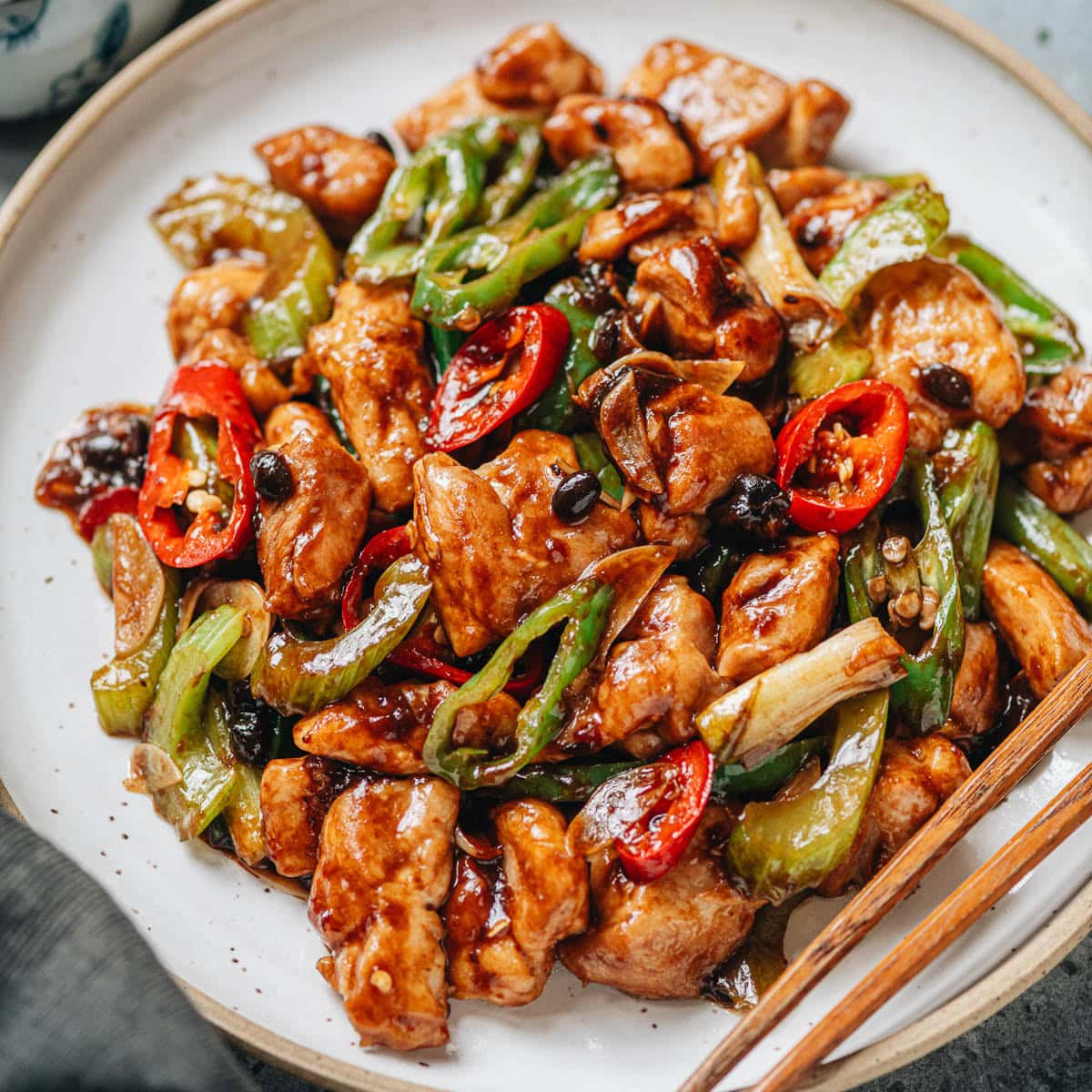
Hunan chicken is for anyone who loves spicy food but wants something different from Sichuan heat. While Sichuan cuisine relies on the numbing tingle of peppercorns, Hunan cooking focuses on a pure, intense heat that builds with each bite.
I use a mix of fresh red chilies and generous amounts of ginger, garlic, and scallion for depth and complexity. I add fermented black beans for umami rich flavor. Unlike the Americanized version with a thick, sugary sauce, my recipe has a lighter yet richer sauce made with oyster sauce, wine, and soy sauce.
This is my take on a dish that does not actually exist in China the way Western Chinese restaurants serve it. I wanted to create something that captures the real Hunan flavor profile: direct fiery heat, heavy aromatics, and fermented ingredients. It is a great dish if you want to explore flavors beyond Sichuan.
Ginger Chicken Stir Fry
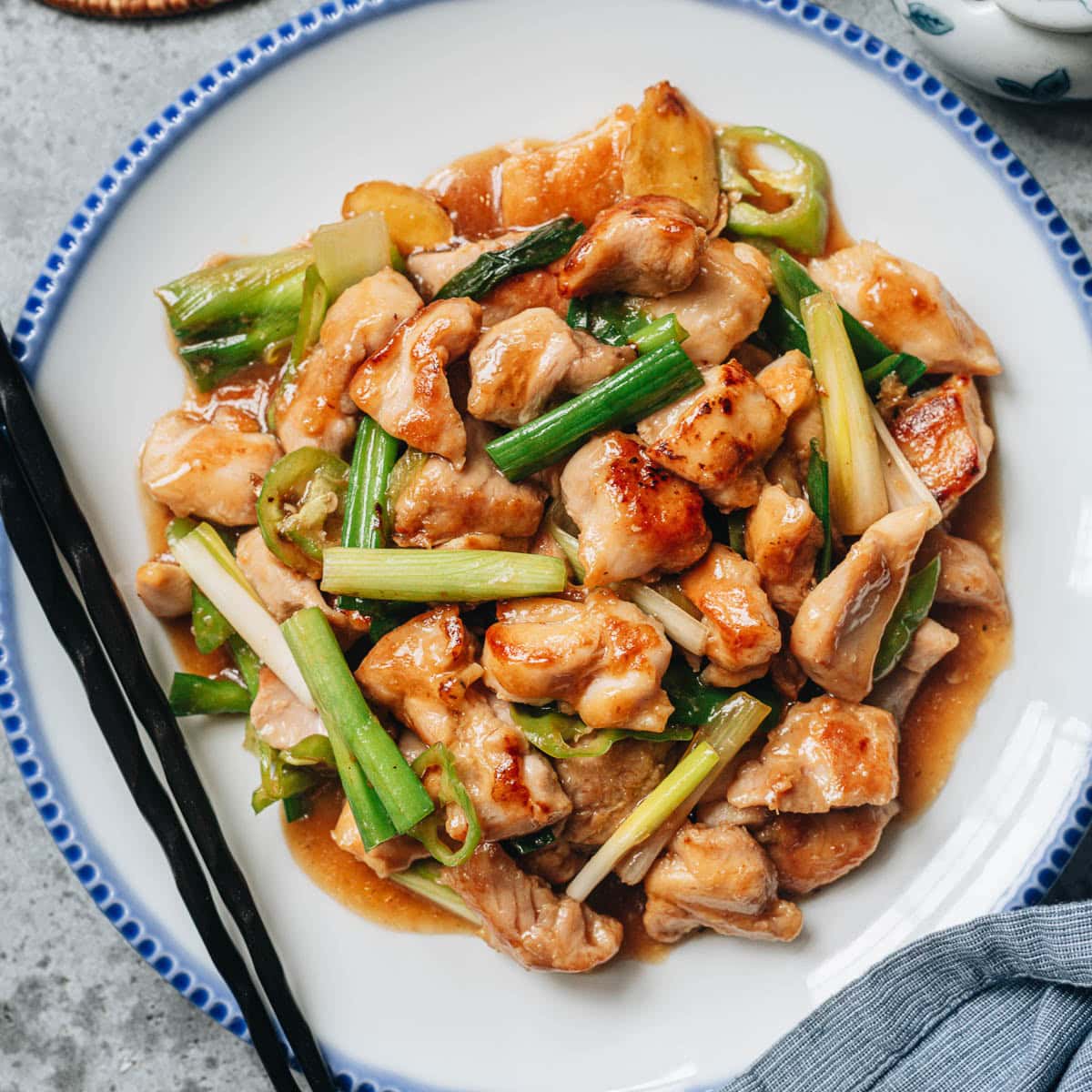
Ginger chicken, or laojiang ji (老姜鸡), is the Chinese equivalent of comfort food in a pan. I stir fry tender chicken with plenty of old ginger in a simple, savory sauce that is warming and aromatic without being heavy.
I marinate the chicken with grated ginger first so the flavor comes through from the inside out. I use old ginger, which has a strong, peppery flavor that stands up to the high heat of the wok. I toss the chicken until the pieces are charred on the edges, deglaze with Shaoxing wine, then stir in a simple sauce that thickens in seconds.
Growing up in Beijing, ginger chicken was always a meal my family made regularly, especially in the colder months when ginger warms you up from the inside. It is one of the fastest dinners I make, and the leftovers reheat perfectly for lunch the next day. Check out my Chinese leftovers chicken recipes for more ideas.
Air Fryer Sweet and Sour Chicken
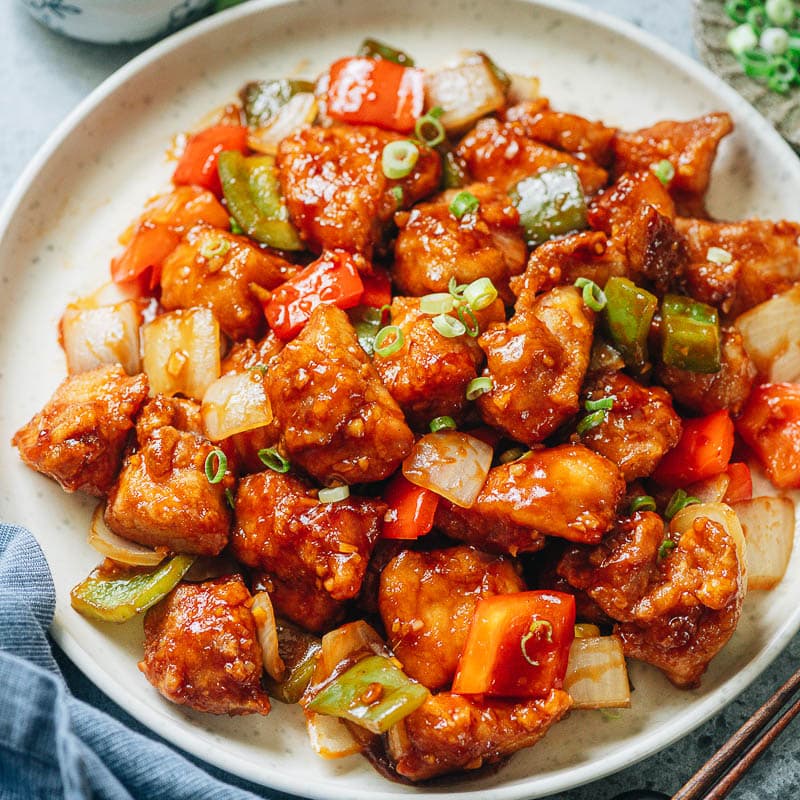
Air fryer sweet and sour chicken gives you that crispy, saucy takeout experience with a fraction of the oil and mess. I coat chicken pieces in a light batter, air fry them until golden and crunchy, then toss them in a tangy, sweet sauce that clings to every piece.
I use the air fryer to get crispy, golden chicken without standing over a pot of hot oil. I make the sauce on the stove while the chicken cooks, so everything comes together at the same time. I add vegetables to the sauce for color and freshness, because I always prefer my sweet and sour chicken with veggies even though many restaurants skip them.
After I posted my no deep fry sweet and sour chicken, I kept getting asked how to make the dish in the air fryer. Making it in the air fryer does not save a lot of time since you still need to make the sauce on the stove, but it is more hands off and you need even less oil to get extra crispy chicken.
That is my list of 20 Chinese chicken recipes I keep coming back to. If I had to pick just one to start with, I would go with black pepper chicken because it is quick to make and gives you a taste of what a good stir fry can do. From there, work your way through the takeout classics, then challenge yourself with something like white cut chicken or saliva chicken to see a completely different side of Chinese cooking. I would love to hear which one you try first.
ANNA DEENY
I love your cooking recipes, clear instructions and attitude about food!
I purchased the hard cover vegetable cookbook, it’s wonderful.
When are you going to put out a meat and/or soup cookbook?
…. especially if it has Korean soft tofu stew as one of the recipes. YUM.
Thank you for your blog.
Anna~
Bellingham, Washington
Mientra
Dankje wel voor je recepten.Super
Andre Havenga
Hi Maggie, we live in Cape Town South Africa and really love Chinese food and my wife has started using some of your recipes which are very easy to make but can you please tell me where I can buy your cookbook as it does not seem to be available here and I would like to give it to her on her 80th birthday . Keep up the good work, Andre
Dinesh banjare
1 no Chinese food
Amrit lamichhane
All food looks amazing and yummy