
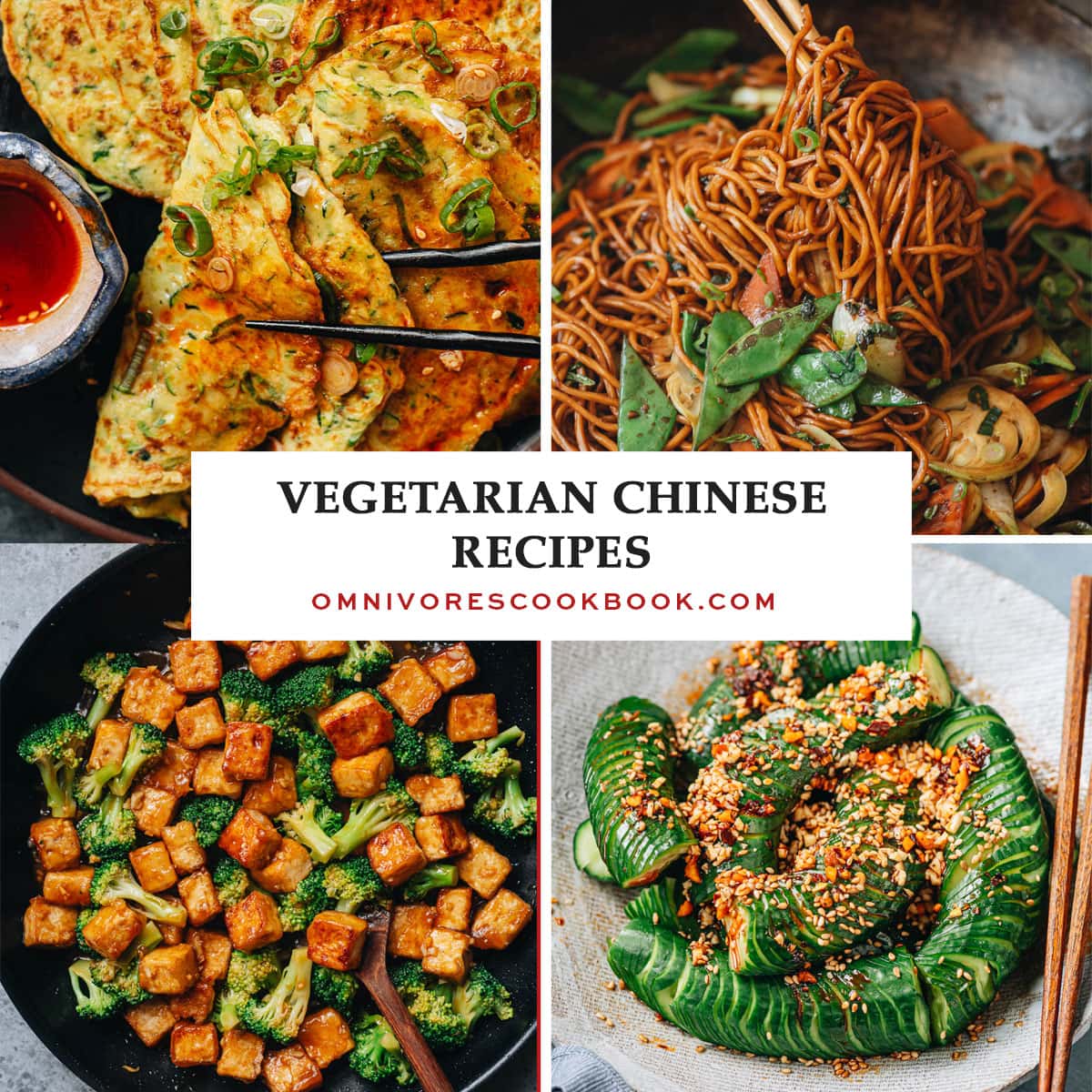
Why I Love Vegetarian Chinese Recipes
Growing up in Beijing, many of the dishes my mom cooked at home were naturally vegetarian without anyone thinking twice about it. Stir fried vegetables, cold salads dressed with soy sauce and vinegar, bowls of noodles tossed in sesame paste, and silky steamed eggs were all part of our everyday meals. Vegetarian cooking has deep roots in Chinese culture, from Buddhist temple kitchens that have perfected meatless dishes for centuries to the simple home cooking that makes vegetables the star rather than an afterthought.
Now that I cook for my own family in New York, I still go for vegetarian recipes several times a week. My husband loves a good tofu stir fry, and my son happily eats noodles tossed in peanut sauce without ever asking where the meat is. I love how Chinese vegetarian cooking uses bold seasonings like soy sauce, sesame oil, chili crisp, and Sichuan peppercorns to create dishes that are just as satisfying as anything with meat. The flavors are big and the prep is usually quick, which is exactly what I need on a busy weeknight.
I put together 20 of my favorite vegetarian Chinese recipes that I hope will inspire you to cook more plant based meals at home. You will find everything from quick breakfast pancakes and refreshing cold salads to hearty noodle bowls and traditional festival desserts. I hope you give any of these a try!
20 Best Vegetarian Chinese Recipes
Each one of these 20 vegetarian recipes has been tested and loved by my family and readers. I organized them by category so you can easily find what you are looking for, whether it is a quick breakfast, a light side dish, a satisfying main, or a traditional Chinese dessert.
Breakfast
Chinese Zucchini Pancakes (糊塌子)
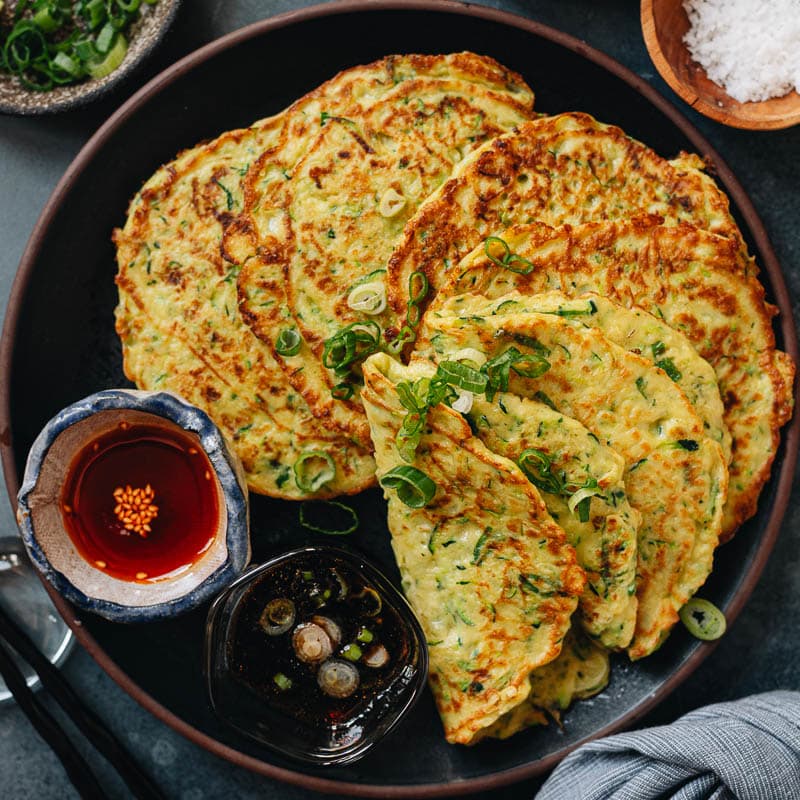
These Chinese Zucchini Pancakes remind me of weekend mornings at my grandma’s house in Beijing, where she would grate zucchini and have crispy pancakes on the table before I finished setting the chopsticks. I picked this recipe because it is the kind of simple comfort food that shows how Northern Chinese home cooking makes the most of what you have. The total time is 48 minutes including the resting time for the zucchini, so it fits perfectly into a weekend breakfast routine.
My recipe is built on three ingredients that work together great. I grate fresh zucchini, which releases natural moisture and creates a light batter without adding water. Eggs bind everything together and add a soft richness to each bite. A small amount of flour gives the pancakes just enough structure so they stay put in the pan while staying tender inside.
I love serving these pancakes hot from the pan with a small dish of soy sauce and chili oil for dipping. On weekends, I make a big batch and set them out with congee and pickles for a nice Beijing style breakfast spread. I highly recommend giving these a try!
Chinese Steamed Eggs (鸡蛋羹)
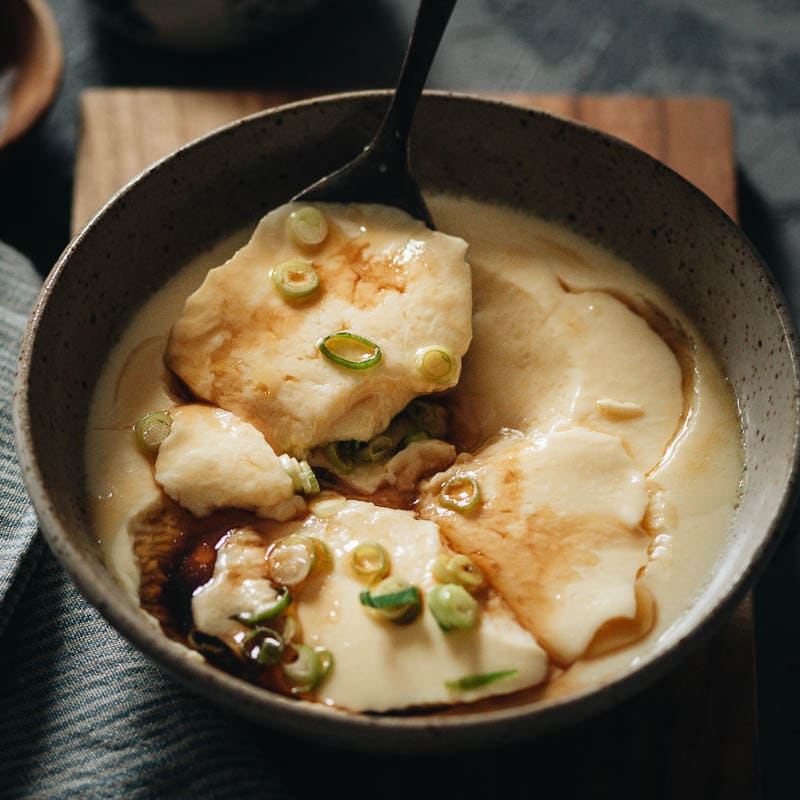
Chinese Steamed Eggs is one of the first dishes my mom taught me to cook, and it is still something I make often for my family today. I chose it for this collection because it is the definition of simple Chinese comfort food. The whole process takes about 18 minutes, and the result is a silky custard that melts in your mouth.
The recipe depends on three essential components. Fresh eggs are the heart of the dish and create the smooth custard texture I love. Warm water is mixed with the eggs at a specific ratio to keep the custard soft and delicate rather than dense. A light drizzle of sesame oil at the end adds a warm fragrance that lifts the whole dish and makes it taste like home.
I serve Chinese Steamed Eggs as a gentle side dish alongside rice and a stir fry, or on its own as a light breakfast or snack. The beauty of this recipe is that it requires almost nothing from the pantry, yet it delivers a dish that is comforting and nourishing. My mom made this for me growing up, and now I make it for my son. I hope you add it to your routine too.
Egg and Green Onion Crepe
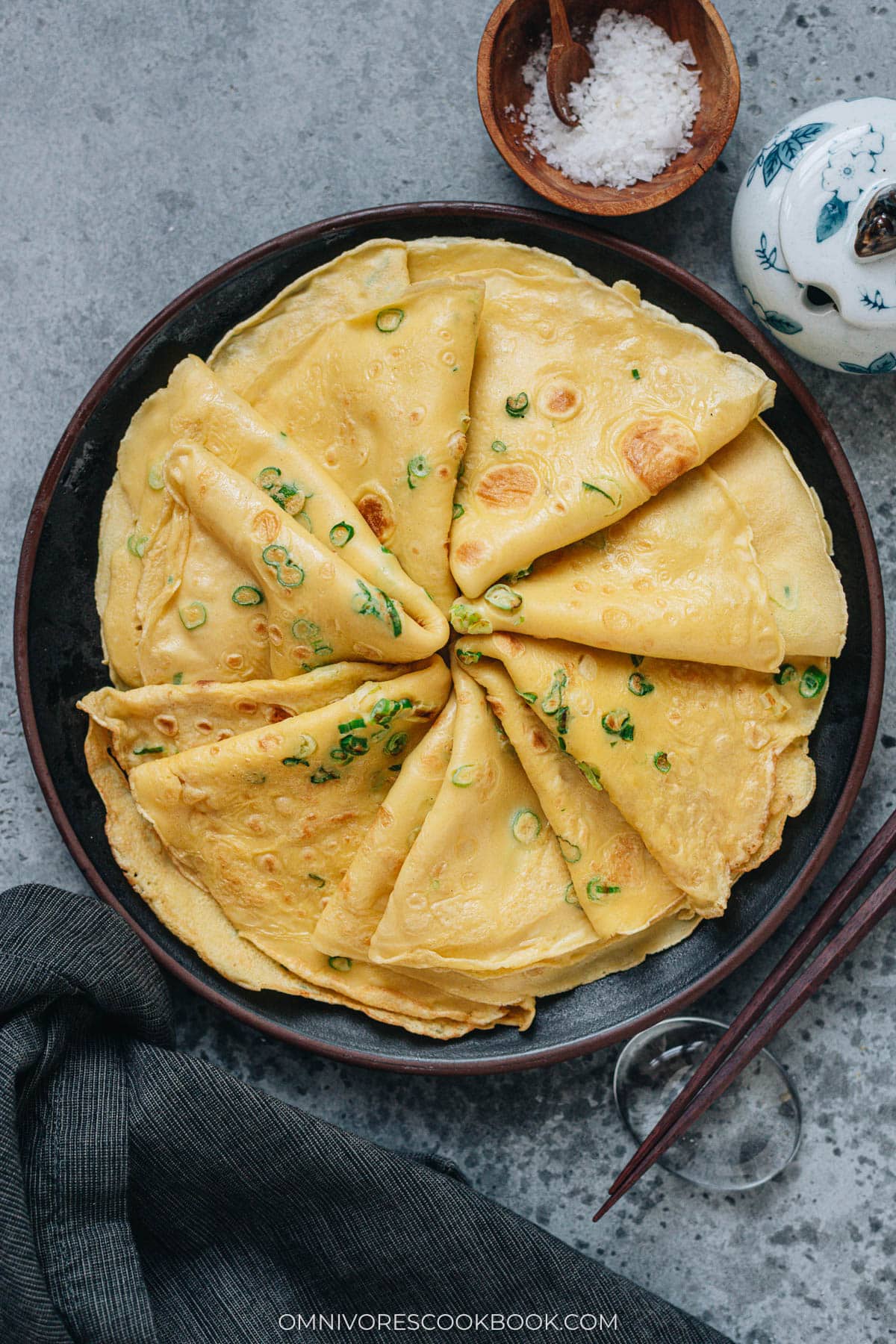
This Egg and Green Onion Crepe takes me back to my grandma’s kitchen on mornings when the pantry was nearly empty but she still put something warm and filling on the table. I picked this recipe because it shows how Chinese home cooking values making the most of a few basic ingredients. I love that is ready in under 30 minutes and you probably already have everything you need.
To make this recipe I use three simple ingredients to build the batter. Eggs provide richness and create a tender center with crisp edges when the crepe hits the hot pan. All purpose flour gives the batter just enough body to spread thin without falling apart. Green onions are stirred in generously for a fresh savory flavor that makes the crepe taste amazing.
I enjoy eating this crepe on its own for a quick breakfast or cutting it into strips and serving it alongside a bowl of congee. When my husband wants something fast before heading out, this is my go to because I can have it ready in the time it takes him to pour his coffee. Ha!
Appetizers, Snacks, and Sides
Spicy Cucumber Salad
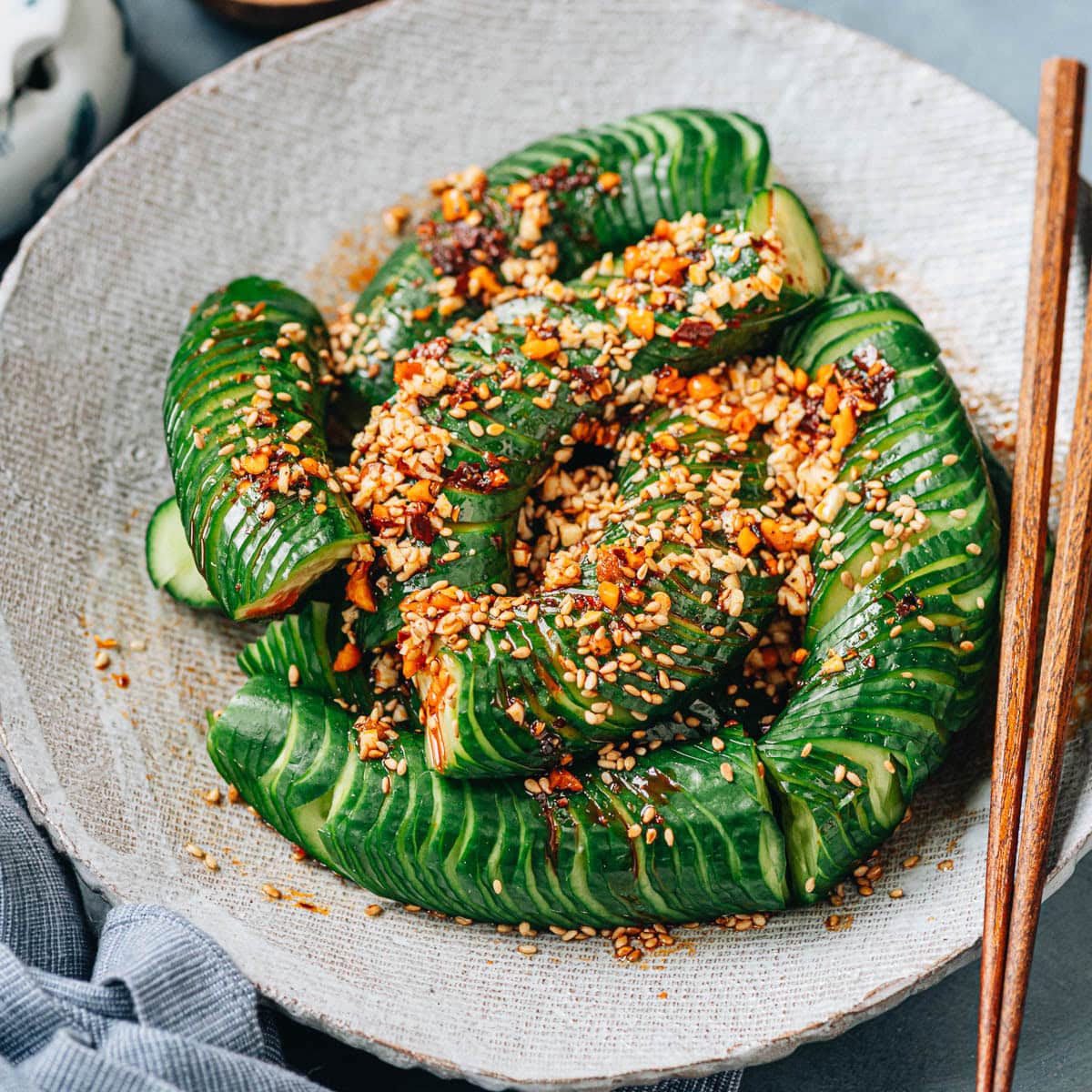
Salads have been a big part of my family’s meals since I was a kid, and this Spicy Cucumber Salad is one I make all year long. I chose this recipe because it is the kind of side dish I always want on the table next to heavier main courses. The total time is about 20 minutes with very little prep, and it adds a refreshing crunch to any spread.
The dressing comes together from three key ingredients. Rice vinegar creates a bright tang that balances the richness of whatever main dish I am serving. Soy sauce provides the savory backbone without overpowering the cucumber. Chili oil is the ingredient that ties everything together.
I always have this salad on the table when I make vegetable lo mein or any fried rice. The cool crunch of the cucumber against something hot and savory is one of my favorite contrasts in Chinese cooking. So good!
Wood Ear Mushroom Salad (凉拌木耳)
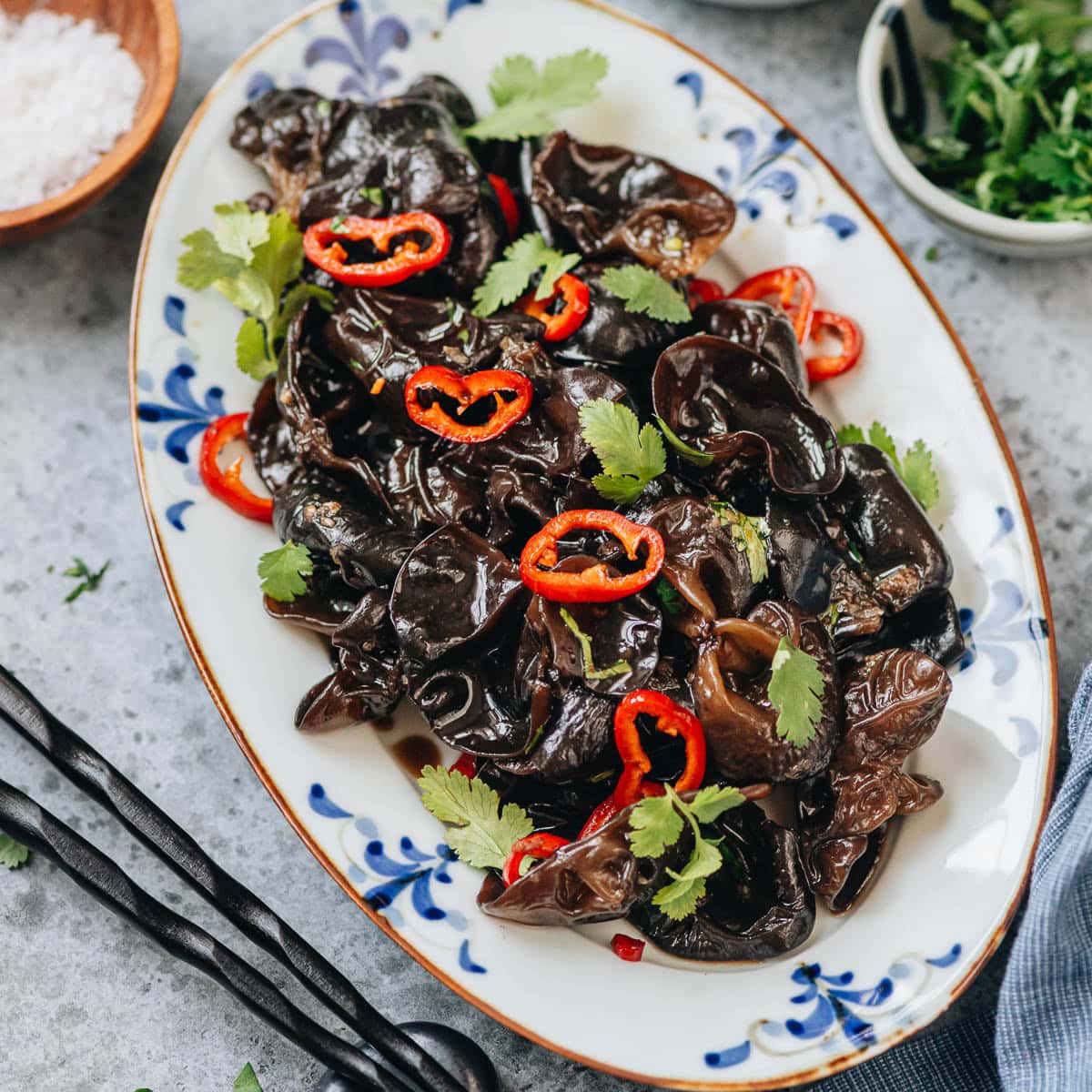
If you have never tried wood ear mushroom salad, you are missing one of the most popular cold dishes in Chinese home cooking. My mom used to make this version regularly, and I picked it for my collection because it introduces an ingredient and texture that most people outside of China have never experienced. The recipe takes about 30 minutes including the time to rehydrate the mushrooms.
Three elements make this salad stand out. Dried wood ear mushrooms are rehydrated and become wonderfully crunchy with a mild, clean taste that absorbs any dressing. Chinkiang vinegar provides a dark, slightly smoky sourness that is signature to Northern Chinese salads.
I serve this salad as part of a multi dish dinner, usually alongside a noodle or rice main. My mom would set out two or three cold salads before the hot dishes arrived, and this was always one of them. It is a great make ahead dish because the flavors improve as it sits. I encourage you to try it, especially if you are curious about authentic Chinese cold dishes.
Pickled Daikon with Carrot
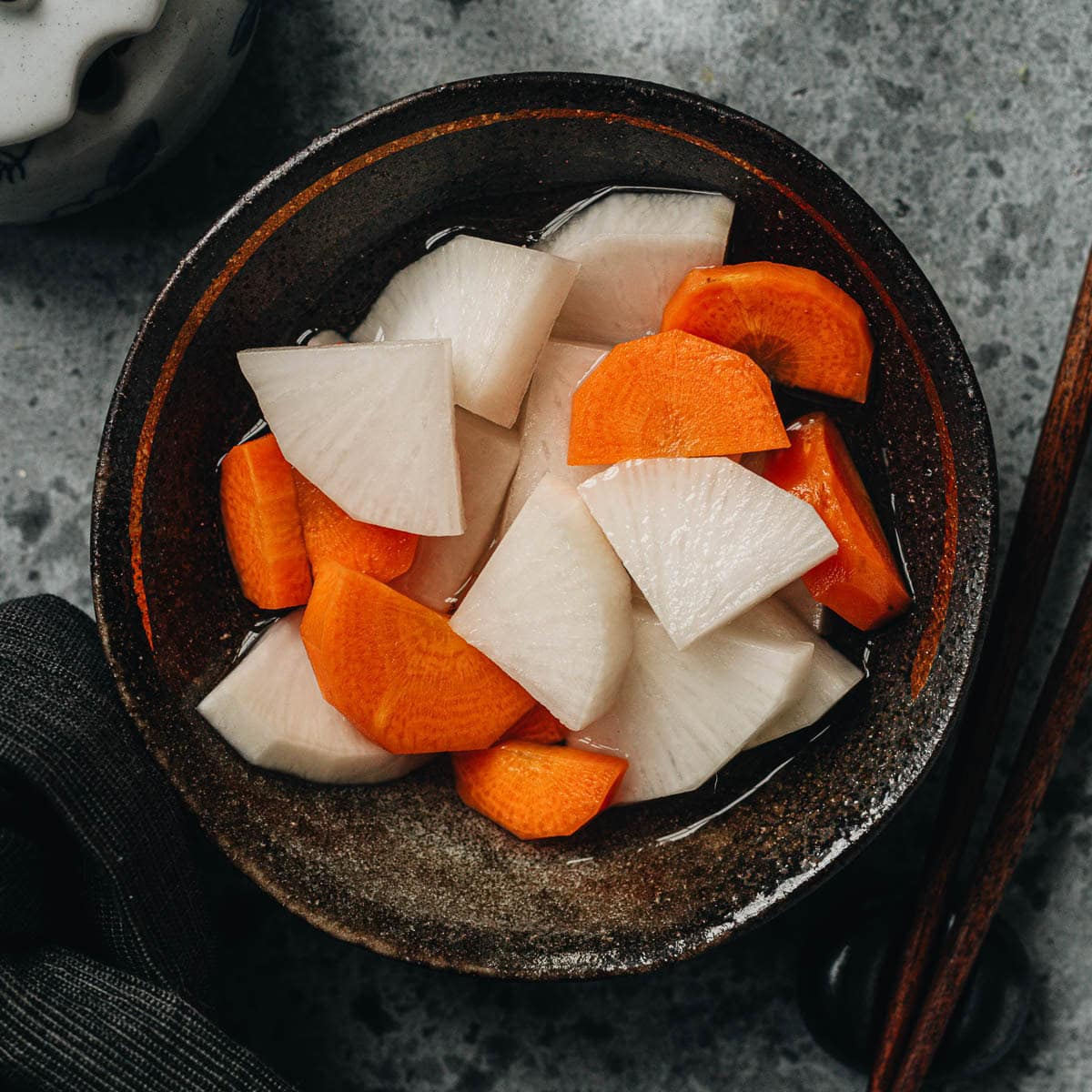
I always have a jar of these pickled daikon and carrot in my fridge because they add a bright, crunchy bite to almost any meal. I picked this recipe for the collection because Chinese pickled vegetables are an essential part of the table that many Western home cooks have not tried yet. The prep takes about 15 minutes, and then the pickles need at least 12 hours in the fridge to develop their flavor.
The recipe relies on three main ingredients. Daikon radish provides a mild sweetness and satisfying crunch that holds up well in the brine. Carrots add natural sweetness that balances the tang. Chinese white vinegar, mixed with sugar and salt, creates a clean and harmonious pickling liquid that brings everything together.
I serve these pickles alongside congee for breakfast, next to dumplings for dinner, or straight from the jar as a snack when I need something crisp and refreshing. They last quite a while in the fridge, so I make a big batch and always have them ready. My husband reaches for them almost every night. Highly recommended!
Enoki Mushroom Salad (凉拌金针菇)
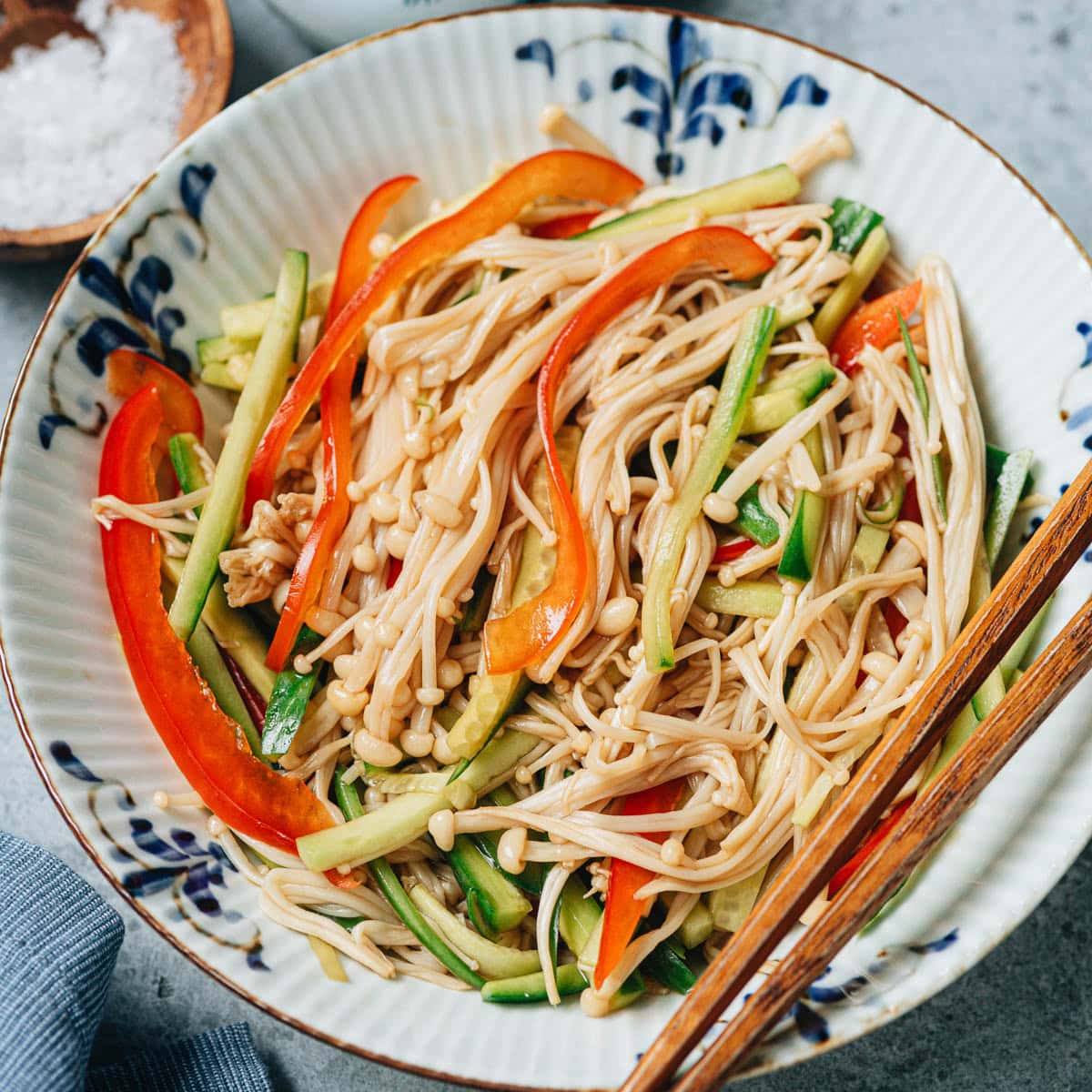
You have no idea how much I enjoy making this Enoki Mushroom Salad when I need a quick appetizer that looks impressive but takes almost no effort. I chose it because enoki mushrooms are one of my favorite ingredients in Chinese cooking for their fun texture and ability to soak up any sauce. The blanching step takes only 30 seconds, and the whole dish is ready in about 15 minutes.
I keep the ingredients simple but effective. Enoki mushrooms are blanched briefly so they stay tender with a slight chew that is unlike any other mushroom. Persian cucumber is sliced into thin sticks for a cool crunch that contrasts the soft mushrooms. The dressing combines soy sauce, Chinkiang vinegar, garlic, and sesame oil for a balanced savory, sour, and nutty flavor that ties everything together.
I love setting this salad out as part of a Chinese cold dish spread before the main courses arrive, just like my mom used to do. It also works as a light side dish next to any stir fry or rice bowl. The key is to slice the vegetables thin and even so the textures match. If you enjoy mushrooms, this one is a must try!
Green Beans with Spicy Peanut Sauce
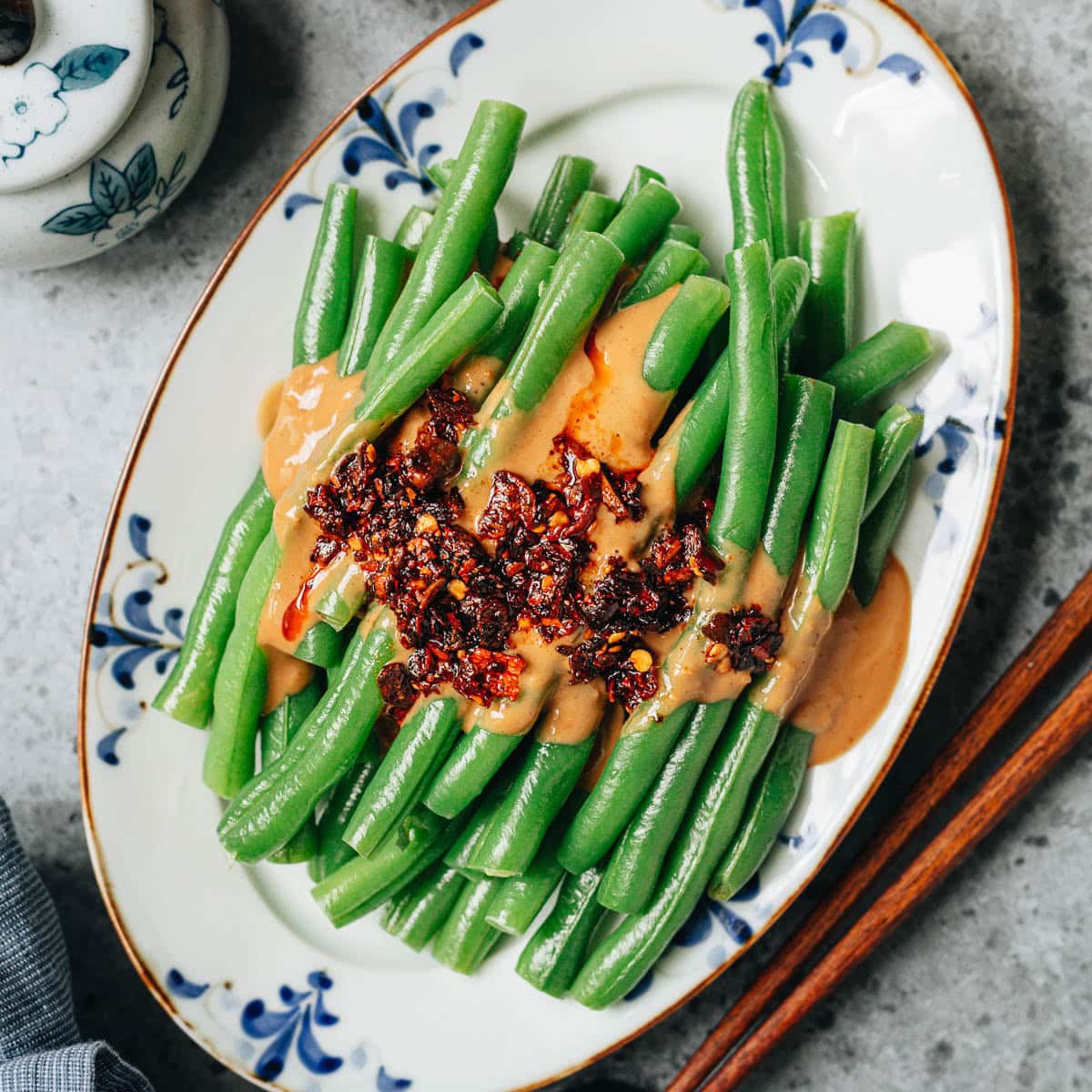
Green beans with peanut sauce is not a common dish you see on a Chinese restaurant menu, but it is a popular homestyle dish I have enjoyed since childhood. I picked this recipe because nutty sauces are a big part of Chinese cooking, and this version is fast enough to add to any weeknight dinner. The total time is about 10 minutes.
The sauce comes together from three simple ingredients. Peanut butter creates a creamy base that coats each green bean. Light soy sauce adds savory depth and balances the sweetness of the peanut butter. Chili crisp is what makes the dish exciting, bringing warmth and texture that turns a simple side into something I can’t stop eating.
I serve this dish as a cold salad alongside heavier mains like garlic fried rice or my kung pao tofu. It is also a wonderful addition to holiday spreads because it can be made ahead and served chilled. When I brought this to a potluck, my friends asked me for the recipe before they finished their plates. Win win.
Main Dishes
Air Fryer Salt and Pepper Tofu
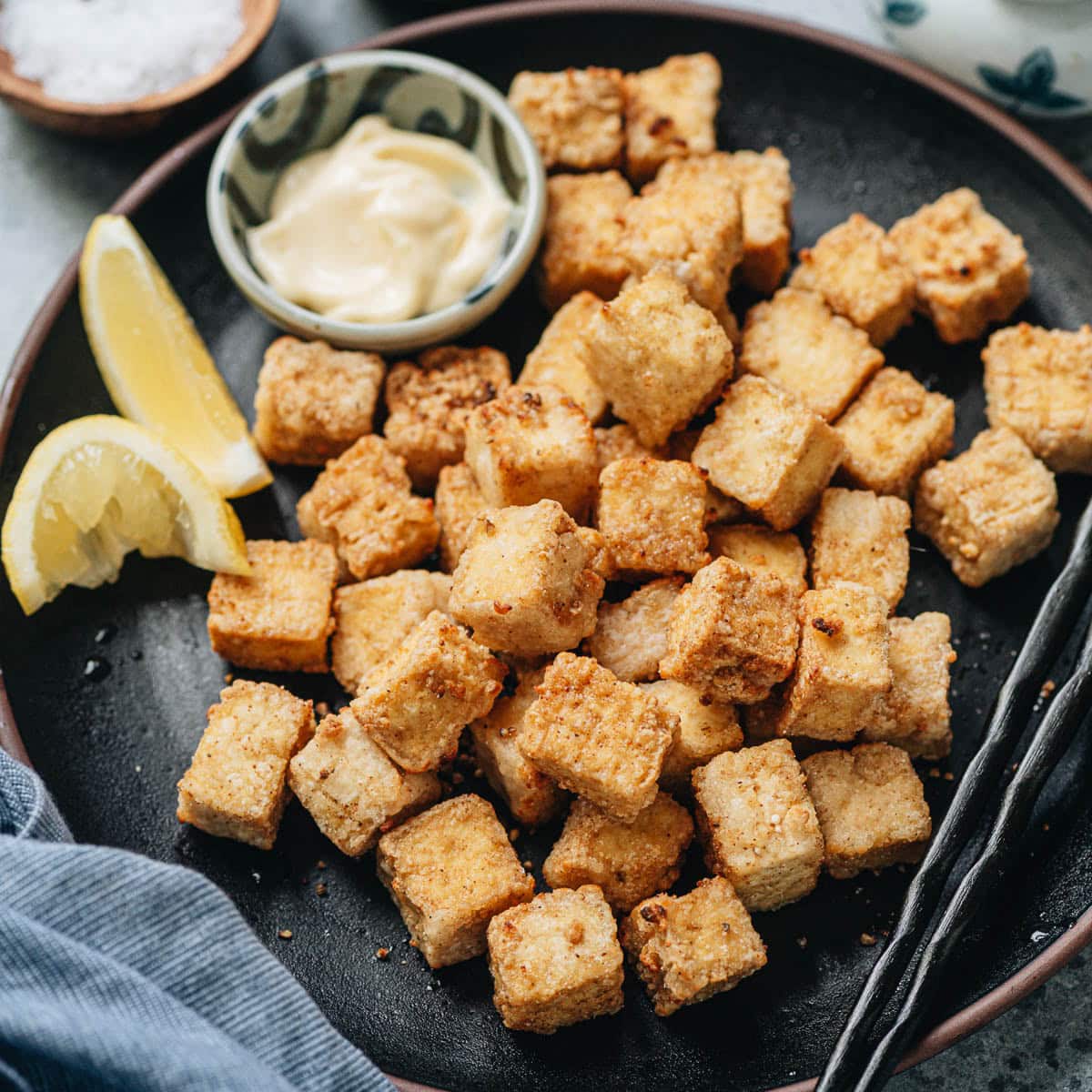
This Air Fryer Salt and Pepper Tofu has become the most popular tofu recipe on my blog, and honestly, I understand why. I picked it because it gives you crispy, golden tofu bites without deep frying, and the whole process takes about 30 minutes. When I first tested the air fryer method, I was surprised by how close the texture was to restaurant style fried tofu, and I have been making it ever since.
My recipe uses only three components that create the perfect crunch. Firm tofu is cut into cubes and given a quick marinade with soy sauce and sesame oil for flavor. Cornstarch is the coating that transforms plain tofu into something crispy and golden in the air fryer. The salt and pepper seasoning mix, tossed on at the end, clings to the hot crispy surface.
I love serving these tofu bites as an appetizer with lemon wedges and mayonnaise, or tossing them on top of rice bowls and noodles for added protein. When I make them for game night at home, they are gone faster than any snack I set out. My husband has started requesting them specifically, which tells me everything. I hope you give this one a try!
Tofu and Broccoli Stir Fry

Tofu and Broccoli Stir Fry is the recipe I turn to when I want a complete vegetarian dinner with almost no planning. The recipe takes about 30 minutes from start to finish and produces a dish that rivals any Chinese takeout.
Three key steps build the flavor. I marinate the tofu in soy sauce and a touch of sweetness, which creates a savory char on the surface when pan fried. Cornstarch is added to the marinade bag and shaken to coat the tofu, giving it a thin crispy layer. The brown sauce, made with hoisin sauce and sesame oil, brings a fruity depth and nuttiness that ties the tofu and broccoli together.
I serve this stir fry over steamed jasmine rice for a meal that is satisfying and balanced. The tofu gets a beautiful golden crust that soaks up the sauce, and the broccoli stays bright and crisp. This was one of the first dishes I made when I started cooking more vegetarian meals at home, and it has stayed in my regular rotation ever since. Highly recommended!
Vegetable Lo Mein
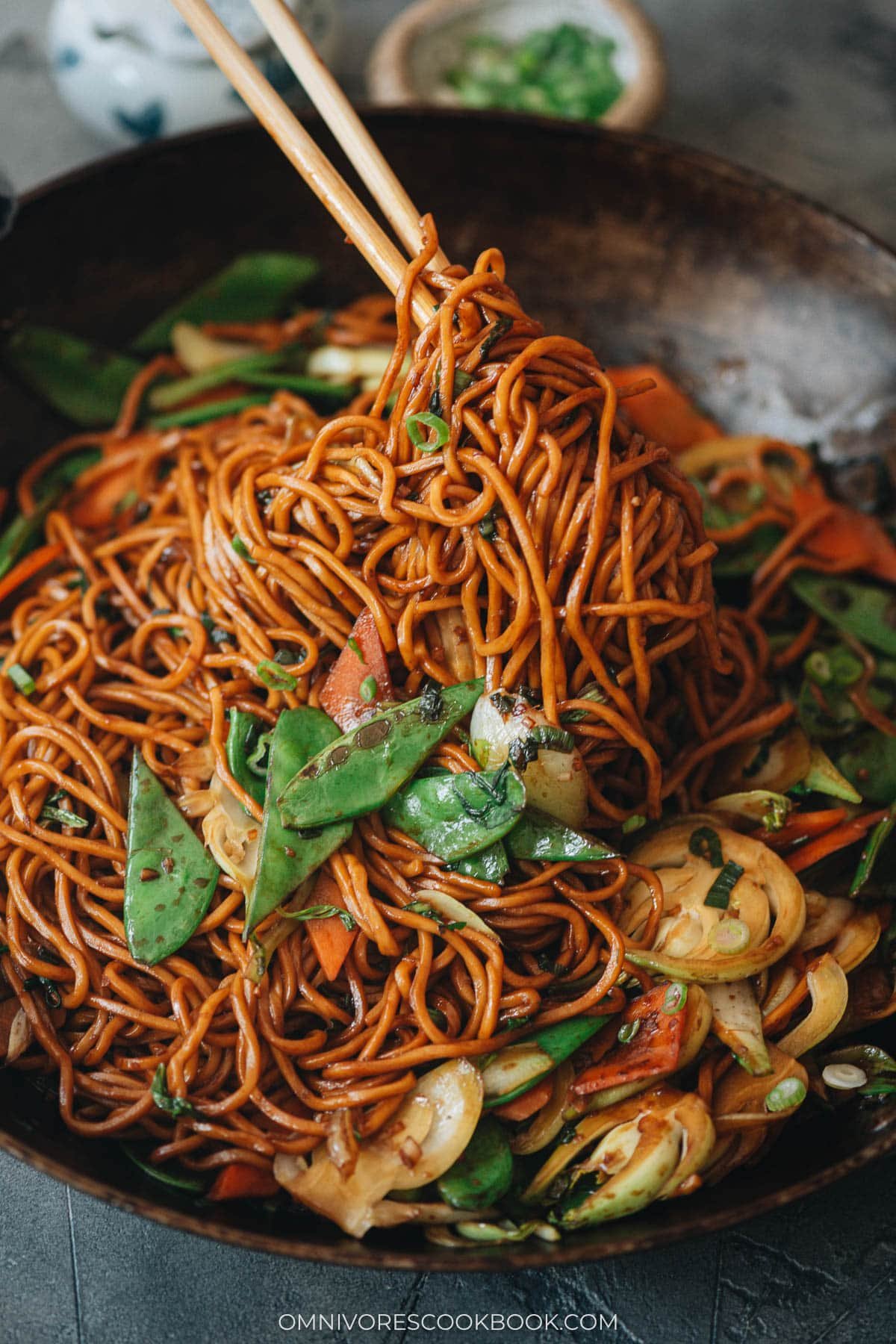
Vegetable Lo Mein is one of the fastest dinners I make, and it tastes better than any takeout version I have tried. I picked this recipe because it uses more vegetables and less oil than what you get from a restaurant, and the whole thing comes together in about 20 minutes. Once you make it at home, you will stop ordering lo mein out.
The foundation rests on three main components. Semi fresh lo mein noodles from the Asian market give the dish its signature chewy texture. Dark soy sauce is what creates that rich brown color and a hint of caramel flavor that regular soy sauce alone cannot achieve. Baby bok choy wilts into the noodles while the stems stay crunchy, giving you two textures in every bite.
I serve this lo mein as a main dish on busy weeknights or as a side when I have friends over. It is a recipe that scales easily, and I can add whatever vegetables I have in the fridge. My spicy cucumber salad makes the perfect cool side dish to go with it. Easy and delicious!
Garlic Fried Rice
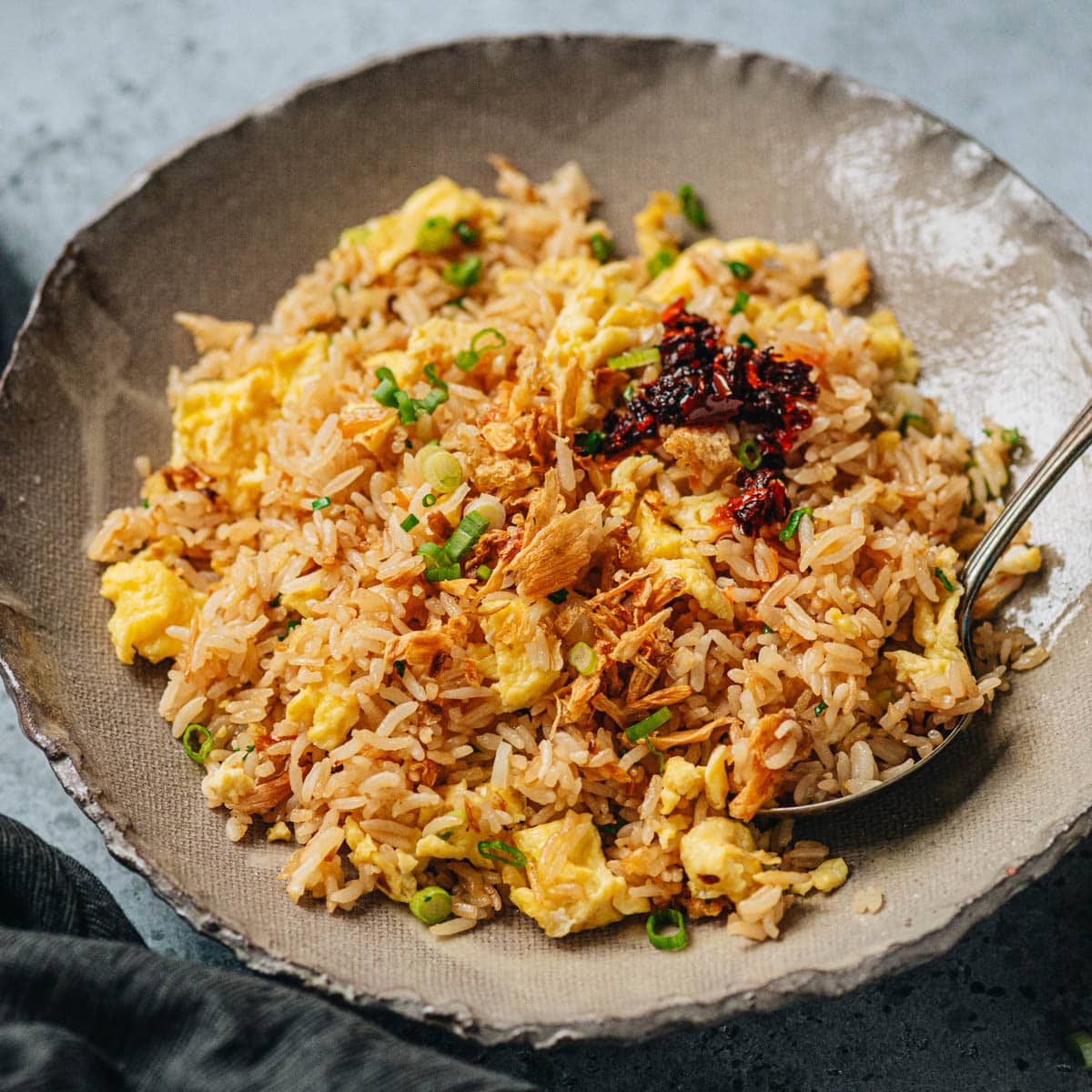
I turn to this Garlic Fried Rice when I want a side or even a simple meal that is rich in flavor and easy to make. The recipe takes about 25 minutes total and it shows how leftover jasmine rice can be transformed into a dish with an intense garlicky taste. This Chinese style garlic fried rice is commonly served in Hong Kong diners, and I love making it at home with a spoonful of chili crisp on top.
My recipe relies on three ingredients that I always keep ready. Day old jasmine rice is my favorite because the grains stay separate in the wok and toast consistently. Eggs coat the rice with soft richness and create a satisfying texture. Plenty of garlic along with a mix of soy sauce and oyster sauce build savory depth. So good!
The other night I set out leftovers from lunch when my parents came for dinner, and my mom loved the strong garlic flavor which had deepened as the rice sat. It also pairs very well with a protein like pan fried tofu or as part of a bigger spread with vegetarian wonton soup and a cold salad. I highly recommend it.
Peanut Noodles
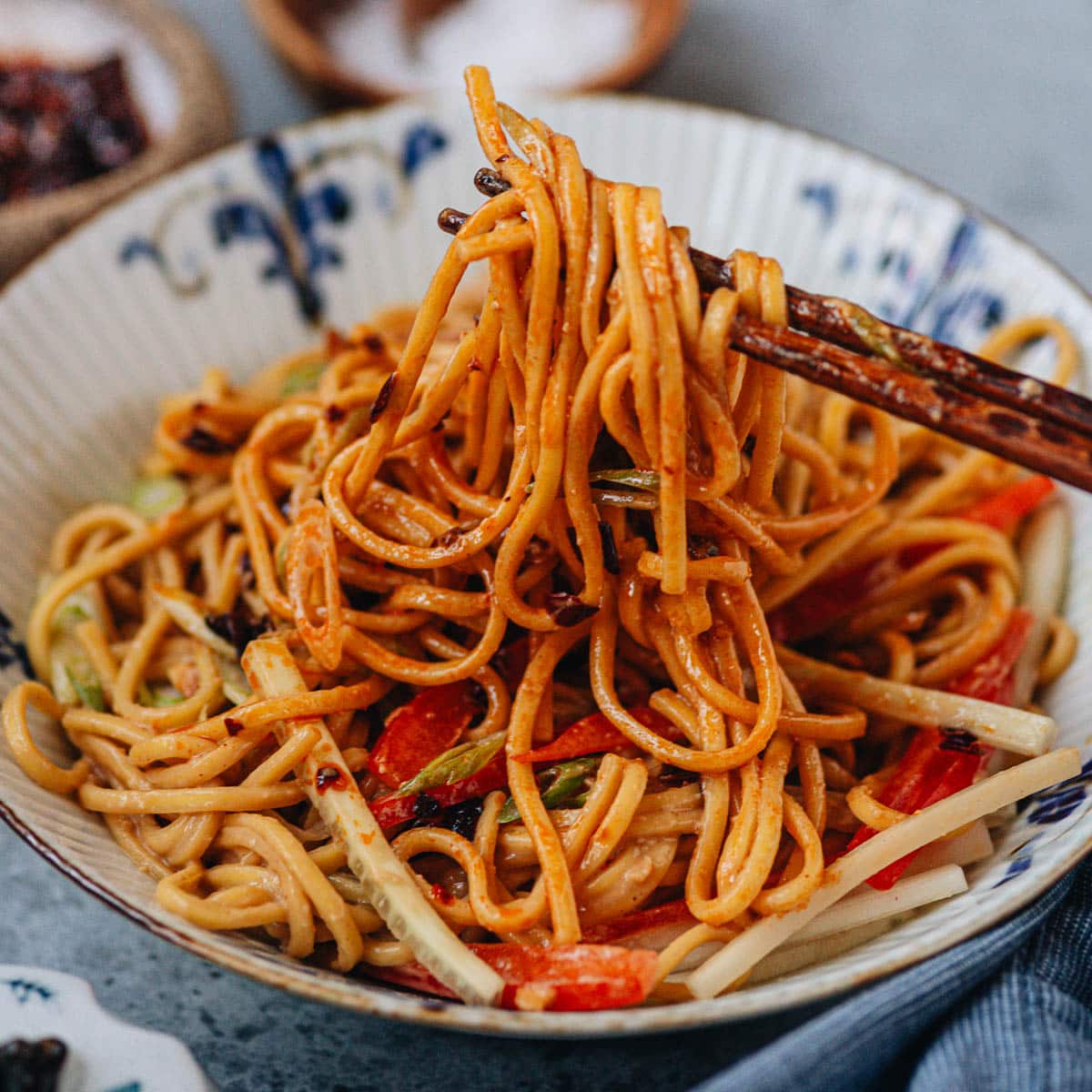
I chose peanut noodles for this collection because the recipe was born out of homesickness. When I first moved to the US, I searched every store for good Chinese sesame paste and kept coming up short. One night I grabbed a jar of peanut butter and started experimenting, and now this is one of our favorite weeknight dinners.
Three ingredients make the sauce come alive. Peanut butter creates a rich, creamy base that clings to every strand of noodle. Soy sauce adds the savory depth that keeps the dish grounded in Chinese flavors. Fresh ginger and garlic brighten the sauce and give it a warmth that balances the richness of the peanut butter.
I make this for my husband and son whenever we want something quick and comforting after a long day. I love adding extra peanuts on top, and my husband always asks for more chili crisp. Everyone can customize their own bowl, which makes dinner be easy and fun. It is ready in 20 minutes and I hope you try it with your family.
Kung Pao Tofu (宫爆豆腐)
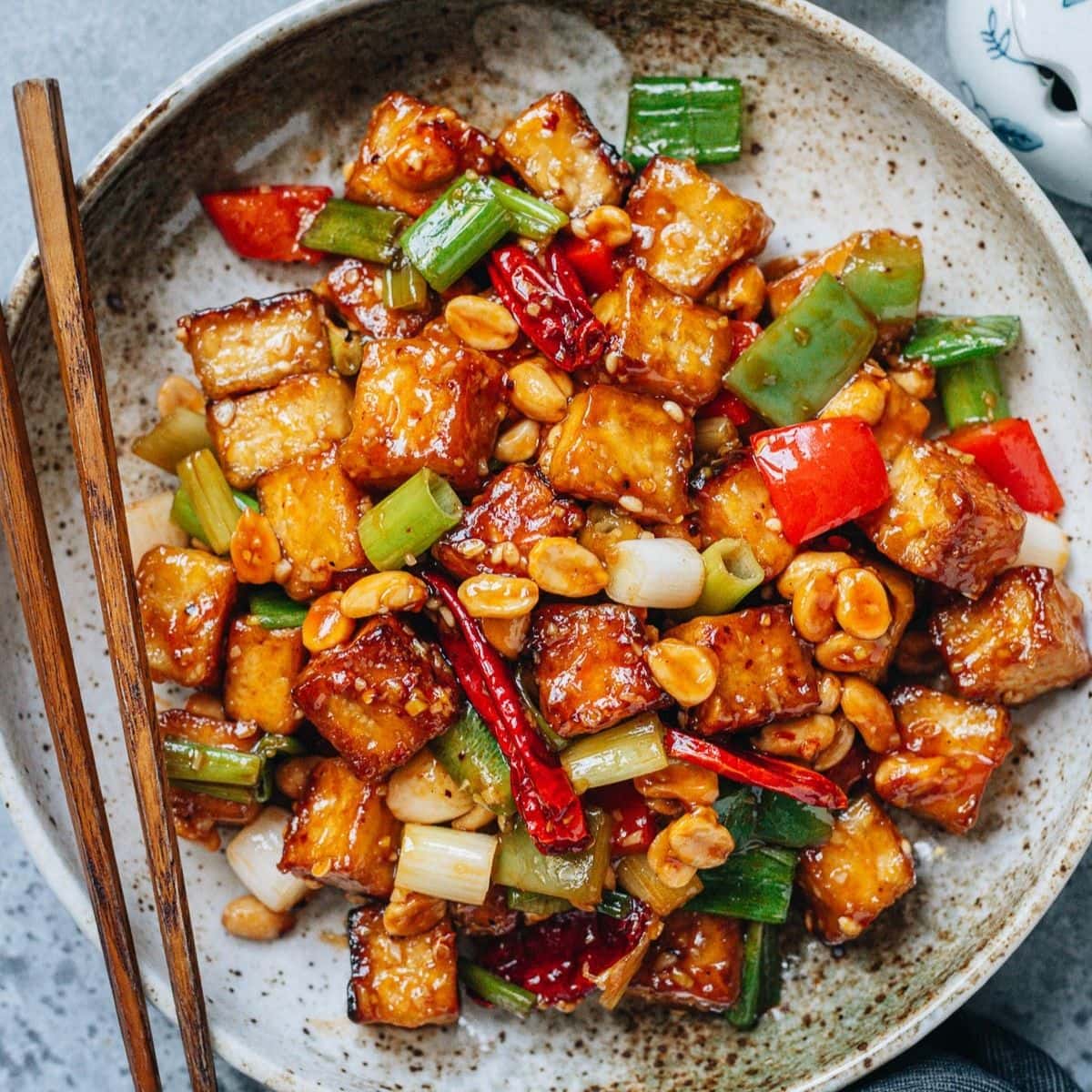
Kung Pao Tofu is my vegetarian take on one of China’s most famous stir fry dishes, and I love it just as much as the original chicken version. I picked this recipe because it proves that tofu is not a “meat replacement” but a real ingredient with its own character in Chinese cooking.
Three components create the bold flavor. Firm tofu is marinated in soy sauce and maple syrup, then coated with cornstarch and pan fried until golden and crispy on the outside. The stir fry sauce uses Shaoxing wine, vinegar, soy sauce, and sugar in what I call the golden ratio for a perfectly balanced kung pao. Dried chili peppers and ground Sichuan peppercorn add the smoky heat and numbing tingle that make this dish authentically Sichuan.
I always keep a few blocks of tofu in my fridge, and when my pantry is running low or I do not have time to thaw meat, this is the dish I reach for. Served over steamed rice with roasted peanuts scattered on top, it makes a complete dinner that everyone at my table fights over. If you love bold flavors, this one is for you!
Hot Dry Noodles (热干面)
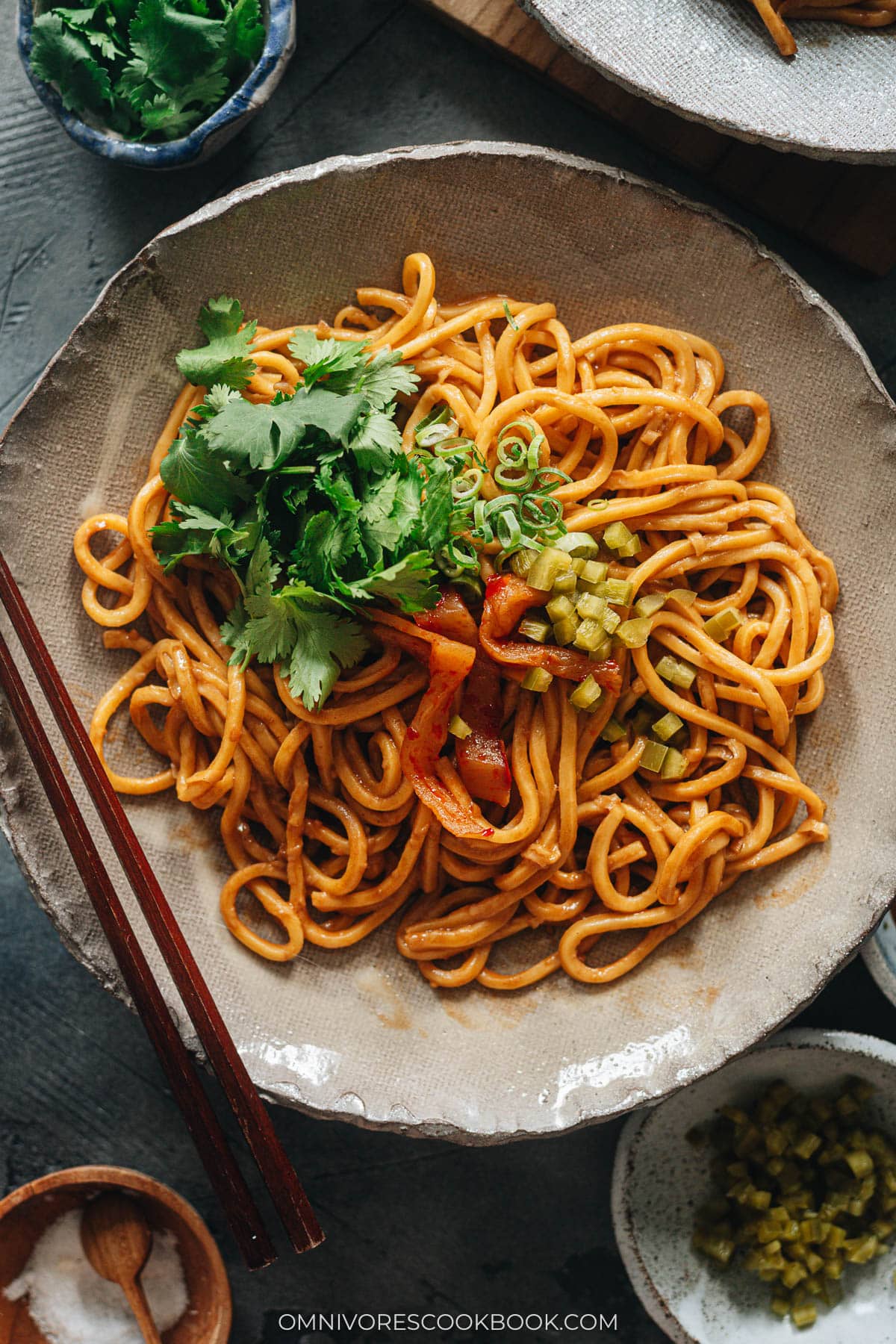
Hot Dry Noodles are one of the 10 most famous noodle dishes in China, and I fell in love with them after watching vendors in Wuhan assemble bowls at lightning speed. I chose this recipe because it brings a legendary street food into your home kitchen in just over 30 minutes. Despite the name “dry,” my version uses a master broth that keeps the noodles saucy even after they cool down.
The dish is built on three essential components. Fresh alkaline noodles have a springy, chewy texture that holds up to the thick sauce. Chinese sesame paste creates a rich, toasty base that coats every strand. The master broth, simmered with warm spices, adds depth and keeps the noodles from sticking together.
I have to admit that hot dry noodles have become a regular in my house because they fit perfectly into my busy schedule as a mom. My colleagues at work started requesting them after I brought leftovers for lunch one week, which always makes me smile. I recommend you give them a try and discover why this dish has been a breakfast favorite across China for generations.
Chao He Cai (Beijing-Style Vegetarian Moo Shu, 炒合菜)
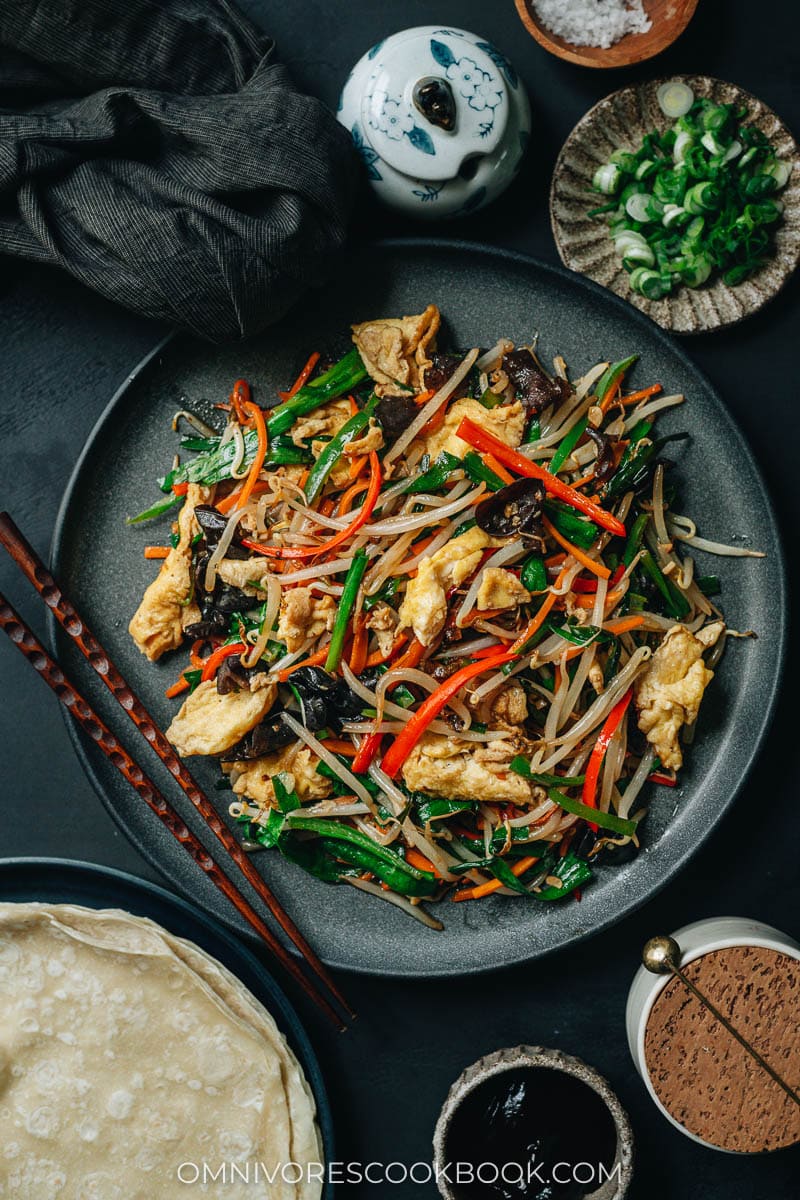
In Beijing, we call this dish Chao He Cai (炒合菜), which translates to Harmony Stir Fry. It is traditionally served during the spring solstice with colorful vegetables that represent the warm months ahead. I love that this recipe celebrates the seasons.
Three ingredient groups bring the dish together. Bean sprouts are the star, adding a fresh crunch that is completely different from the shredded cabbage moo shu you find in American Chinese takeout. Wood ear mushrooms contribute a signature texture that is both chewy and satisfying. Eggs are scrambled into soft ribbons and folded into the vegetables, tying everything together with richness.
I serve this stir fry wrapped in thin spring pancakes, also called Chun Bing (春饼), just like we do in Beijing. When I made it for my vegetarian friend, she told me it was the best moo shu she had ever had. I was so happy to hear that because this dish is close to my heart. It is a beautiful way to celebrate spring at your table, and I hope you enjoy it as much as my family does.
Desserts
Traditional Mooncake (广式月饼)
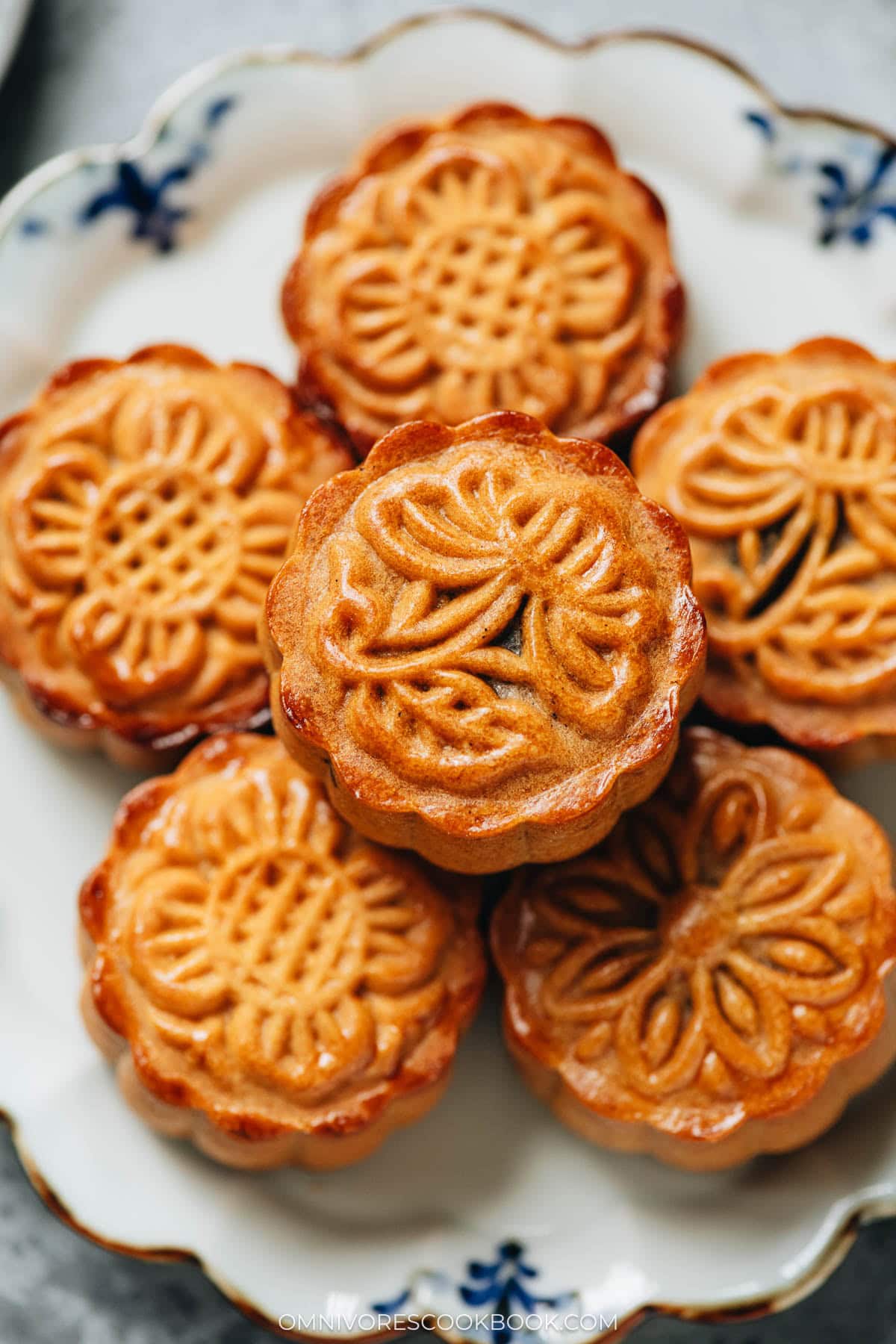
I chose this traditional mooncakes recipe because nothing beats homemade mooncakes, which taste more fragrant and are not overly sweet like many store bought versions. This is a project recipe that requires patience, but the result is absolutely worth it.
The recipe depends on three essential components. The dough is made with flour, golden syrup, and alkaline water, which gives it its signature soft, slightly chewy texture. The filling uses homemade lotus seed paste or red bean paste, both of which are smooth, naturally sweet, and deeply traditional. A mooncake mold presses the pastry into a beautiful pattern that makes each one a small work of art.
I love serving mooncakes with a pot of Chinese tea during the Mid Autumn Festival while my family gathers together. Making them from scratch each year connects me to a tradition that stretches back generations, and sharing them with friends and neighbors is part of the joy. If you have never made mooncakes at home, I encourage you to try. The process is meditative and the reward is a pastry filled with meaning.
Chinese Walnut Cookies (核桃酥)
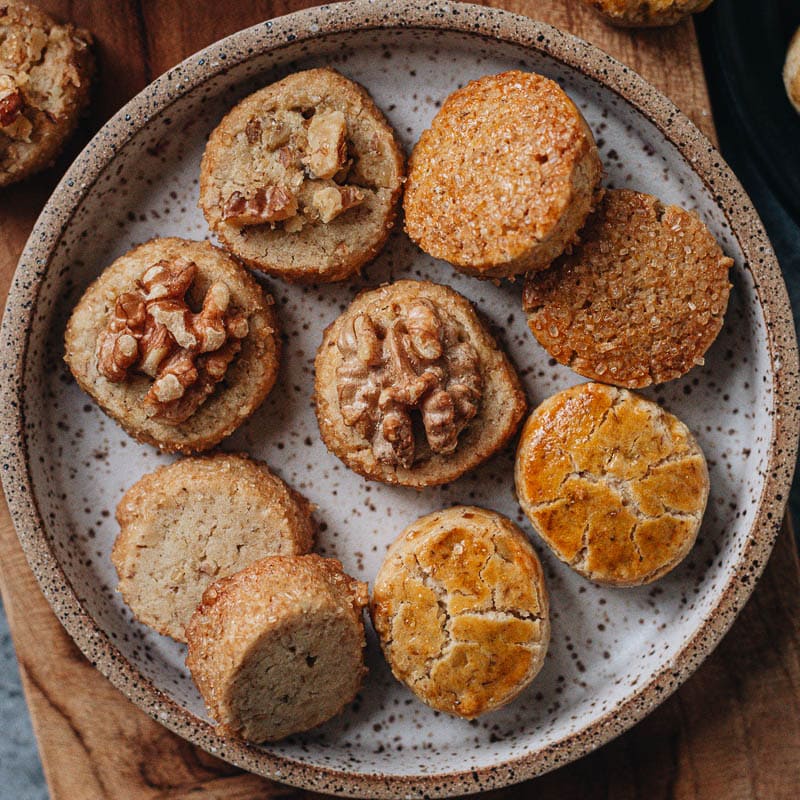
Walking on the streets of Beijing, you can see traditional dessert shops stacking cookies behind glass counters with small handwritten tags revealing the flavor. Chinese Walnut Cookies were always a top pick, and I chose this recipe because it carries the nostalgia of those childhood moments. My version is inspired by the bite size cookies from Te Company in New York, one of my favorite spots for Chinese sweets and tea.
Three key ingredients define these cookies. Flour creates the shortbread style base that is crispier and crunchier than Western butter cookies. Toasted walnuts give each bite a rich, nutty depth that the cookies are named for. An egg wash on top creates a beautiful golden surface that signals the flavor before you even take a bite.
I love making these cookies around Chinese New Year and sharing them in gift boxes with friends. The mini size makes them perfect for snacking alongside tea, and they keep well in a sealed container for days. My mom always picks these first when I bring her a box of homemade sweets, which tells me I got the recipe right. I hope these bring the same warmth to your table.
Sesame Balls
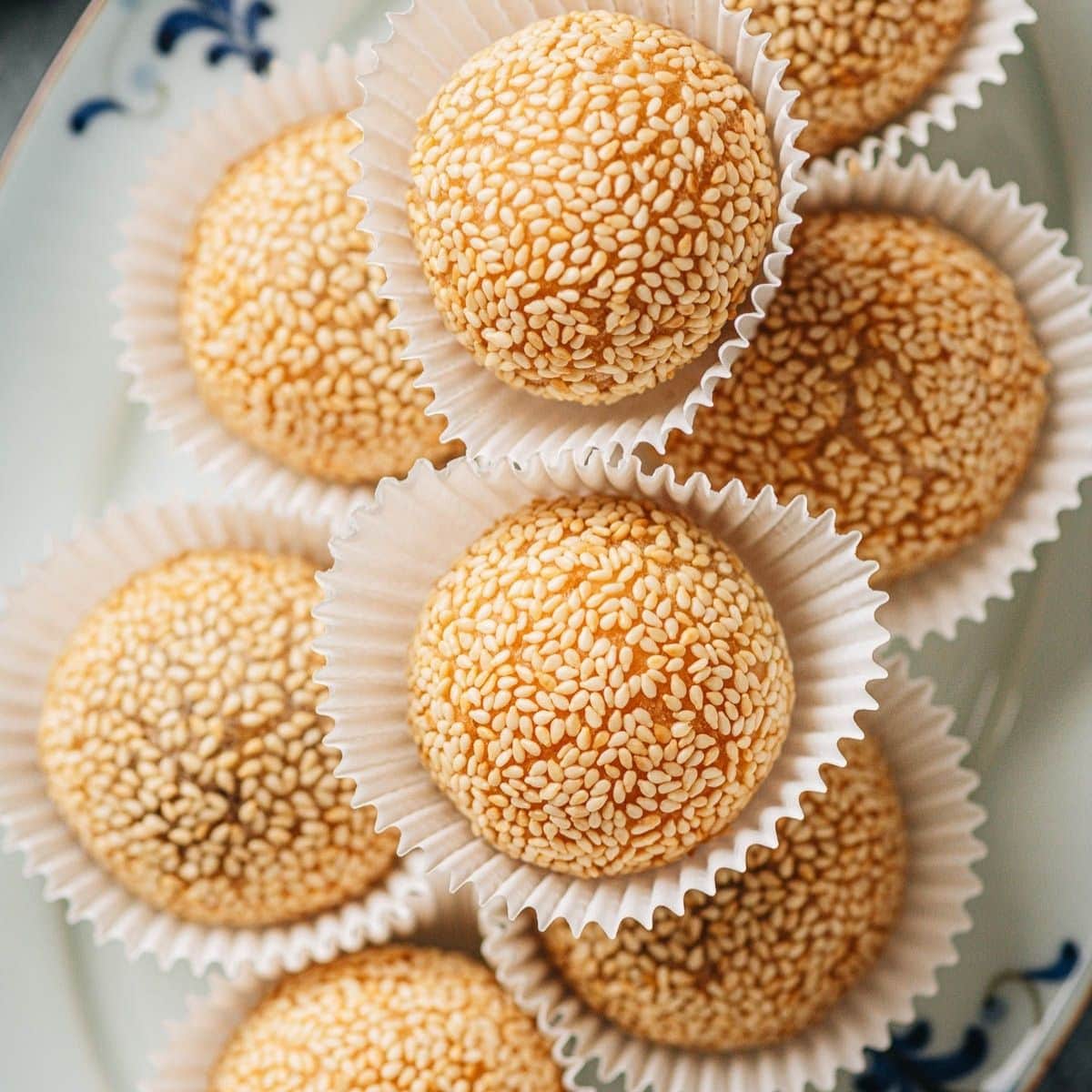
If you have ever visited a Chinese bakery or dim sum restaurant, you have likely seen these golden, sesame coated treats, and they taste even better than they look. I picked this recipe because sesame balls are a cultural symbol in Chinese cooking. Their roundness and golden color signify good fortune, making them a must have for celebrations like Chinese New Year.
The recipe is built on three main ingredients. Glutinous rice flour creates the chewy, mochi like dough that puffs up beautifully when fried. Red bean paste fills the center with a smooth sweetness that balances the crispy shell. White sesame seeds coat the outside, and as they fry, they toast into a fragrant golden layer that adds crunch and aroma.
I always make a batch of sesame balls for Chinese New Year, and my son loves watching them puff up in the oil like little balloons. They are best served warm when the outside is crispy and the inside is soft and stretchy. Even after they cool, the texture stays satisfying. If you enjoy dim sum, this recipe lets you bring one of its most beloved treats into your own kitchen.
Chinese Egg Cake (鸡蛋糕)

This Chinese Egg Cake brings me back to childhood trips to the market with my grandma, where fresh cakes were sold warm from the oven at local bakeries. I chose it for this collection because it shows how Chinese baking relies on eggs rather than chemical leaveners for a light, airy sponge.
My recipe is ready in under an hour and uses three core ingredients. Eggs are whipped to create all the lift, which gives the cake its signature airy crumb and light texture. Cake flour is gently folded in to preserve the volume from the whipped eggs. A small amount of sugar and milk round out the flavor, keeping the sweetness mild and the texture moist. No butter, no baking powder, just eggs doing all the work.
I love making this cake as an afternoon treat with Chinese tea, or packing slices for my son when he has a playdate. The natural deflation after baking is part of its classic look, so do not worry if it sinks a little. My grandma’s version always did the same, and it tasted perfect. This is a humble dessert or breakfast that shows how simple ingredients can create a dish that is so lovely.
I hope these 20 vegetarian Chinese recipes inspire you to explore meatless cooking with authentic Chinese flavors. Whether you start with a quick cucumber salad or take on homemade mooncakes, I know you will love what comes out of your kitchen.
russell
i love Chinese food
Hemp Hearts NZ
I am so happy I found your blog and I absolutely love your information about vegetarian Chinese recipes and the tips you have shared are awesome. I liked and it is wonderful to know about so many things that are useful for all of us! Thanks a lot for this amazing blog!!
Asian food Timaru
I loved your blog and thanks for publishing this content about vegetarian Chinese recipes!! I am really happy to come across this exceptionally well written content. I like how you have researched and presented these exact points so clearly. Thanks for sharing and look for more in future!!Well, I have visited another site Redchillipantry.co.nz having some wonderful and similar information.
Lori Lippitz
Thank you for these authentic Asian recipes for those of us who do not eat meat. I usually have to try to guess how to substitute for the pork and chicken! I can’t wait to try these out.
Taoaba Tekaiwa
can you give some special vegetarian recipes from you please.
Hauhau
I don’t think the last two dishes are originated from China though?
Chezca
Nice food