
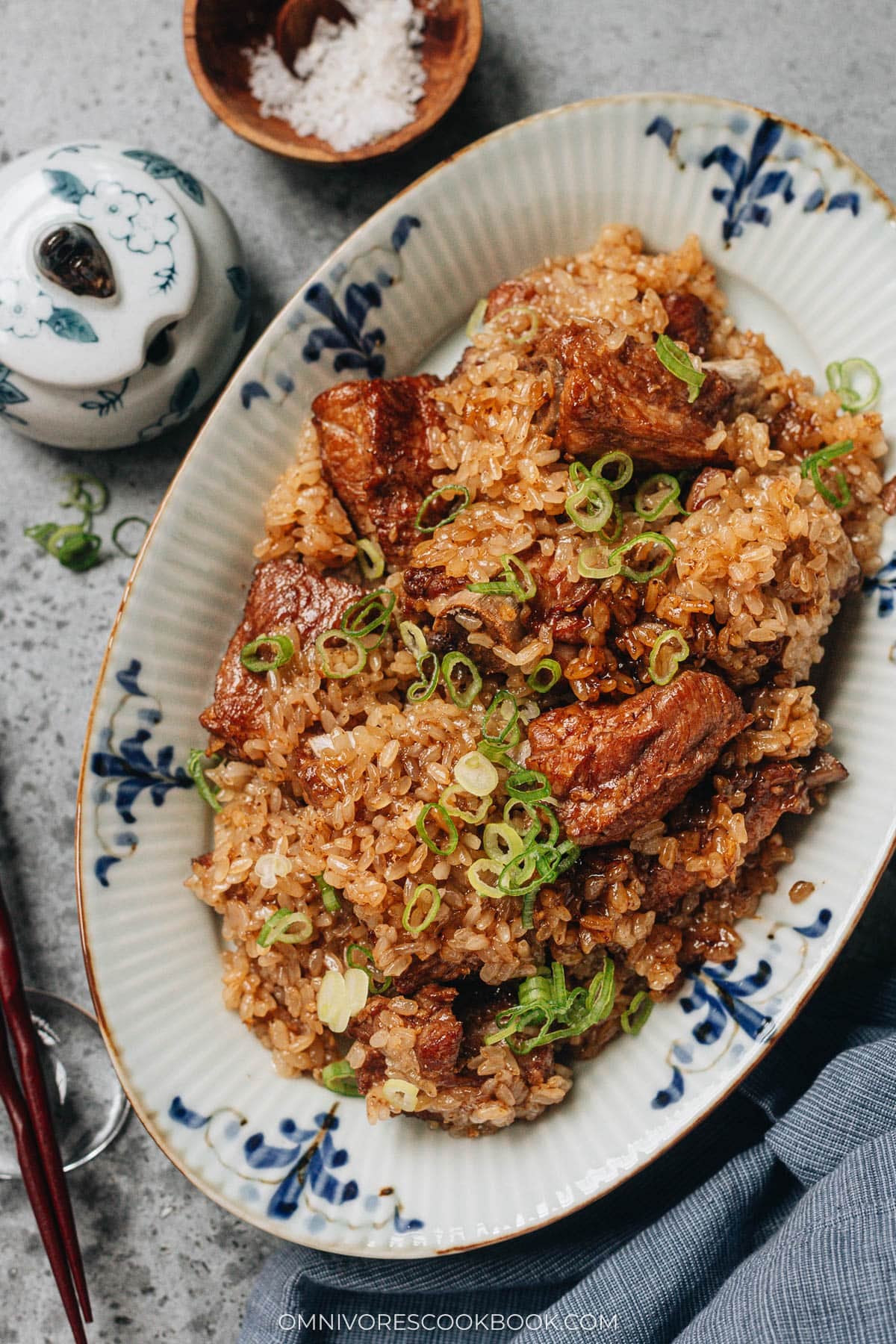
Steamed ribs with sticky rice is a Cantonese-style steamed dish that’s somewhat similar to dim sum lo mai gai, the lotus leaf-wrapped sticky rice with savory chicken you often find on dim sum carts. This version is more of a homestyle dish that you don’t often see at restaurants, but it’s popular with home cooks because it’s much easier to prepare than lo mai gai while being every bit as satisfying. The cooking time might look a little long, but most of it is passive, and the dish itself is quite easy to put together.
Funny enough, this dish came out of a small accident. My husband picked up a bag of glutinous rice thinking it was regular white rice, so I have been cooking my way through it, starting with Chinese Pearl Balls that my 2 year old son asks for again and again. These sticky rice ribs became the next thing I made from that same bag, and now my son wants them just as much.
I make this on a weekend because the timing is slow but the hands-on work is small. What I do is basically soak the rice and ribs, mix one sauce and split it between the meat and the grains, then let the marinade, then the steamer does the rest. That’s all guys! I highly recommend making this recipe by following my detailed step by step directions below. I promise you’ll end up with a rich, sticky, meal-prep-friendly dinner made entirely in one steamer.
Ingredients
What I love the most is that one sauce does two jobs, seasoning the ribs and the rice from the same bowl. Here is all I use to make this steamed ribs with sticky rice recipe:
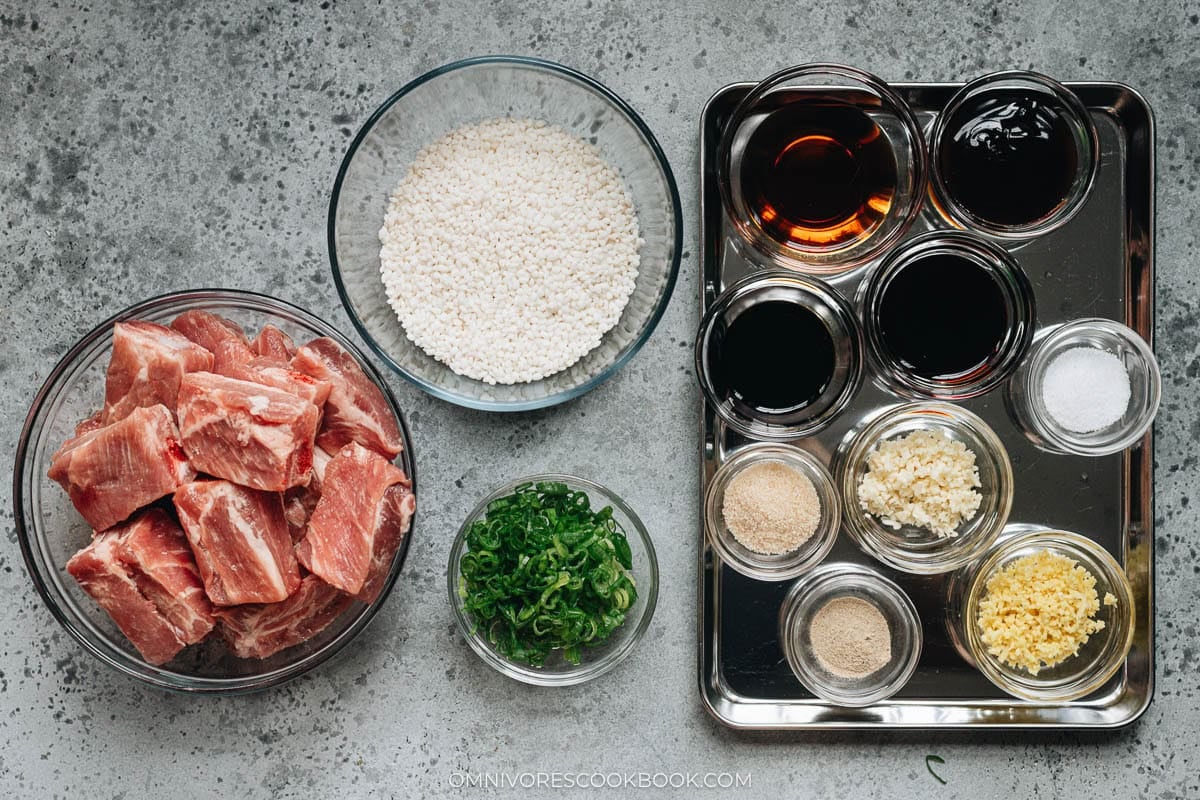
Glutinous rice: I use glutinous rice, also sold as sticky rice or mochi rice, because it cooks up chewy and gooey in a way plain white rice cannot copy.
Pork ribs: I like to use short-cut ribs, with the slab cut crosswise into shorter sections and then separated into individual riblets. The smaller pieces are easier to coat with the sticky rice and arrange neatly in the steamer. You can usually find ribs cut this way at Asian markets. If you purchase a whole slab of ribs, you can ask the butcher to saw it crosswise into two shorter sections, then cut between the bones to separate them into individual riblets.
One sauce mixture: I stir together Shaoxing wine, oyster sauce, light soy sauce, dark soy sauce, sugar, salt, and white pepper, then work in minced ginger and garlic. I use the light soy for savory depth and the dark soy for color, and I split this one bowl between the ribs and the rice.
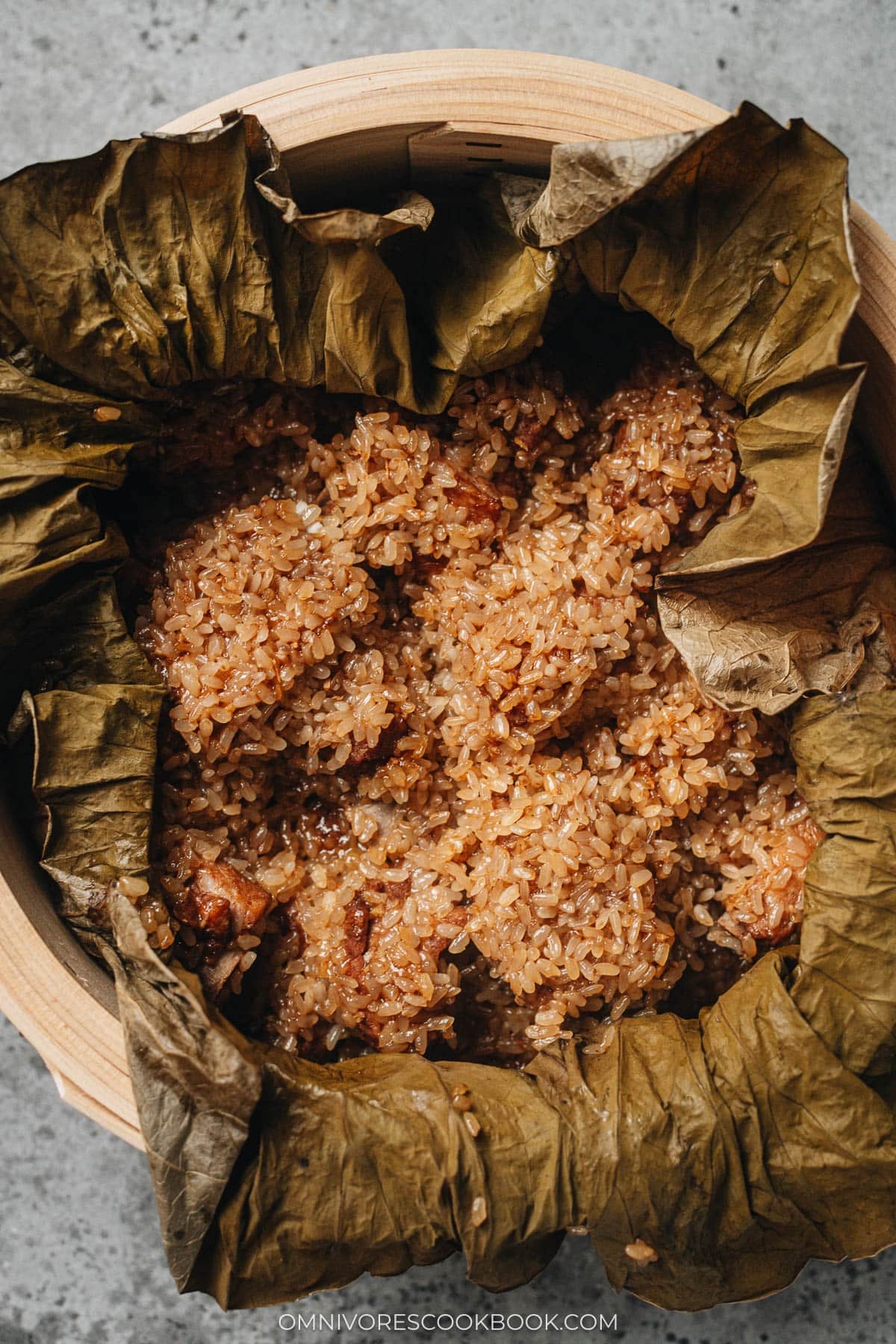
Lotus leaf or parchment: I like to line the steamer with a soaked dried lotus leaf, which adds a subtle fragrance and makes for a beautiful presentation. But it’s completely optional – you can simply use parchment paper instead.
Scallions: I slice scallions to scatter over the top at the end for a fresh finish.
How to Make
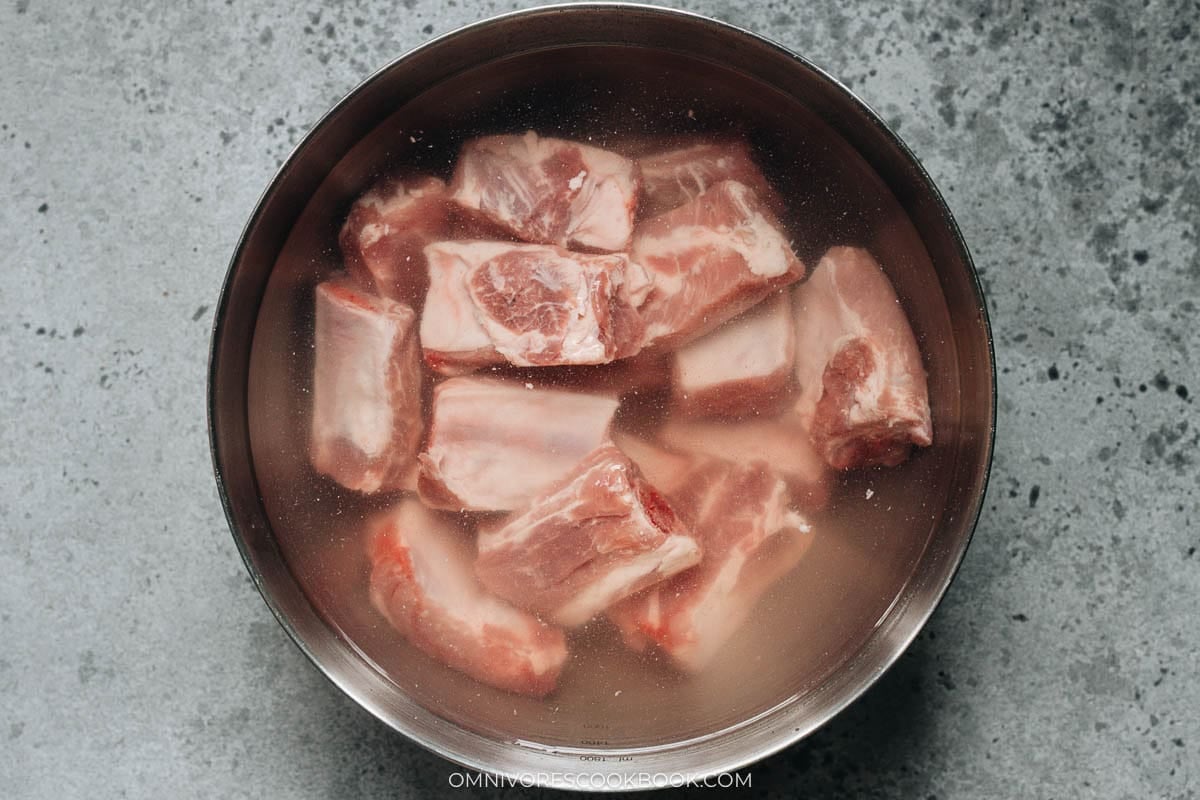
1. Soak the ribs: Add the pork ribs to a large bowl and cover them with cold water. Soak for 30 minutes to draw out blood and impurities, then drain thoroughly and pat dry. Move the ribs to a clean bowl.
2. Mix the sauce: Combine the Shaoxing wine, oyster sauce, light soy sauce, dark soy sauce, sugar, salt, white pepper, ginger, and garlic in a small bowl. Stir well. Reserve 4 tablespoons of the sauce for the rice.
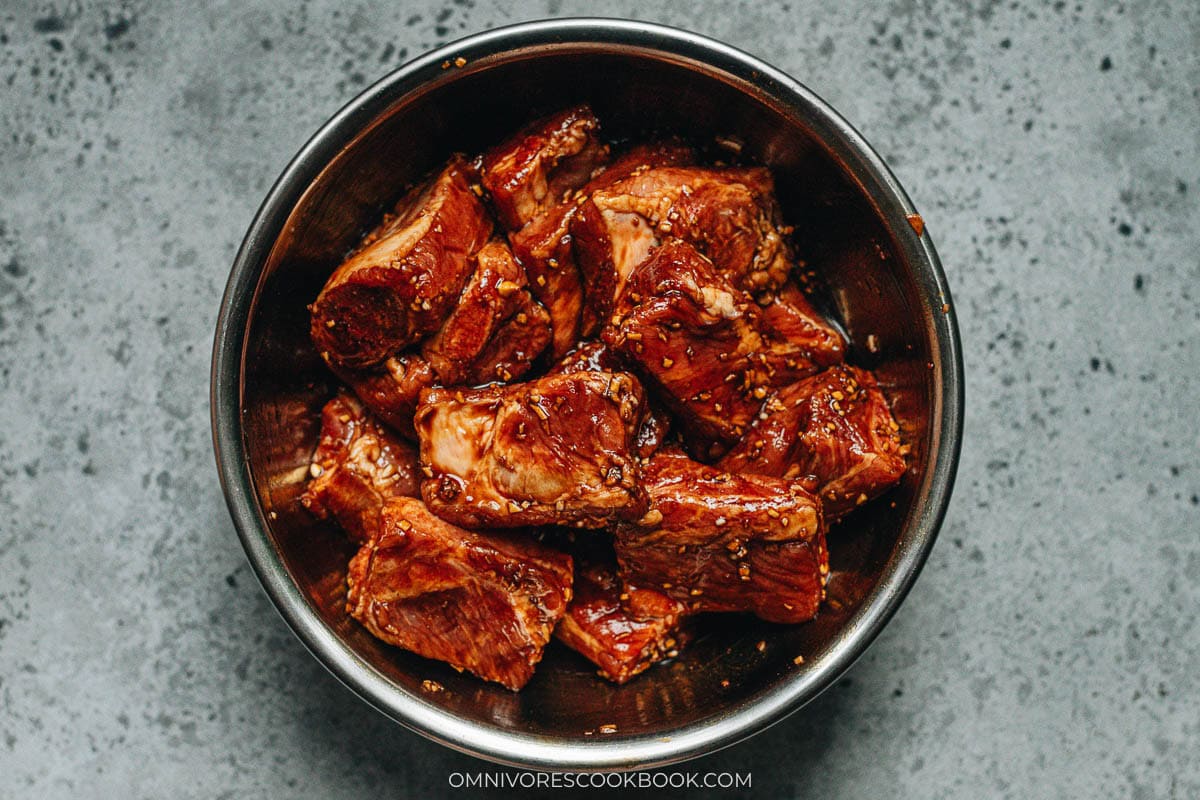
3. Marinate the ribs: Pour the rest of the sauce over the pork ribs and mix thoroughly with your hands. Cover and marinate in the refrigerator for at least 2 hours, preferably overnight (highly recommended).
4. Rinse and soak the rice: Add the glutinous rice to a large bowl and cover it with tap water. Stir it in a circular motion to rinse, drain, and repeat 2 more times. Cover with cold water and soak for 2 to 3 hours for short-grain glutinous rice, or 4 to 5 hours for long-grain glutinous rice.
5. Soak the lotus leaf: If using a lotus leaf, soak it in water for 2 hours, or until you are ready to line the steamer.
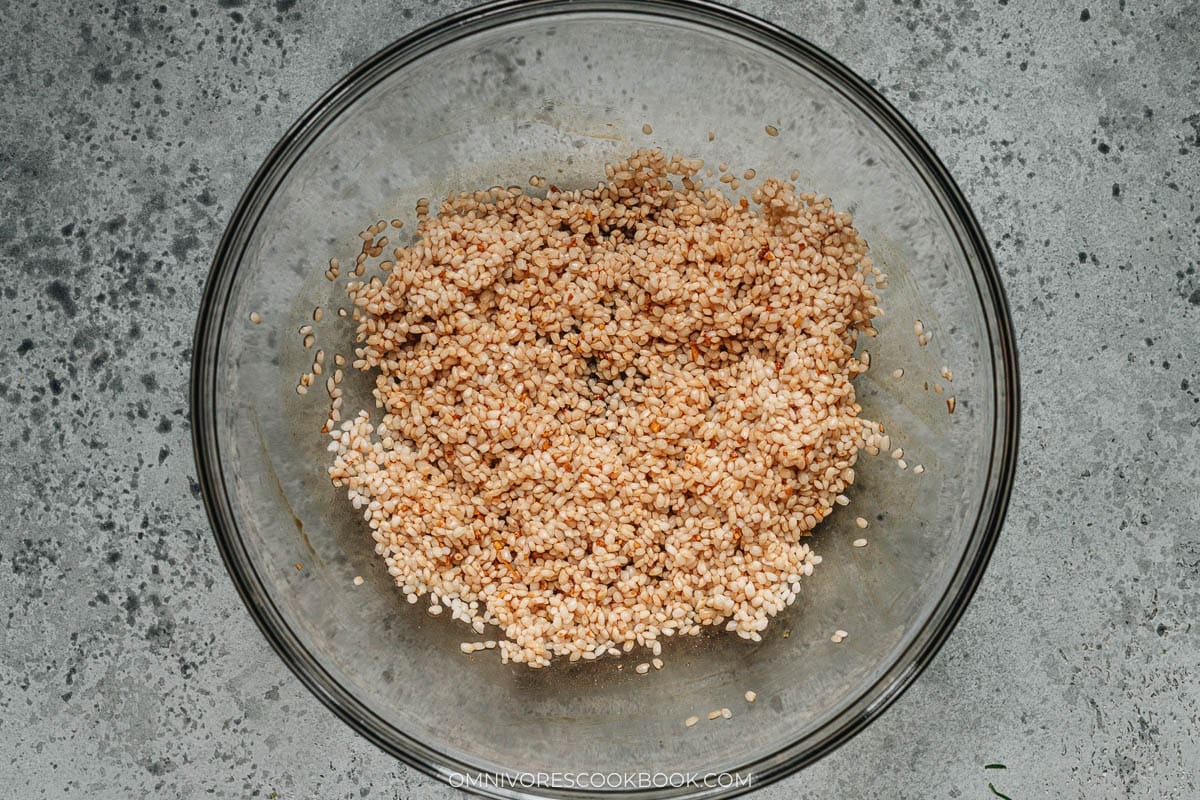
6. Season the rice: Once the rice has finished soaking, drain it very thoroughly and move it to a large bowl. Add the reserved sauce and mix well.
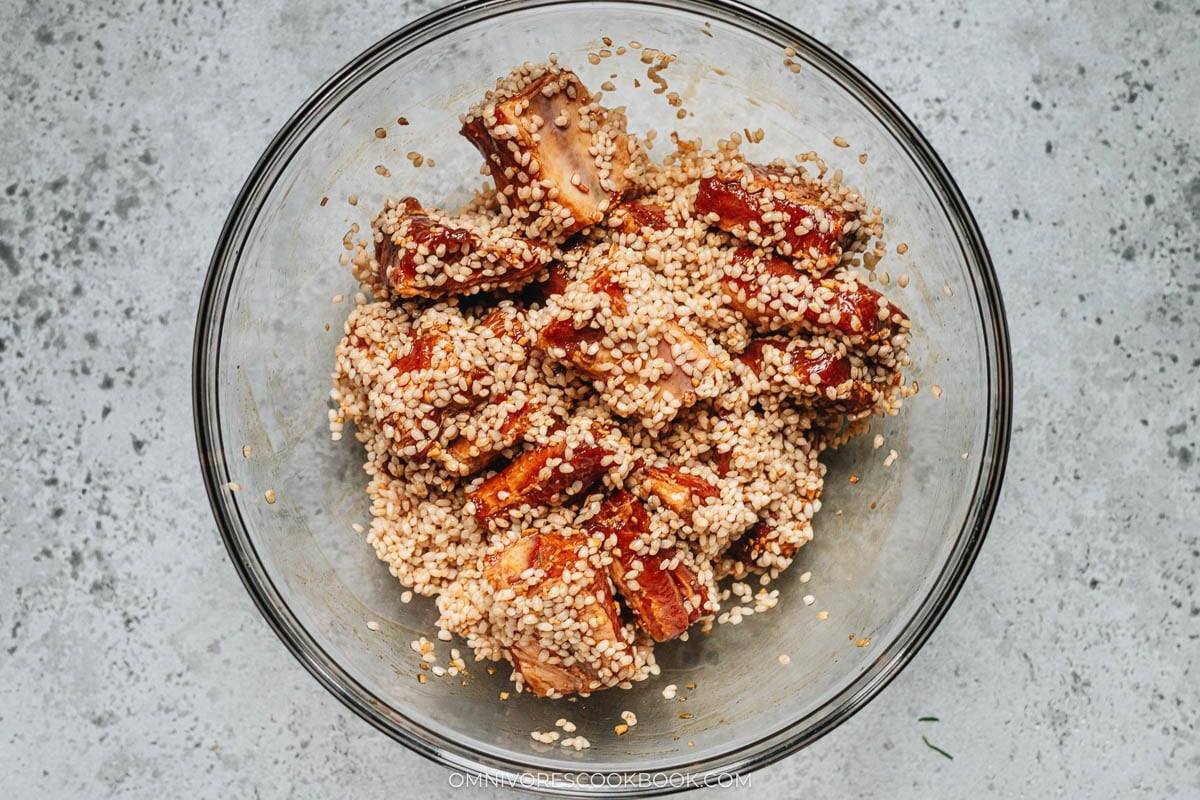
7. Coat the ribs: Lift the ribs from the marinade, letting the excess drip off, and discard the leftover marinade. Add the ribs to the bowl of seasoned rice and mix so the rice coats the ribs.
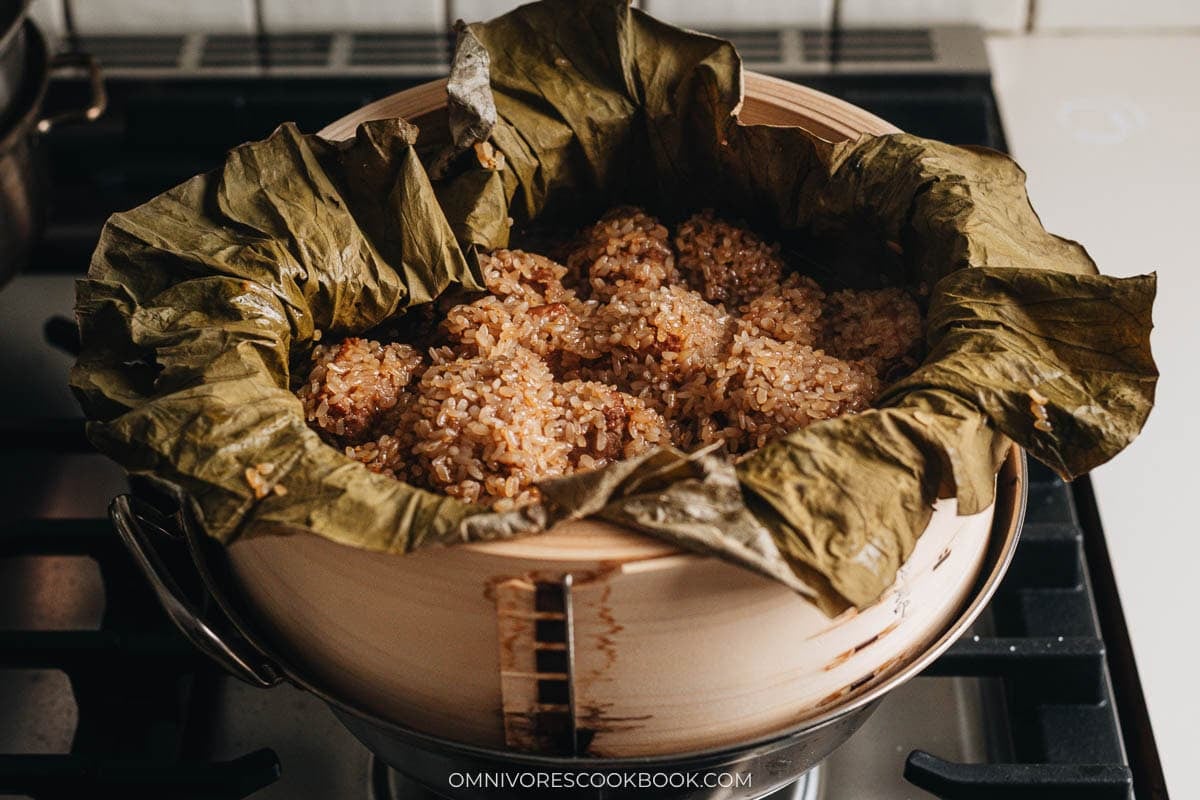
8. Prepare the steamer: Line your steamer with the soaked lotus leaf or a sheet of parchment paper. Transfer everything to the lined steamer, then fold the lotus leaf over the rice to cover if you are using one. Bring a large pot of water to a boil.
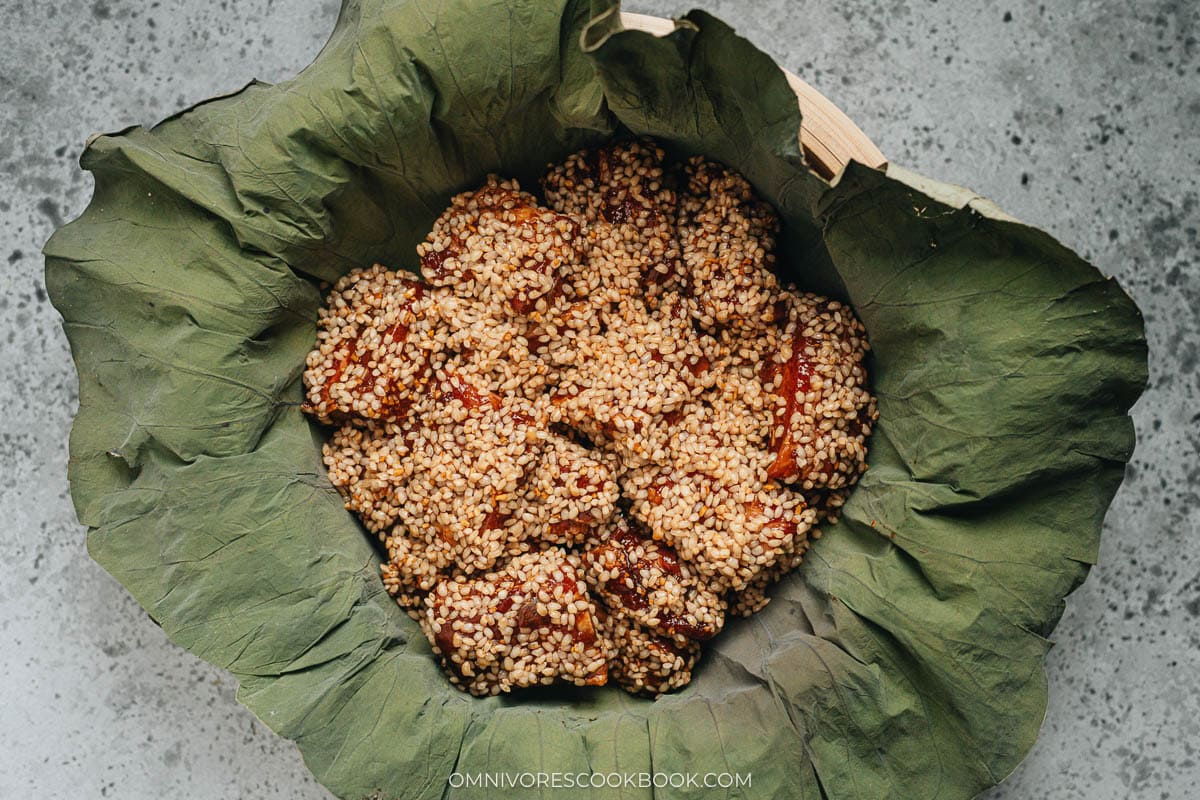
9. Steam: Cook over medium-high heat until steam starts to come out of the steamer. Reduce to medium heat and steam for 1 hour, or until the ribs are cooked through.
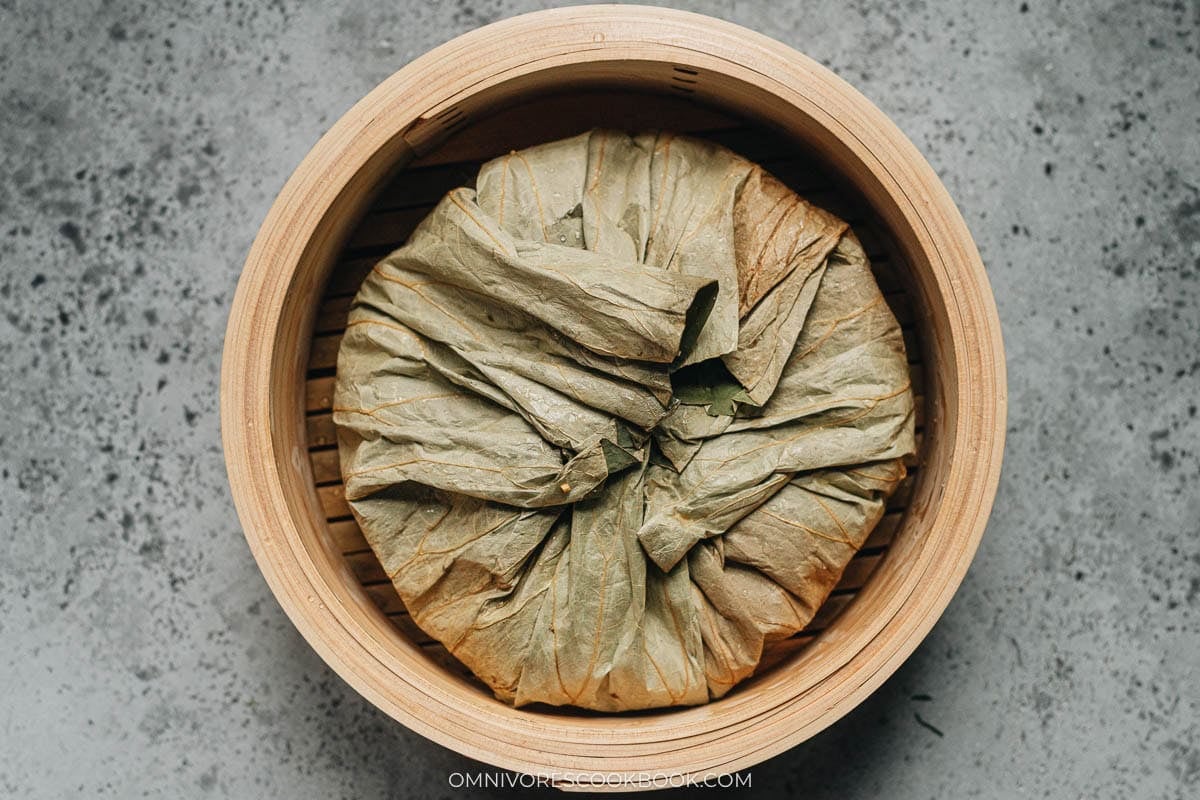
Quick note: Check the steamer now and then so it does not run dry, adding more water if needed.
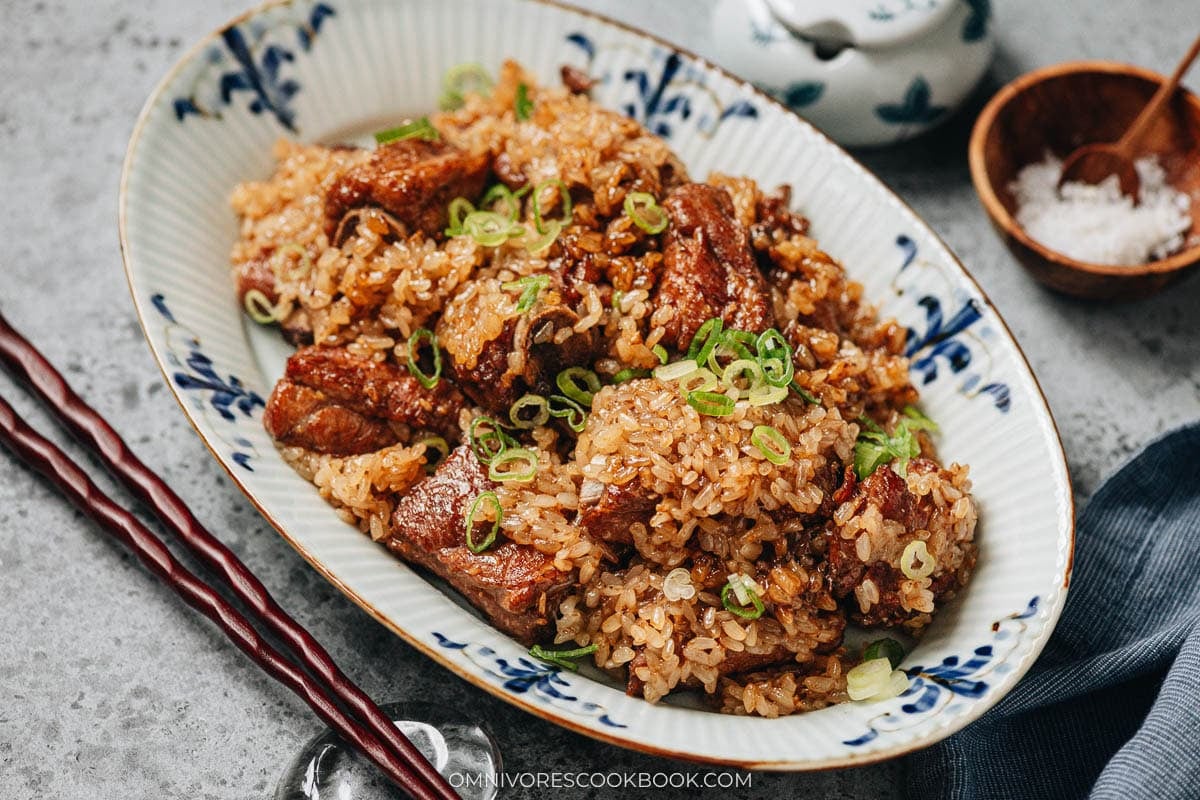
10. Garnish and serve: Once steamed, scatter the sliced scallions over the top and serve hot as a main dish.
My Cooking Tips
Match the soak time to your rice: Long-grain glutinous rice, usually sold by Thai brands, needs 4 to 5 hours of soaking, while short-grain glutinous or mochi rice is ready in 2 to 3 hours.
Do not skip the cold water soak on the ribs: Soaking the ribs in cold water is a traditional Chinese step that pulls out blood and gives the cooked meat a cleaner taste. The dish is still good without it, but I make time for the soak whenever I can.
Drain the rice hard before it meets the sauce: Once soaked, glutinous rice needs very little extra liquid to cook. I let the soaked rice sit in a strainer until it stops dripping before stirring in the reserved sauce. This helps the rice absorb the seasonings and become flavorful without turning soggy.
Keep the steamer topped up: A dry steamer over a 1 hour cook is the fastest way to scorch the bottom, so I peek in now and then and add hot water as the level drops.
Steam on the lining, not a plate, when you can: Steam moves around the food more freely on a lotus leaf or parchment than it does on a plate. If I do use a plate, I plan for a longer cook because the steam cannot circulate as well.
Serving Suggestions
Sticky rice ribs are rich and filling on their own, so I bring the whole steamer to the table to serve as a main dish. Everyone spoon rice into their bowl and pull ribs straight from it. My son goes for the softest, most rice-coated pieces. On a quiet weekend this is our meal, served with simple sides such as smashed cucumber salad.
When I set a larger table, I keep the ribs as the centerpiece and add lighter dishes around them to balance the richness. A plate of bok choy with oyster sauce or Chinese broccoli with oyster sauce brings a green, crisp note. If I want a second protein dish, char siu chicken or shrimp with black bean sauce are great options. A quick soup such as egg drop soup roundup the table.
Frequently Ask Questions
Can I use regular rice instead of glutinous rice?
No, glutinous rice is what gives this dish its chewy, sticky texture, and regular white rice behaves differently once soaked and steamed. If I use plain rice, the grains stay separate and dry instead of clinging to the ribs.
What type of pork ribs work best?
I use short-cut ribs, cut into short single riblets, because they coat easily with rice and pack into the steamer. Baby back ribs cut crosswise into 2 inch sections work well too, and longer single ribs are fine if the short cut is not available.
Do I need a lotus leaf?
No, a lotus leaf adds fragrance and a nice presentation, but it is optional. Parchment paper lines the steamer just as well, so I use whichever I have.
Can I steam the ribs on a plate instead of the steamer basket?
Yes, but the cook time may need to go up because steam does not move around the food as freely on a plate. I check the ribs for doneness and give them extra time if the plate slowed things down.
How do I store this?
This dish reheats well, so I keep it in the fridge for 3 to 4 days or in the freezer for up to 2 months. I thaw frozen ribs and reheat them in a steamer, which brings back the best texture without drying the meat or the rice.
Want to Save This Recipe?
Enter your email below & we’ll send it to your inbox. Plus get great new recipes from us every week!
Steamed Ribs with Sticky Rice (糯米蒸排骨)
Ingredients
- 1.5 lbs pork ribs , cut into 2” long single riblets (*Footnote 1)
- 2 tablespoons Shaoxing wine
- 2 tablespoons oyster sauce
- 2 tablespoons light soy sauce
- 2 teaspoons dark soy sauce
- 2 teaspoons sugar
- 1 teaspoon kosher salt
- 1/2 teaspoon white pepper
- 1 1/2 tablespoons minced ginger
- 2 cloves garlic , minced
- 1 cup glutinous rice
- 1 piece dried lotus leaf (optional)
- 2 scallions , sliced
Instructions
- Soak the ribs: Add the pork ribs to a large bowl and add enough cold water to cover. Soak for 30 minutes, then drain thoroughly and pat dry. Transfer the ribs to a clean bowl. (*Footnote 2)
- Marinate the ribs: Mix the Shaoxing wine, oyster sauce, light soy sauce, dark soy sauce, sugar, salt, white pepper, ginger, and garlic in a small bowl. Stir well. Reserve 4 tablespoons of the sauce for the rice, then pour the rest over the pork ribs. Mix thoroughly with your hands. Cover and marinate in the refrigerator for at least 2 hours, preferably overnight.
- Soak the rice: Add the glutinous rice to a large bowl and add enough tap water to cover. Rinse the rice by stirring it in a circular motion, drain, and repeat 2 more times. Cover with cold water and soak for 2 to 3 hours. (*Footnote 3)
- Soak the lotus leaf: If using the lotus leaf, soak it in water for 2 hours, or until ready to use.
- Mix the rice with sauce: Once the glutinous rice has finished soaking, drain it very thoroughly and transfer it to a large bowl. Add the reserved sauce and mix well.
- Prepare the steamer: Line your steamer with the soaked lotus leaf (or parchment paper). Bring a large pot of water to a boil.
- Mix the ribs with rice: Lift the ribs from the marinade, letting the excess drip off, and discard the remaining marinade. Transfer the ribs to the bowl of glutinous rice. Mix thoroughly so the rice coats the ribs, then transfer everything to the lined steamer. If using a lotus leaf, fold the leaf over the rice to cover it.
- Steam: Cook over medium-high heat until steam starts to come out of the steamer. Reduce to medium heat and steam for 1 hour, or until the ribs are cooked through. Check the steamer occasionally to make sure it does not run dry, adding more water if needed.
- Serve: Garnish with the scallions and serve hot as a main dish.
Notes
- If you have access to a Chinese or large Asian market, you can often buy ribs already cut into short pieces. Alternatively, you can buy a rack of baby back ribs at a grocery store and ask the butcher to cut the rack crosswise into 2” sections, then separate them into individual riblets at home. The shorter riblets are easier to arrange in the steamer, but you can use longer ribs if the short-cut type is not available.
- Soaking pork ribs in cold water is a traditional Chinese cooking method used to draw out blood and impurities, giving the cooked ribs a cleaner flavor. You can skip this step and the dish will still taste good, but I highly recommend it if you have the time.
- The soaking time depends on the type of glutinous rice you use. If using long-grain glutinous rice (usually sold by Thai brands), soak it for 4 to 5 hours. If using short-grain glutinous rice, or mochi rice, 2 to 3 hours of soaking will be plenty.
Nutrition

Did you make this recipe?
I’d love to hear how it turned out for you! Please take a moment to leave a 5-star rating ⭐️ and share your thoughts in the comments further down the page. It really helps others discover the recipe too.
Karen
Made last night – tasty, but…
Tried three diffrent markets, but could not find dried lotus leaf anywhere.
Even after soaking and draining really well, my rice (short grain sticky) didn’t absorb all the set-aside marinade;
the rice didn’t stick to the ribs, even when I pressed it into the sides; and
the color of the finished dish didn’t look at all like either of the pictures on the website.
What went wrong? (I looks like you might have just put all the rice on top of the ribs in the steamer, rather than just steaming rice-coated ribs. Is that right?)
FWIW, even though it didn’t match expectations, I would make this again. The rice in particular, where it steamed with the ribs, was spectacular….
Josnowbear
Yummy recipe! We made it this afternoon with the addition of fresh sliced shiitake mushrooms and lop cheong. Steaming took extra 30 minutes longer than the recipe.
Maggie Zhu
So happy to hear you like the recipe! The additional mushroom and lop cheong sound delicious. I think the steaming time also related to the type of sticky rice you use. I used a short grain type this time, which requires less soaking and cooking time. I’m glad that the recipe worked out for you and thanks for leaving a positive review 🙂
J
Would you have direction for instant pot for this dish?
Maggie Zhu
You can cook this dish in an Instant Pot. Add 1 cup of water to the Instant Pot and place the steaming rack inside. Set the bowl of ribs and sticky rice on the rack, then cook on High Pressure for 25 minutes. Let the pressure release naturally for 10 minutes before releasing the remaining pressure. The ribs should be tender and the sticky rice fully cooked.
JADE LEONG
can this same recipe be used for jasmine rice in rice cooker
Maggie Zhu
You can use jasmine rice, but the result will be quite different since jasmine rice won’t have the chewy, sticky texture of glutinous rice. If using a rice cooker, I would skip soaking the rice and cook it with the marinated ribs using your rice cooker’s regular white rice setting. Add the normal amount of water you use for jasmine rice, minus 4 tablespoons to account for the sauce added to the rice. I would also drain the ribs well after marinating before placing them over the rice, so the extra marinade doesn’t make the rice soggy.
Irene Chen
Can this be made in a rice cooker?
Maggie Zhu
I think it depends on your rice cooker. I steam this dish for 60 minutes, which gives the ribs and sticky rice the texture I like. If your rice cooker has a brown rice or longer-cooking setting, I would try that, since a regular white rice cycle may be too short. Since rice cookers vary quite a bit by model, I can’t guarantee the timing without testing it in your particular cooker.