
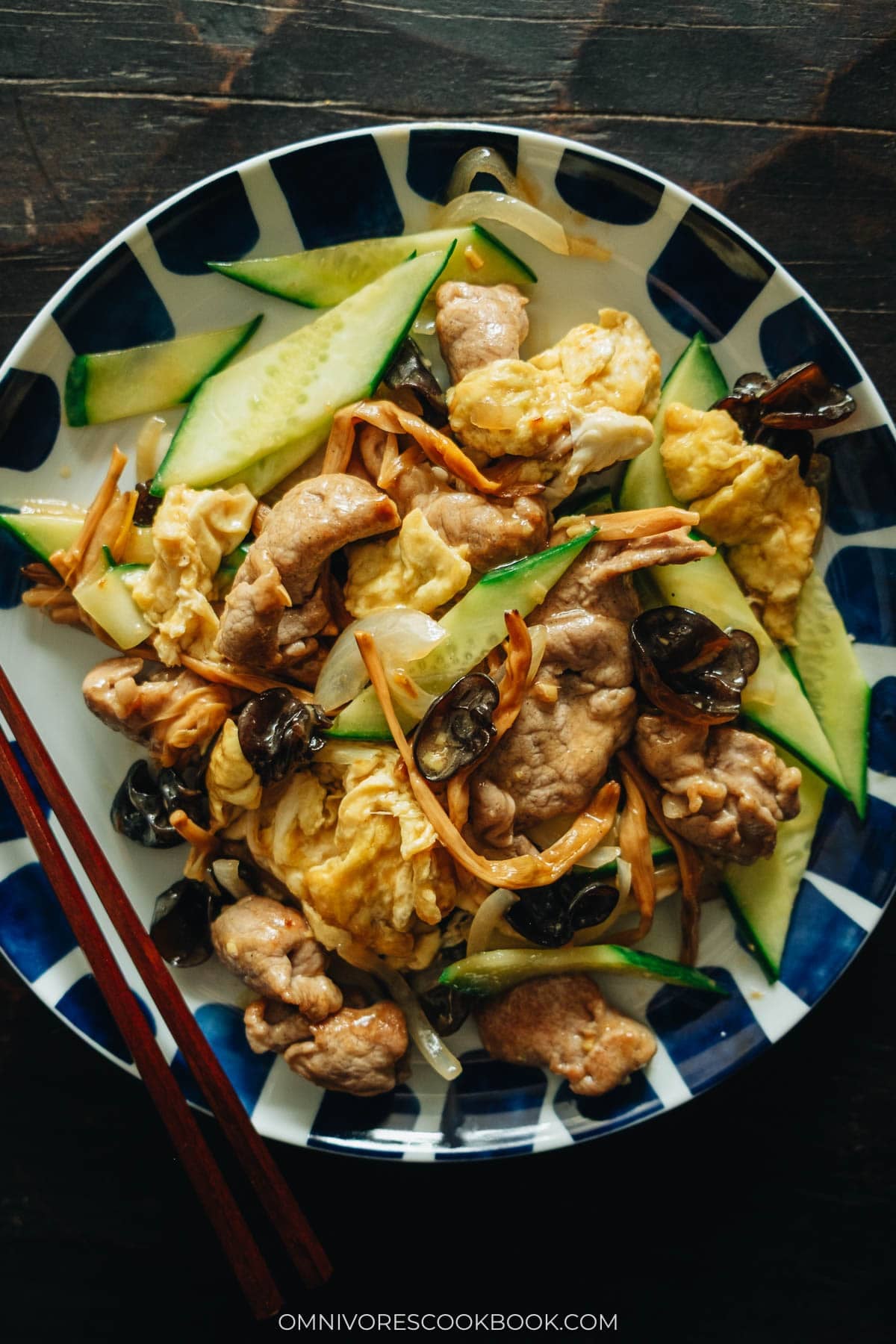
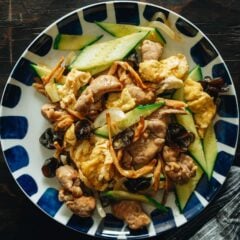
Today I want to introduce the moo shu pork I grew up eating in China, not the version wrapped in thin pancakes with hoisin sauce at Americanized Chinese restaurants. It is a homestyle northern dish my mom makes often, with Northern pantry staples and it uses very few spices. It’s a light, flavor and balanced dish we serve over steamed rice.
Growing up in Beijing, Moo Shu Pork was an everyday home-cooked dish that made a little meat go a long way. My mom often prepared it with pork, cucumber, eggs, and wood ear mushrooms, using just salt and chicken bouillon for seasoning. The combination of meat, eggs, and vegetables made it a filling and affordable meal for the whole family.
My version also includes dried lily flowers, a common ingredient in Beijing-style Moo Shu Pork. They add a subtle earthy flavor and a pleasant chewy texture that makes the dish even more interesting. I love how a handful of simple ingredients can create such a flavorful meal without relying on heavy sauces or complicated seasonings.
I rehydrate the mushrooms and lily flowers first, marinate the thin pork with cornstarch so it stays tender, then move fast through a hot wok: pork, then egg, then aromatics and the sauce, with cucumber going in at the end for crunch. The whole stir fry takes 5 minutes once the wok is hot.
Ingredients
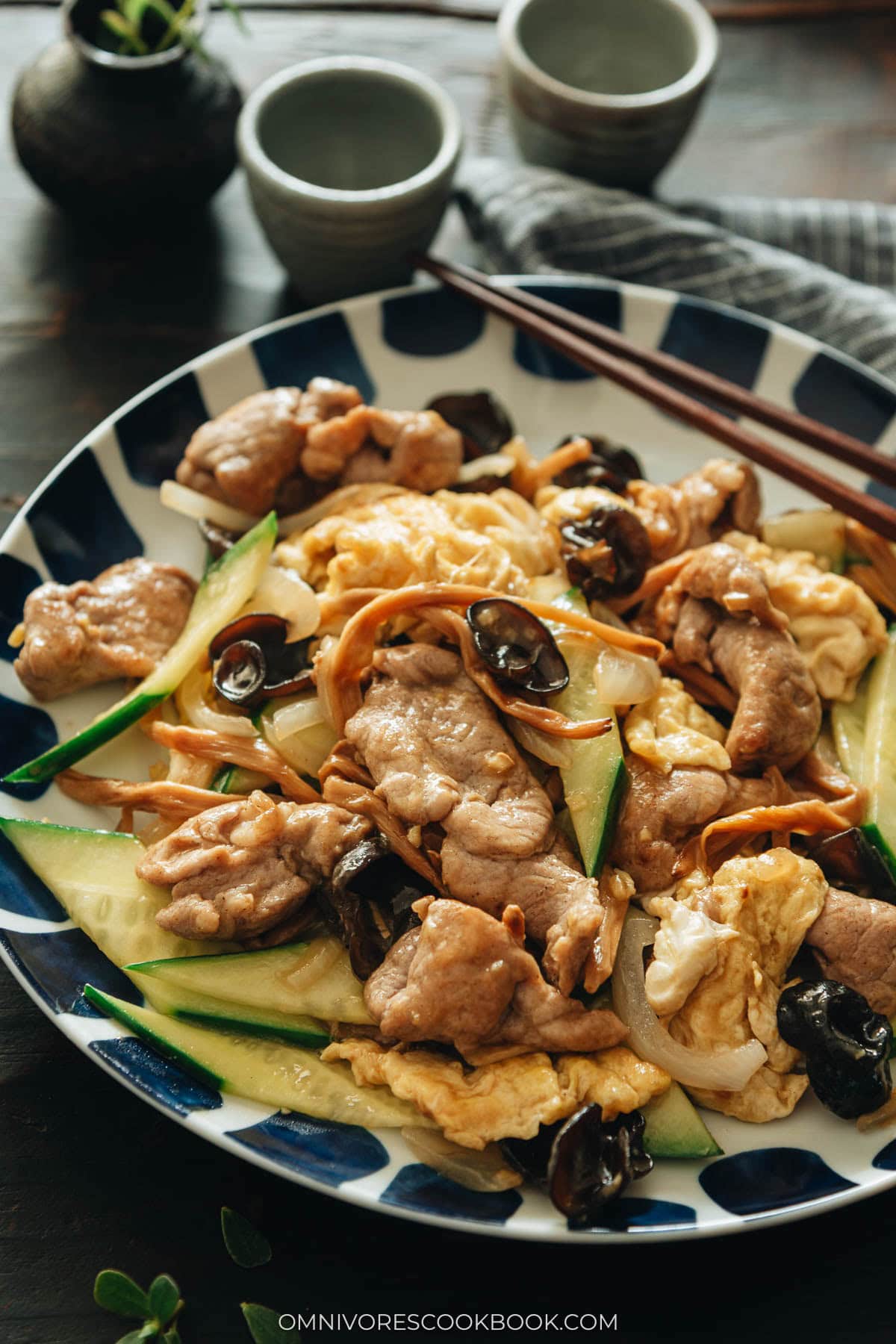
The thing that surprises people about this list is how little pork it takes. A quarter of a tenderloin feeds 2 people once the eggs and dried vegetables fill it out, so most of what you buy sits in the pantry, not the meat counter. Here is what I use:
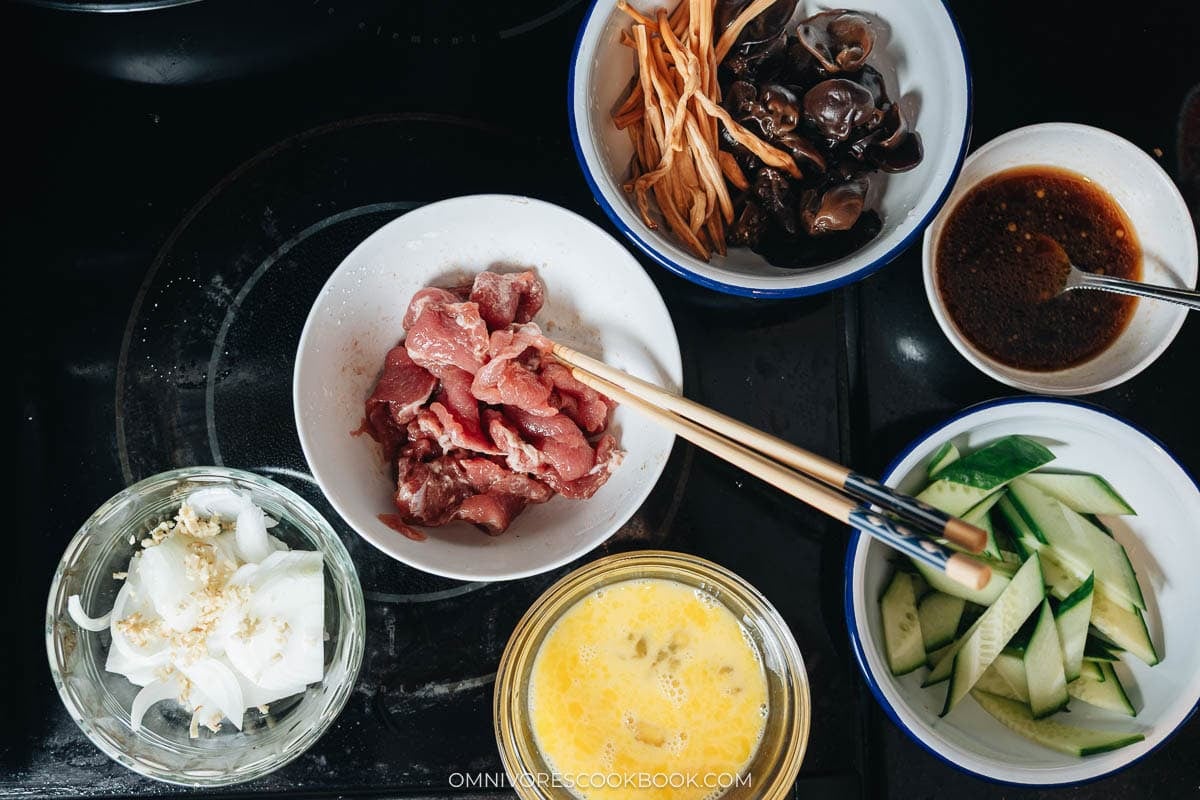
For rehydrating: I start with dried wood ear mushrooms and dried lily flowers, soaked in hot water until tender. The wood ear gives the dish its crunch and the lily flowers add an earthy note that makes a plain stir fry more interesting. If you cannot find them, I recommend checking my ingredient substitution guide for what to reach for instead.
For the pork: I use pork tenderloin because it cooks up tender and juicy, sliced against the grain as thinly as I can manage. I marinate it with Shaoxing wine, salt, white pepper, and cornstarch, which keeps the thin slices soft through the high heat.
For the sauce: I stir together chicken stock, light soy sauce, Chinkiang vinegar, sesame oil, and a little cornstarch to thicken.
For the stir fry: I cook everything in peanut oil, with beaten eggs, sliced white onion or green onion, minced ginger, and an English cucumber cut into diamond shapes. The cucumber goes in last and stays crisp.
Why use English cucumber: Cooking cucumber might sound unusual if you’re used to eating it raw, but it’s a common ingredient in Chinese stir-fries. Cucumber adds a refreshing flavor and a crisp, juicy texture, and it cooks in just a minute or two. I highly recommend using English cucumber for this recipe because it has fewer seeds and a firmer, less watery center than regular cucumbers. It holds its shape better during stir-frying and stays pleasantly crisp instead of turning soft and watery.
How to Make
1. Soak the dried ingredients: Put the wood ear mushrooms in one small bowl and the lily flowers in another, then cover both with warm water. Soak for 20 to 30 minutes, until tender.
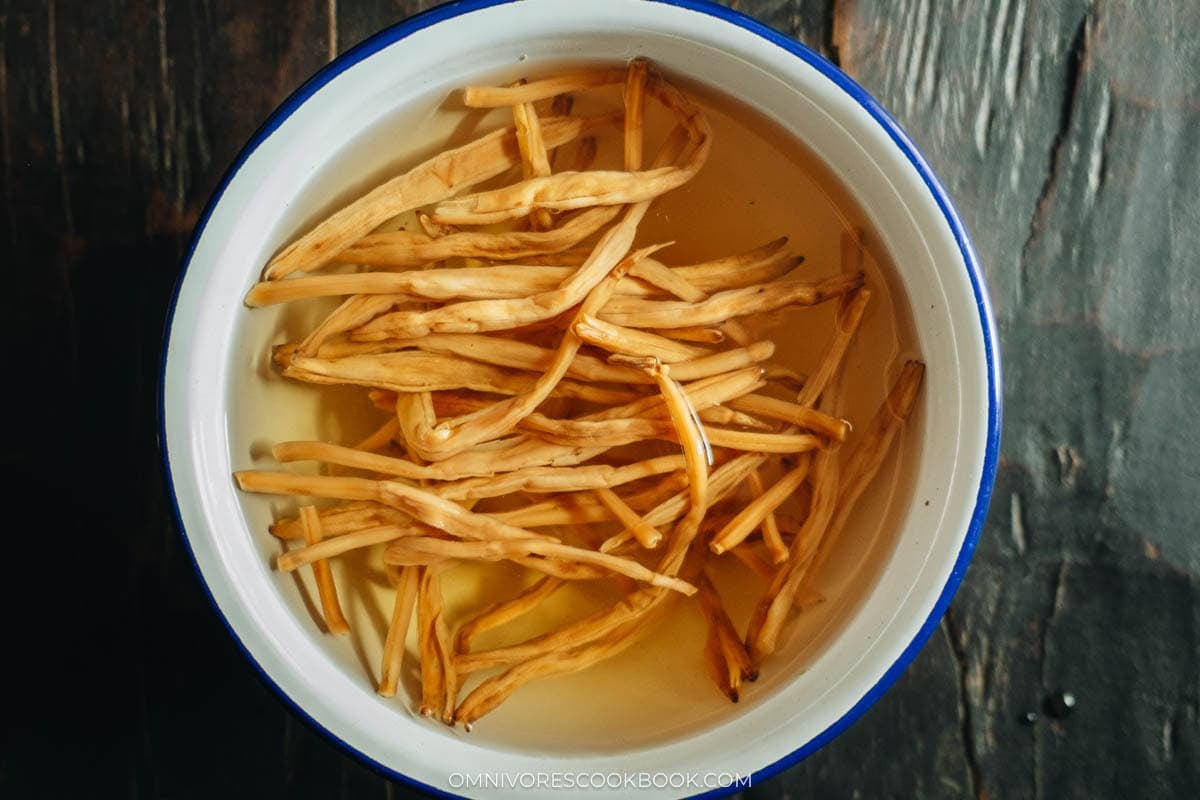
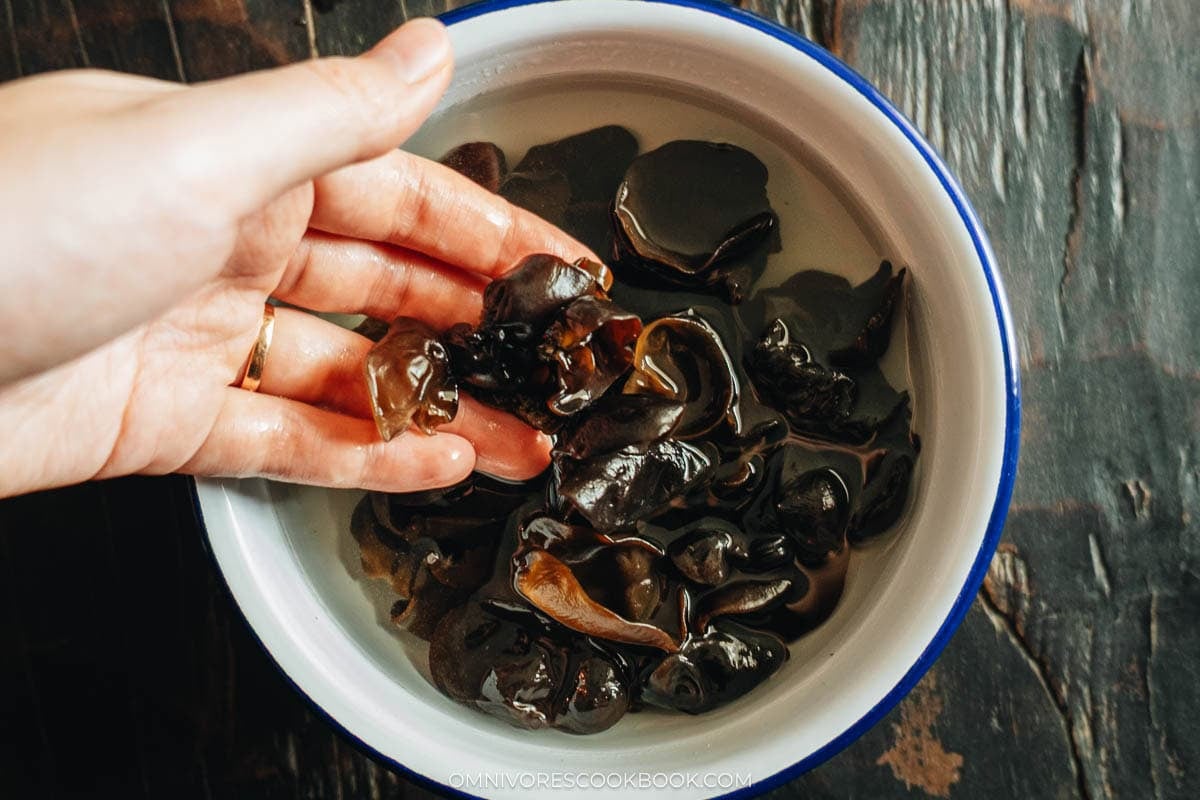
2. Clean and trim them: Rub the rehydrated mushrooms and flowers with your hands and rinse to remove any grit. Trim off the tough ends and drain. It is fine if they stay a little wet.
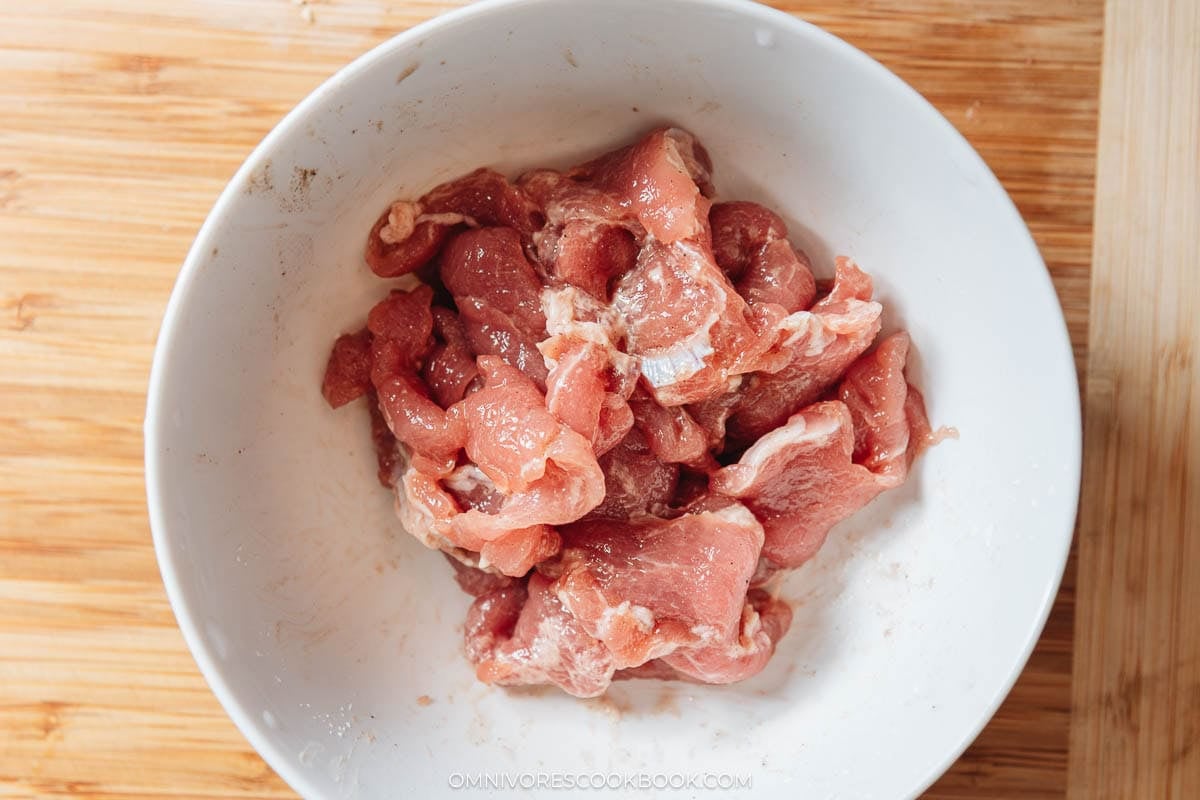
3. Slice and marinate pork: Cut the pork against the grain into bite-sized pieces, as thinly as possible. Thin slices cook in seconds and stay tender. In a small bowl, mix the pork with Shaoxing wine, salt, and white pepper, using your hand so the seasoning coats the meat without tearing the slices. Add the cornstarch and keep mixing until it forms a thin paste on the pork. Marinate for 10 to 15 minutes.
4. Mix the sauce: In another bowl, stir together the chicken stock, light soy sauce, Chinkiang vinegar, salt if using, sesame oil, and cornstarch. Set it aside.
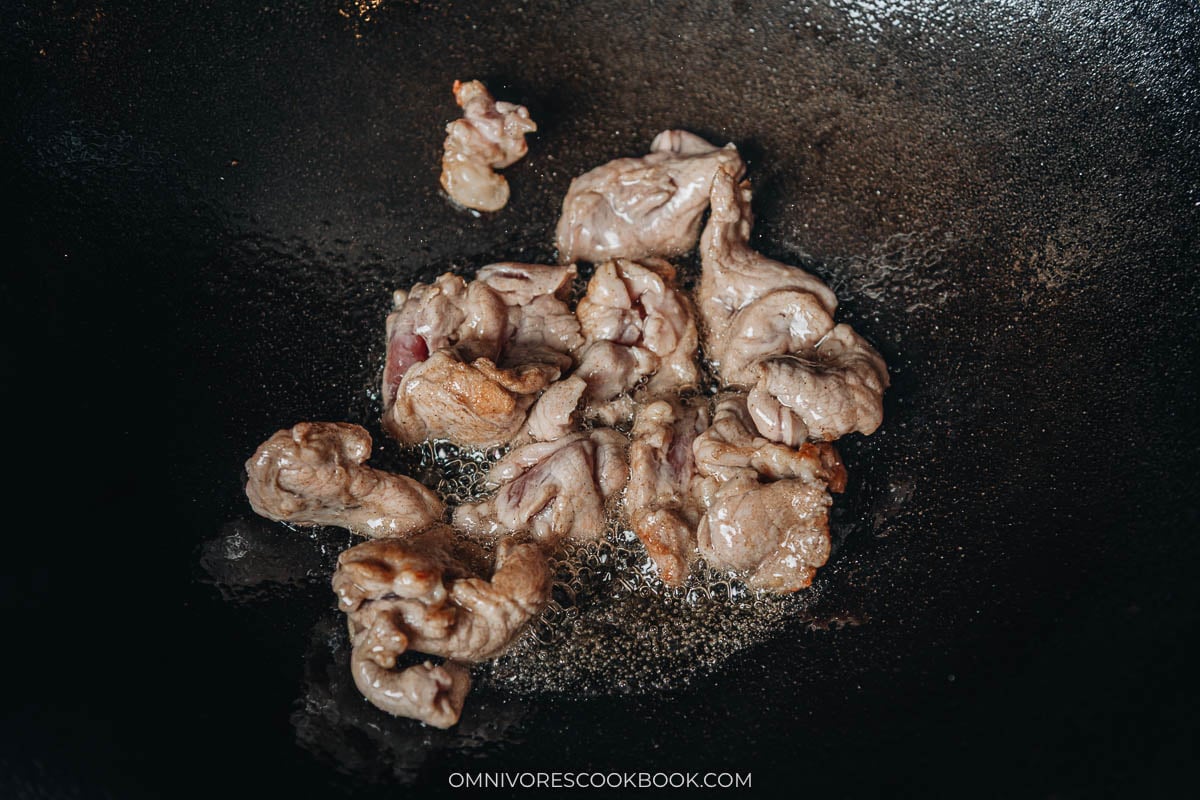
5. Sear the pork: Heat a wok over high heat until hot. Add 2 tablespoons oil and swirl to coat. Once the oil starts to smoke, spread the pork into a single layer. Sear without moving for 20 to 30 seconds, until the bottom turns golden. Flip and cook briefly until the surface turns white but the inside is still pink. Transfer to a plate, leaving about 1 tablespoon oil in the wok. Add more oil if needed.
6. Cook the eggs: Add the beaten egg and let the bottom set for a few seconds. Lightly scramble the eggs and transfer them to the plate with the pork.
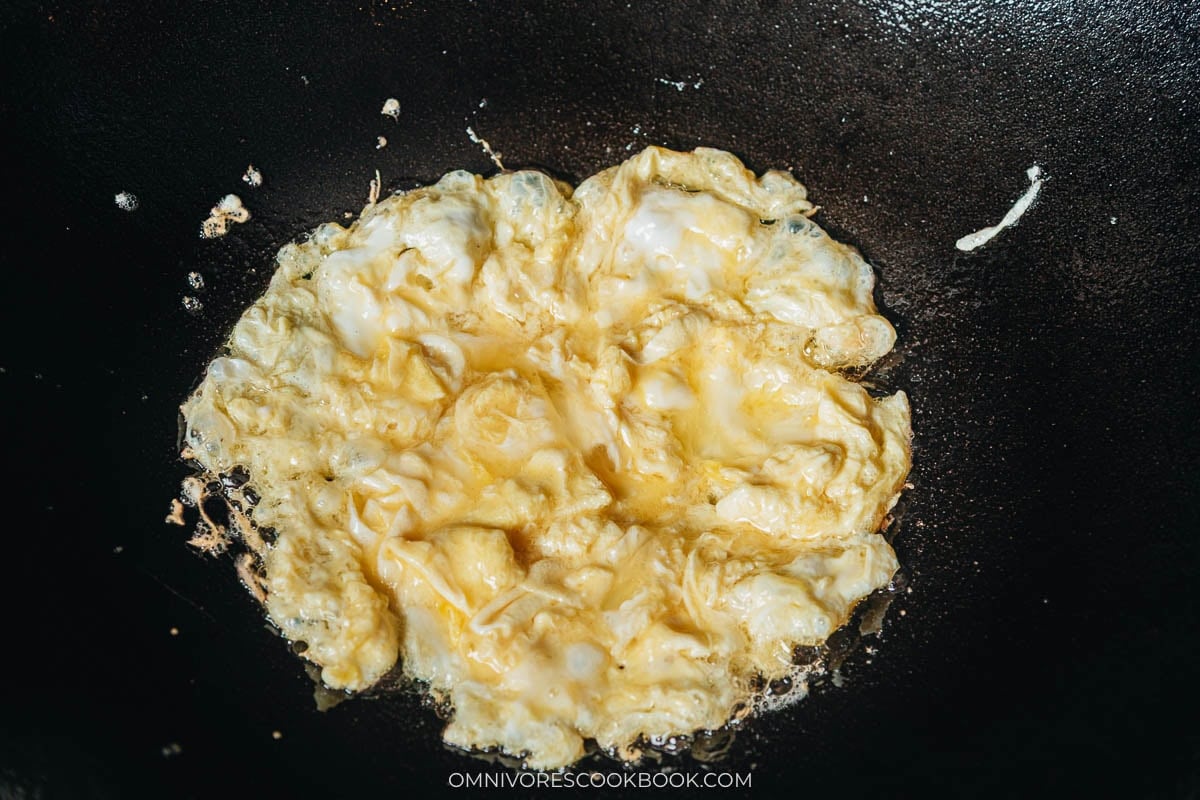
9. Cook the aromatics and vegetables: Add more oil, then the onion and ginger, and stir until fragrant. Add the rehydrated wood ear mushrooms and lily flowers and stir to coat with the oil. Swirl in the sauce and cook until it thickens.
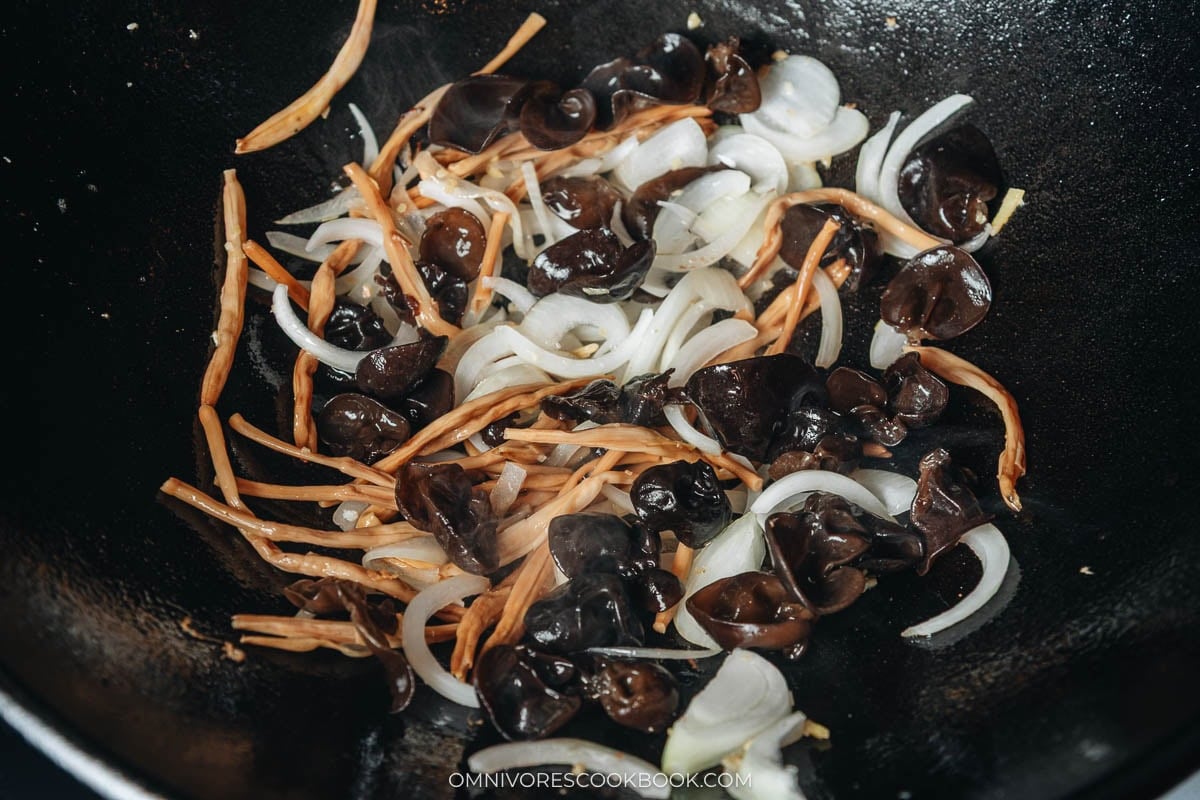
10. Bring it together: Return the pork, egg, and cucumber to the wok and stir everything together. Drop to low heat, taste a piece of pork with a piece of vegetable, and add a pinch more salt if it needs it.
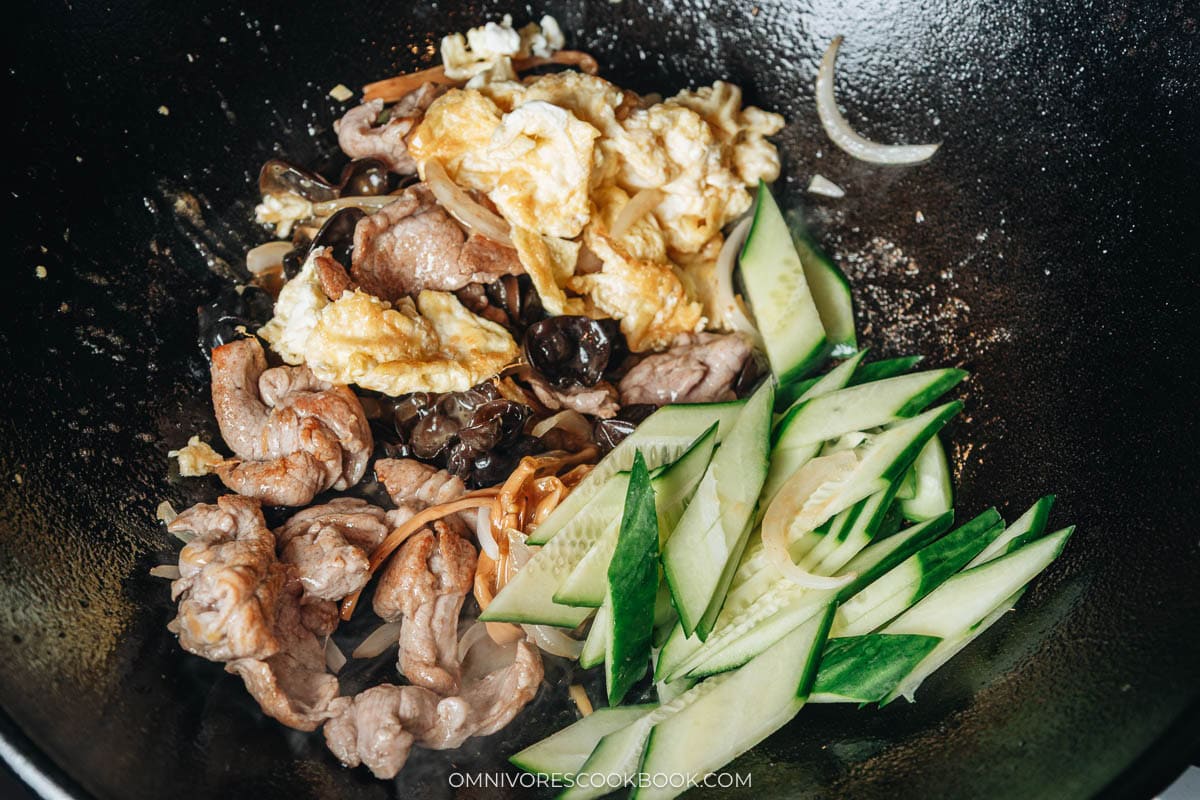
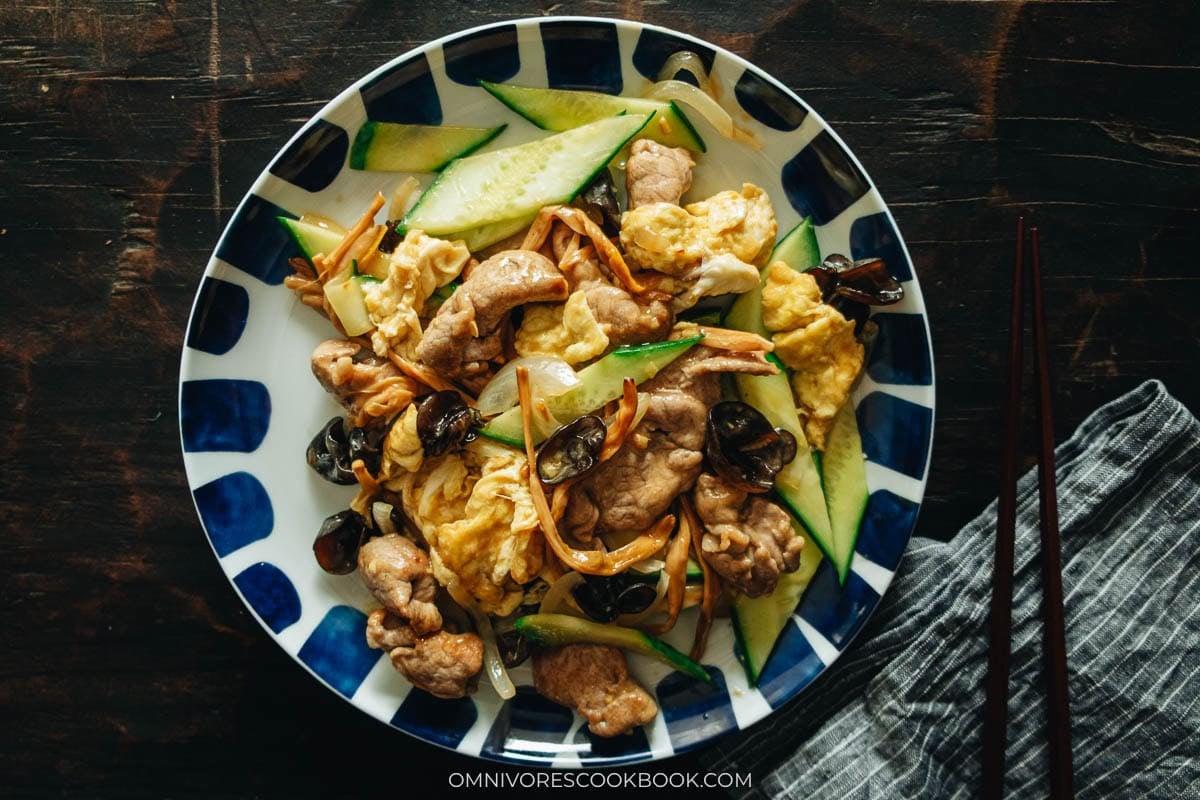
11. Serve: Plate it up and serve right away over steamed rice.
My Cooking Tips
Use a large bowl for soaking: Some wood ear mushrooms expand more than ten times their dried size, and others barely grow. I use a big one with more water than looks necessary, so everything stays under water once it rehydrates
Mix the pork with your hand, not a utensil: A fork or chopsticks tear the thin slices apart and break the cornstarch coating. My hand spreads the marinade over every piece while keeping the slices whole, which matters when the meat is sliced this thin.
Get the wok fully hot before the pork goes in: A hot wok helps the pork sear quickly without releasing too much moisture, keeping the meat tender and juicy. I like to wait until the oil just starts to smoke before adding the pork, then spread it into a single layer for even cooking.
Leave the pork a little pink when you pull it out: It finishes cooking when it goes back in with the sauce at the end. If I cook it all the way through in the first sear, it dries out by the time the dish is done.
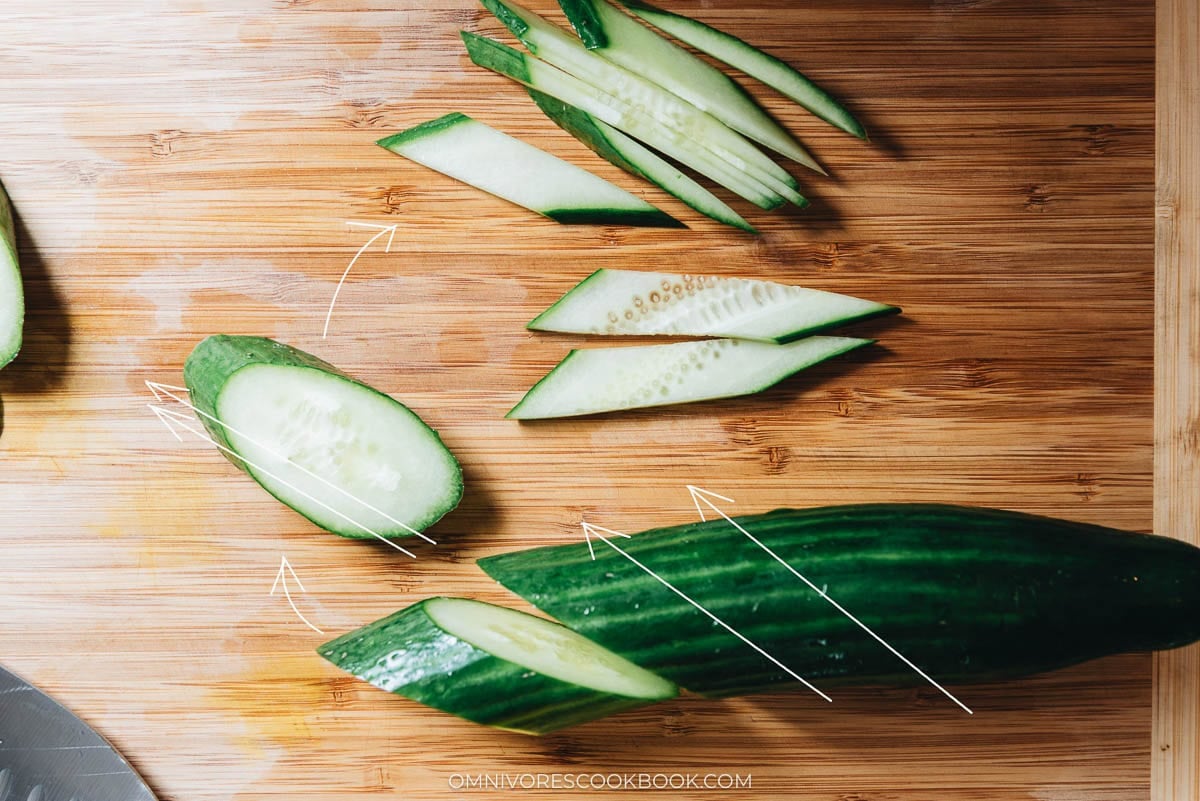
Cut the cucumber on a bias into diamonds: This is a common cutting technique in Chinese cooking that gives the cucumber an attractive presentation. I like to cut the cucumber into thick pieces on a bias, then slice them into diamonds. Keeping the pieces slightly thick also helps them retain their crisp texture during stir-frying.
How to Serve
I love serving Moo Shu Pork over hot steamed rice for a satisfying lunch or light dinner. The tender pork, fluffy eggs, and crisp vegetables make it a well-rounded meal, while the light, savory sauce pairs perfectly with the rice. It’s a simple, comforting dish that doesn’t require much else to make a delicious meal.
For a big family-style dinner, I like to serve Moo Shu Pork with steamed rice, a hearty stew, and a light soup. My Mom’s Best Braised Chicken with Mushrooms is a comforting dish with a rich, savory sauce that pairs nicely with the lightly seasoned stir fry. I also love adding a bowl of Tomato Egg Drop Soup for a refreshing touch of acidity that balances the richer dishes.
Frequently Ask Questions
What is the difference between this and the moo shu pork at American restaurants?
American Chinese Moo Shu Pork typically features shredded pork, cabbage, and other vegetables stir-fried in a savory brown sauce, served with thin pancakes and hoisin sauce. The traditional Northern Chinese version is quite different. It combines tender pork, eggs, wood ear mushrooms, and often dried lily flowers in a light, savory sauce that lets the ingredients shine. It’s usually served with rice rather than pancakes. This recipe is based on the homestyle Beijing version I grew up eating.
Can I make it without wood ear mushrooms and lily flowers?
Wood ear mushrooms give Moo Shu Pork its signature crunchy texture, while dried lily flowers add a subtle earthy flavor. I highly recommend keeping the wood ear mushrooms if possible, but you can skip the lily flowers and still make a delicious dish. If you can’t find wood ear mushrooms, sliced shiitake mushrooms are a good alternative, although they have a softer, meatier texture. You can also omit both ingredients in a pinch, but the dish will lose some of its characteristic flavor and texture.
Why did my pork come out tough?
Pork tenderloin is very lean, so it can become tough and dry when overcooked. Make sure to slice the pork thinly against the grain for a tender texture. It’s also important to heat the wok properly before adding the meat so it sears quickly. Remove the pork while it’s still slightly undercooked, since it will finish cooking when you add it back to the stir fry.
Can I use chicken or beef instead of pork?
Yes! Although pork is traditionally used in Moo Shu Pork, you can substitute thinly sliced chicken breast, chicken thigh, or beef. Slice the meat against the grain and follow the same marinating process. Adjust the cooking time depending on the protein, and avoid overcooking to keep the meat tender.
Want to Save This Recipe?
Enter your email below & we’ll send it to your inbox. Plus get great new recipes from us every week!
Real-Deal Moo Shu Pork (木犀肉)
Ingredients
Rehydrate
- A small pinch of dried wood ear mushrooms black fungus (yields 1 cup after rehydration)
- A small handful of dried lily flowers (yields 1/2 cup after rehydration) (Optional)
Marinade
- 4.5 ounces pork tenderloin (1/4 of a whole tenderloin)
- 2 teaspoons Shaoxing wine
- 1/4 teaspoon sea salt
- 1/8 teaspoon white pepper powder
- 1/2 teaspoon cornstarch
Sauce
- 1/4 cup chicken stock
- 1 tablespoon light soy sauce
- 1/2 teaspoon Chinkiang vinegar
- 1/2 teaspoon sesame oil
- 1/4 teaspoon sea salt (Optional) (*footnote 1)
- 1 teaspoon cornstarch
Stir fry
- 3 tablespoons peanut oil (or vegetable oil)
- 2 eggs , beaten
- 2 green onions (or 1/4 yellow onion) , sliced
- 1/2 teaspoon minced ginger
- 1/2 English cucumber , sliced into diamond shape
Instructions
- Add dried wood ear mushrooms into a small bowl and warm water to cover. Add dried lily flowers into another small bowl and warm water to cover. Rehydrate for 20 to 30 minutes, or until ingredients turn tender. Check after 10 minutes to make sure the water still covers all the ingredients. Gently rub with hands and rinse to remove the dirt. Remove tough ends of the mushrooms and flowers. Drain and place in a small bowl. It is OK if the ingredients are still a bit wet.
- Slice pork against the grain into bite-sized pieces, as thinly as possible.
- In a small bowl, combine pork, Shaoxing wine, salt, and white pepper. Gently mix by hand so that the seasonings coat the meat evenly without tearing the meat apart. Add cornstarch. Continue to mix with hand until the it forms a thin paste that evenly coats the pork. Marinate for 10 to 15 minutes.
- In another small bowl, combine chicken stock, light soy sauce, Chinkiang vinegar, salt (if using), sesame oil, and cornstarch. Mix well and set aside.
- Heat a wok over high heat until hot. Add 2 tablespoons oil and swirl the wok so that the oil coats the bottom (*footnote 2). When the oil just starts to smoke, spread the pork in the oil. Cook without moving for 20 to 30 seconds, until the bottom side turns golden. Flip and cook until the surface just turns white but the inside is still pink. You don’t want to stir too much here, since it might break the pork pieces. Scoop the pork with a spatula and let the oil drip back into the wok. Transfer pork to a plate.
- You should still have about 1 tablespoon oil in the wok. If not, add more oil. Add the beaten eggs. Cook a few seconds to allow the bottom to set. Stir a few times until the eggs are just cooked. Transfer eggs to the same plate as the pork.
- Add the remaining 1 tablespoon of oil, the green onion (or onion) and ginger. Stir until the herbs become fragrant. Add rehydrated wood ear mushrooms and lily flowers. Stir to mix well with the oil. Swirl in the sauce. Cook until the sauce thickens.
- Return pork, egg, and cucumber to the wok. Stir to mix everything well. Turn to low heat. Carefully try a piece of pork with a piece of vegetable. Adjust seasoning by sprinkling a bit salt and stir well, if needed. Transfer to a serving plate. Serve hot over steamed rice.
Notes
- Include the salt if you’re serving the dish with rice. If you want to serve the dish by itself, skip the salt.
- Use a generous amount of oil at the beginning to help prevent the pork from sticking to the wok. The pork won’t absorb a lot of oil, so you might not need to add more oil (or only need to add a little oil) during the process later.
Nutrition

Did you make this recipe?
I’d love to hear how it turned out for you! Please take a moment to leave a 5-star rating ⭐️ and share your thoughts in the comments further down the page. It really helps others discover the recipe too.
Richard
Pork -receipe = 4.5 Oz
Video= 2.5 lbs
marilyn fisher
How does one produce a diamond shape from a cucumber???
Maggie Zhu
Slice the cucumber into thick chunks on a bias (45 degrees or so), then place cut down down and slice it again into diamond shape. It’s a little hard to describe. I have pictures showing the cutting in this post: https://omnivorescookbook.com/cucumber-and-egg-stir-fry/ (scroll down a little and you will find it under “how to cook”).